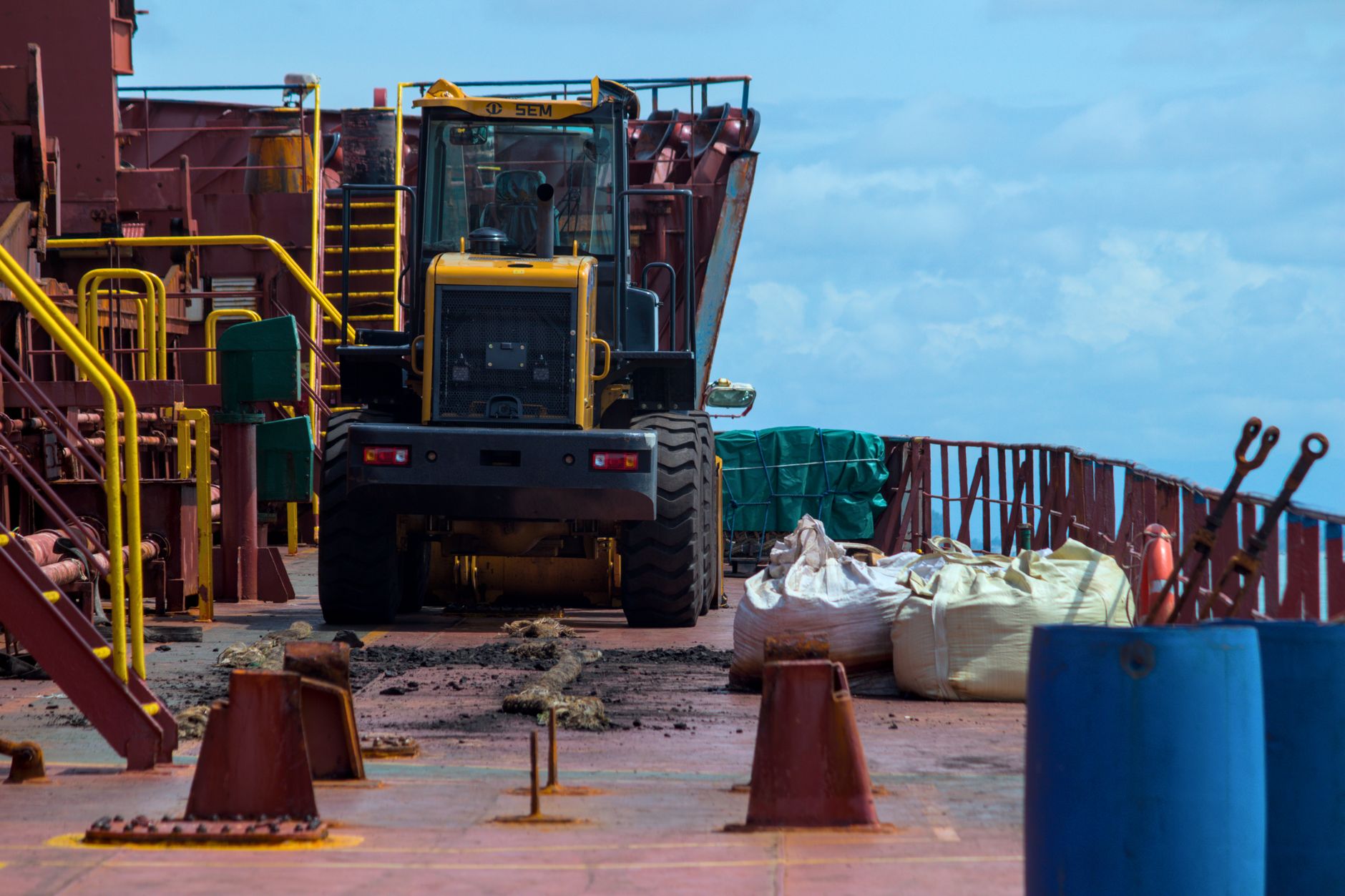
Why China's carmakers are starting their global push by building ships
Taking logistics into their own hands
China's auto exporters are no longer content to wait for foreign shipowners. As Chinese car exports have exploded, automakers like BYD (比亚迪) are moving into shipbuilding and ship ownership to take control of the sea leg of their supply chain. The move is already visible: the ro-ro (roll-on/roll-off) vessel "Pioneer 1" (开拓者1号) — loaded with 5,000 BYD cars — recently sailed for Europe, a symbolic end to the era of "renting ships" and the start of what it has been reported that industry participants call "self‑transport" for national car brands.
A bottleneck revealed by a boom
The strategic shift is driven by numbers. Chinese auto exports jumped from 1.08 million vehicles (108万) in 2020 to 5.22 million (522万) in 2023, and reportedly reached about 7.095 million (709.5万) in 2025, making China the world's top exporter by volume. Shipping capacity did not keep pace. According to VesselsValue and Clarkson Research, daily charter rates for a 6,500‑car ro‑ro rose from roughly $10,000 in August 2020 to $115,000 by November 2023 — an eleven‑fold increase. At peak, getting a car to Europe cost about $1,400 in sea freight alone, and the Financial Times has reported that Chinese cars have been held up at Antwerp and other ports for a week or more while waiting for capacity.
Why domestic shipbuilding matters
China is the world's largest shipbuilder, but not in the specialized business of long‑haul car carriers. In 2023 only about 700 professional car carriers existed globally, and Chinese owners controlled a sliver: roughly 39 ocean‑going car ships with about 115,000 car spaces — under 3% of global capacity. By contrast, Japanese, Korean and Norwegian owners long dominated the ro‑ro market, and the sector's heavy customization — ramps, dedicated terminals, vehicle marshalling — has cemented their advantage. Faced with recurring delays and high charter costs, automakers are responding: it has been reported that BYD invested about RMB 5 billion to commission eight ro‑ro ships, and that SAIC Motor (上汽集团), via Anji Logistics (安吉物流), has invested more than RMB 10 billion and now operates a fleet including the 7,600‑car LNG dual‑fuel "Anji Shencheng" (安吉申诚号).
Strategic implications and risks
What began as a pragmatic fix has broader strategic logic. Owning ships reduces dependence on foreign shipping lines and gives Chinese automakers control over timing, routes and costs — a hedge amid tightening trade geopolitics, port competition and the risk of supply‑chain disruption. But building and operating ro‑ros is capital‑intensive and slow (newships can take two to four years to deliver), and the global ro‑ro market remains concentrated. The result is a high‑stakes competition below the waterline: who controls the vessels and ports may shape the next chapter of China’s automotive globalization.