When It Comes to Food Diversity, Which City Dares to Compete with Mangshi for the Top Spot?
A crossroads of flavors
Mangshi (芒市) claims a rare culinary authority for a city of its size. Nestled in Yunnan’s western river valleys near the Myanmar border, it sits where the Chinese and Indian civilizational spheres meet — a geographic and cultural junction that has folded together rice agriculture, Southeast Asian spice routes and plateau-foraging traditions. The result is a cuisine that feels like a living map: hand‑held rice dishes said to descend from Southeast Asian and Indian hand‑grabs, citrusy Dai (傣族) sourness, hill‑tribe wild ingredients and Muslim halal fare rubbing shoulders on the same market stall.
History written on the plate
This fusion did not happen overnight. Centuries of migration, imperial administration and trade created Mangshi’s flavour profile. Qin and later dynastic pressures pushed Bai‑Yue peoples inland; Dai communities carried rice cultivation and a taste for acid and chili into the valley. It has been reported that contacts through the Burma corridor brought Indian-style hand‑grabs and spices; later Mongol and Yuan governance, including the appointment of officials like Sayyid Ajall (赛典赤·赡思丁), and the arrival of Hui (回民) communities introduced Central Asian and Islamic culinary threads. Even dishes with patriotic myth — such as the “great‑rescue” stir‑fried bǎikuài (饵块) associated with Ming loyalist legend — tell a story of political upheaval rewritten as food.
Ethnic palates and the ecology of taste
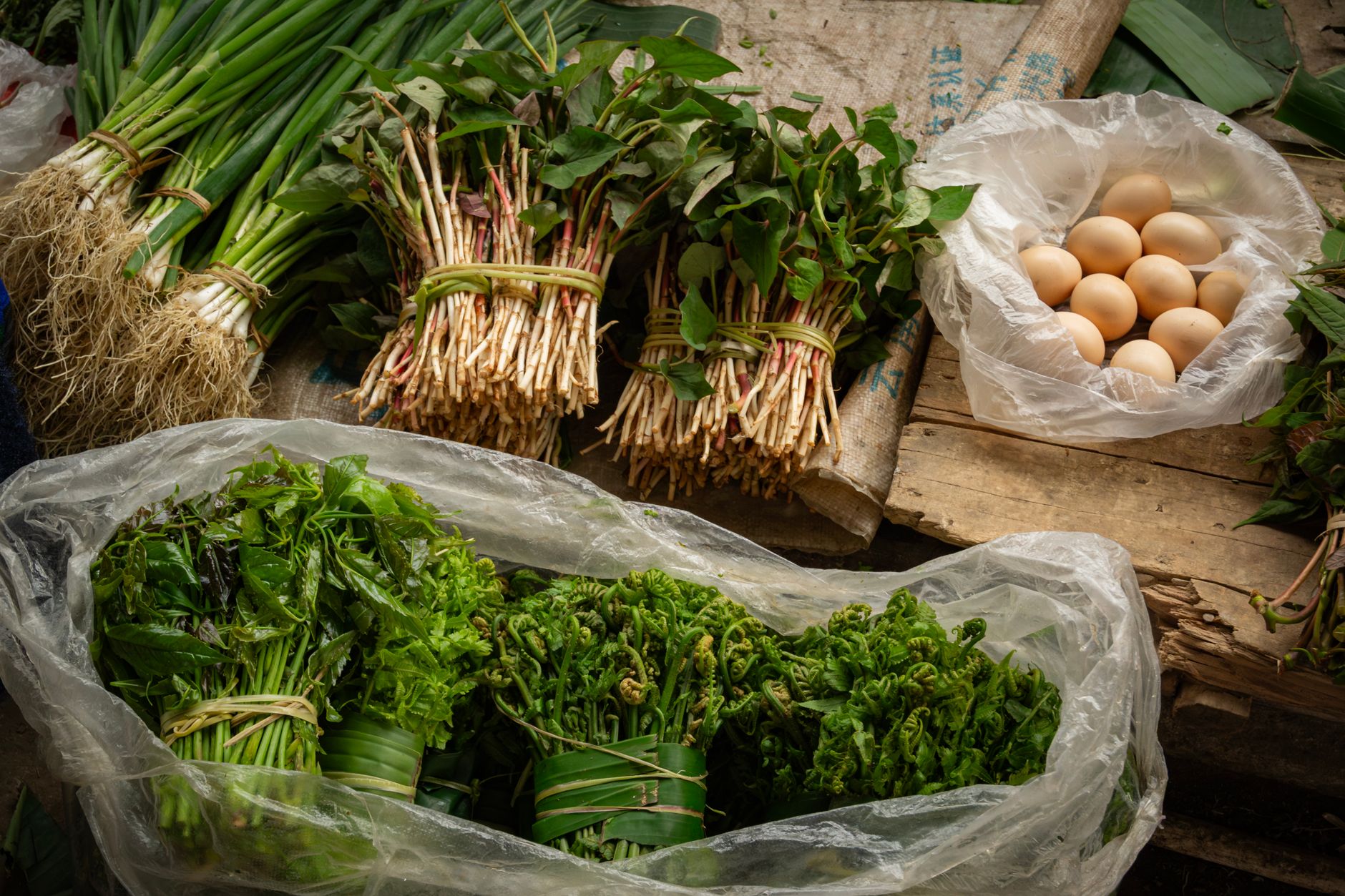
Mangshi’s markets read like an ethnographic exhibit. Dai lime and lemongrass mingle with Jingpo (景颇) smoked meats, De’ang (德昂) lexical traces persist in place names, and Muslim butchers preserve halal supply chains that were once part of broader Yuan‑era population movements. The valley’s wet, rice‑friendly ecology set a stable base for these layers: rice is everywhere, but the way it’s flavoured — turmeric, purple herb dyes, big coriander, tiny chilis — marks each community’s imprint on shared staples. Is it cuisine or archive? In Mangshi, the two are inseparable.
From frontier pantry to social‑media hotspot
Today Mangshi is also a “wanghong” (网红) food city, where short‑video virality drives tourist demand and new mashups appear daily. It has been reported that online traffic and cross‑border trade with Myanmar are reshaping menus and supply chains, even as state border and tourism policies influence who — and what — flows into the valley. The broader lesson is geopolitical: borderlands are not just lines on a map but taste reservoirs. So which city dares to compete? Few places in China capture centuries of migration, imperial strategy and transcontinental exchange on a single plate the way Mangshi does.