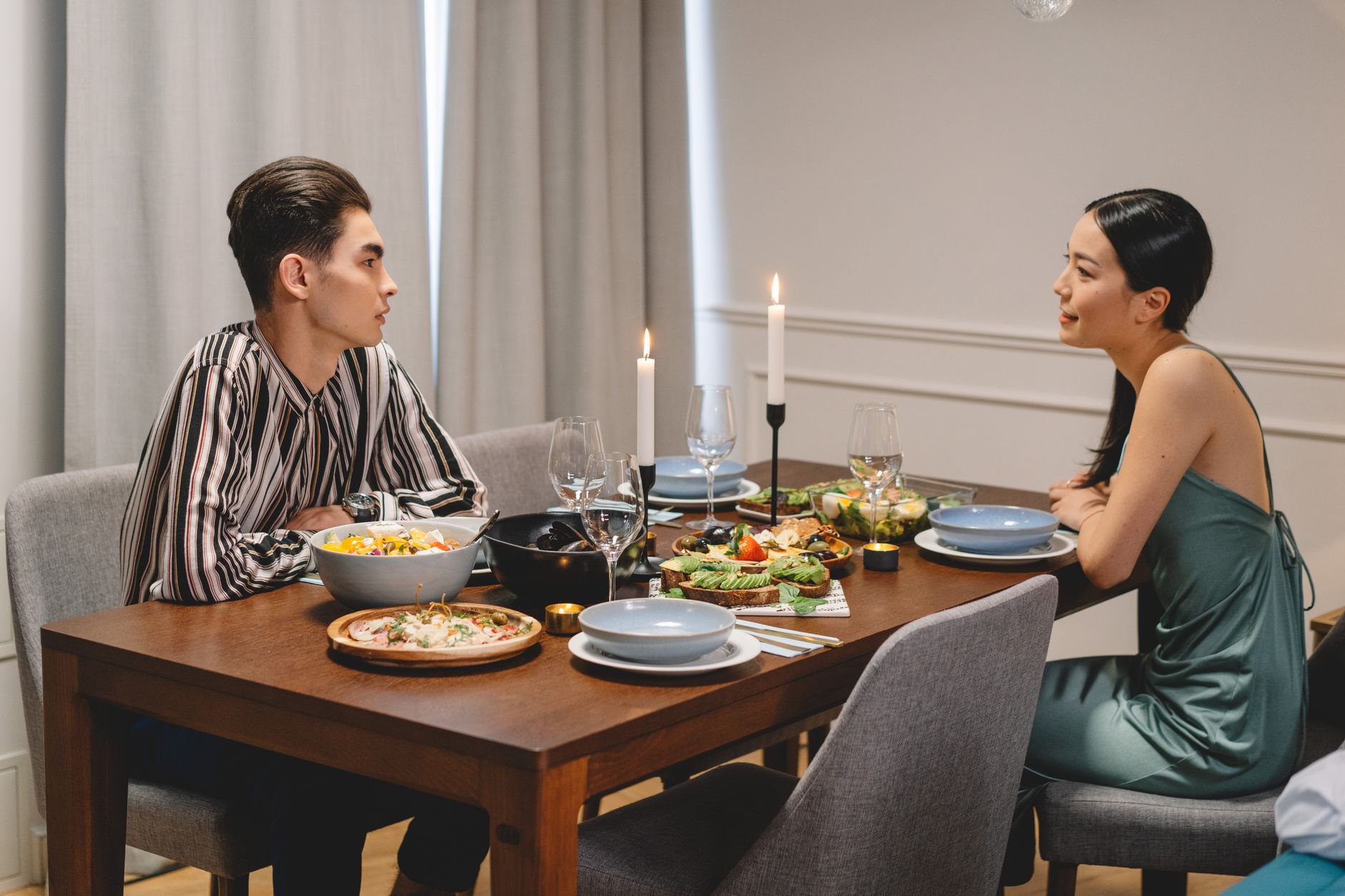
Don’t Underestimate Casual Conversations at the Dinner Table; They Are Quietly Healing You
The overlooked medicine on your plate
Huxiu (虎嗅) recently ran a piece arguing that the idle chatter that fills many Chinese dinner tables — the “饭桌废话” or small talk that isn’t trying to solve anything — is not mere filler but a form of social therapy. It has been reported that short, low‑stakes exchanges between friends or family create a felt sense of presence and safety: you don’t have to perform, confess or analyze. So why do we shrug it off as meaningless when, in fact, it scaffolds trust and everyday belonging?
Evolution, neuroscience and the evidence
Anthropologists and evolutionary psychologists have long described this as social grooming: Robin Dunbar (罗宾·邓巴) compares human small talk to primates’ mutual grooming, a behavior that cements group bonds. Bronisław Malinowski noted nearly a century ago that small talk’s primary function is to establish social connection rather than transmit useful semantic content. Recent empirical work supports the claim: a 2022 study found that even four minutes of small talk can measurably improve cooperation, and a Groningen/Canada study that logged nearly 1,000 conversations reported that meals produce more relaxed, agreeable exchanges — researchers speculate chewing and shared food may boost serotonin and the brain’s “relaxation” circuits. At the same time, psychologists warn about “disclosure‑reciprocity pressure”: deep confessions too early can create social strain that small talk helps avoid.
What this means for daily life
So what should readers do? Keep some table time low‑pressure. High‑frequency, low‑intensity contact — the “饭搭子” who shares casual dinners — often builds more resilient intimacy than sporadic, intense heart‑to‑hearts. It has been reported that popular social clips and influencers in China have encouraged lovers and long‑distance couples to exchange more “useless” chatter precisely because it regulates emotion and signals care. The takeaway is simple: don’t rush to fill every meeting with meaning. Sometimes the most therapeutic thing is a shared bite, a shared laugh, and a little harmless gossip.