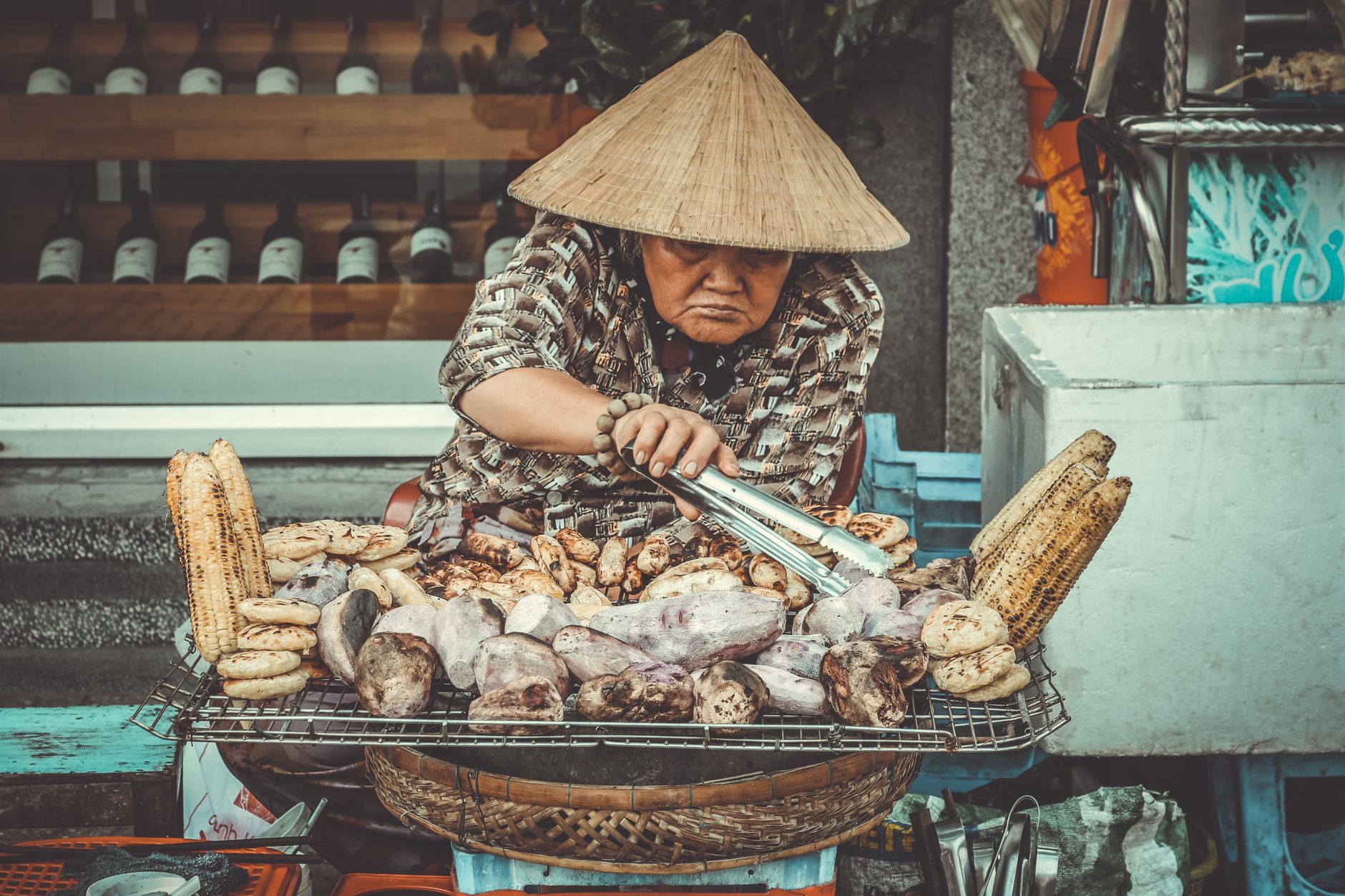
Why are roasted sweet potato stalls almost always outside Chinese hospitals?
A ubiquitous urban micro‑ecosystem
A feature in Huxiu explores a question many Chinese city‑dwellers take for granted: why does a smoking tricycle piled with roasted sweet potatoes seem to greet you at almost every hospital gate? It has been reported that the sight is widespread from Beijing to third‑tier towns, and that netizens joke about a nationwide “sweet‑potato army” occupying hospital entrances. The image is more than nostalgia; it points to a recurring, functional element of China’s urban landscape.
Physiology, emotion and the shape of hospital time
Why sweet potato? Partly physiological: roasted sweet potatoes are easy to digest, provide quick carbohydrates and warmth, and are gentler on patients than spicy or greasy street food—useful for people who have just given blood or finished a fasted exam. It has been reported that Maillard and caramelization reactions produce dozens of volatile aroma compounds, and that warm, sweet food also provides immediate emotional comfort in tense medical settings. Hospitals are also high‑traffic, short‑radius zones: China’s National Health Commission said medical institutions recorded 84.2 billion visits in 2023—an average of over 23 million people daily—creating a steady, captive customer base.
Timing, economics and operational simplicity
The business model fits the scene. Waiting periods in hospitals are fragmented—half‑hours between tests or an hour for a report—and a roasted sweet potato is a 30‑second purchase that meets immediate needs better than a 20‑minute delivery. Huxiu reports startup costs can be minimal—well under ¥2,000 (roughly $280) for a used tricycle, a makeshift iron oven and initial stock—keeping the barrier to entry low for retirees, migrant workers and the underemployed. For customers already facing medical bills, a ¥5–10 snack is affordable and provides outsized emotional value.
A small business, a social function
Seen this way, the roasted sweet potato stall is not merely street food; it is a small, resilient micro‑business tuned to the spatial, temporal and emotional logics of hospital life. It answers practical needs, capitalizes on latent demand, and delivers comfort in an environment of anxiety. Maybe it’s food culture, maybe it’s chemistry, and maybe it’s economics—but together they explain why that little barrel of heat keeps turning outside hospital doors across China.