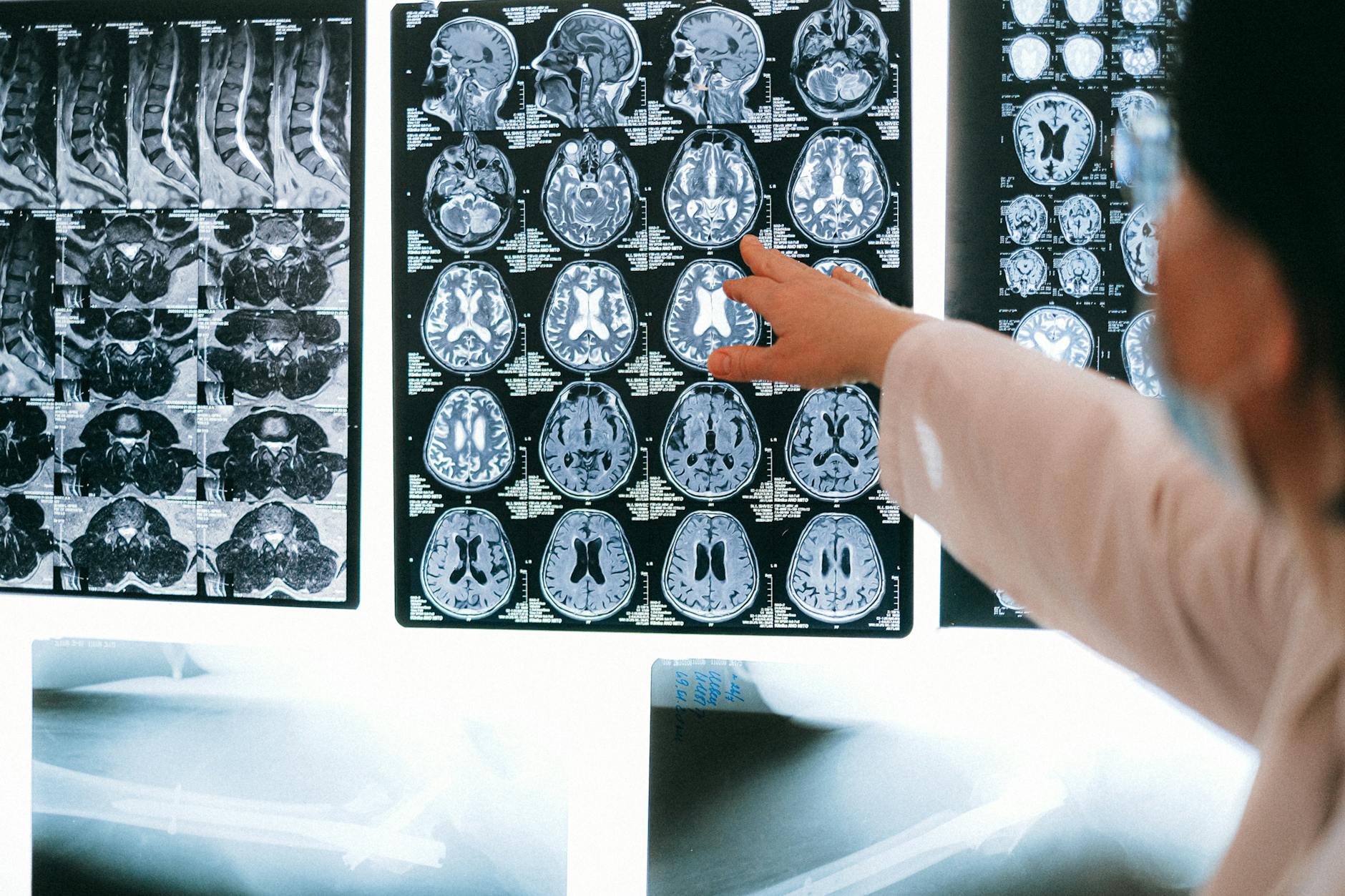
"My prefrontal cortex went on strike": Are young people rushing to diagnose 'brain‑dead influencer syndrome'?
Viral neuroscience meets self‑diagnosis
A new viral trend in China has young people joking — and sometimes seriously — blaming everyday lapses on a "broken" prefrontal cortex. The discussion, traced in a report by Huxiu (虎嗅) drawing on a WeChat piece from 惊蛰青年, centers on short videos by Yang Yukun (杨雨坤), a doctoral student in computational neuroscience studying in Austria, who has translated technical neuroscience into bite‑sized life advice. It has been reported that some of his clips drew as many as 400,000 likes, and the shorthand "前额叶受损" (prefrontal cortex damage) has become a meme and an explanatory lens for forgetfulness, procrastination and emotional overload.
What the prefrontal cortex actually does
The prefrontal cortex sits behind the forehead and, by one popular statistic cited in the coverage, accounts for roughly 29% of the cortical surface — the region most changed in primate evolution. In plain terms: it helps plan, regulate emotions, inhibit impulses and turn big goals into day‑to‑day tasks. Yang mixes self‑deprecating humor with practical examples — from parenting to relationships — which make abstract neuroscience feel immediately relevant. Reportedly, this accessibility is why the concept broke out where more technical science posts did not.
Two cultures of reaction: protectionism and parody
The online response has split into two broad camps. One group treats the prefrontal frame as a call to action: protect sleep, reduce multitasking, automate trivial choices and "free up" cognitive bandwidth — essentially a cognitive hygiene movement. The other treats it as a meme, a way to laugh at modern malaise: "my prefrontal cortex is on leave" becomes shorthand for everyday flakiness. Both strands echo earlier waves of internet‑driven self‑diagnosis around ADHD or bipolar disorder — quick to label and quick to spread.
When social media science helps — and when it hurts
Is this harmless vernacular science or a step toward medicalizing normal fatigue? Social media translation of neuroscience can raise awareness, but it can also encourage self‑diagnosis without clinical assessment. Mental health services in China have expanded, but access and stigma remain issues, and the domestic social media ecosystem (WeChat, Douyin, Bilibili) plays a larger role in shaping public health narratives than many Western platforms do. So, if your "prefrontal cortex" seems tired, should you change your sleep schedule, see a professional — or both? The memes make the question feel lighter. The answer is, as always, more complex.