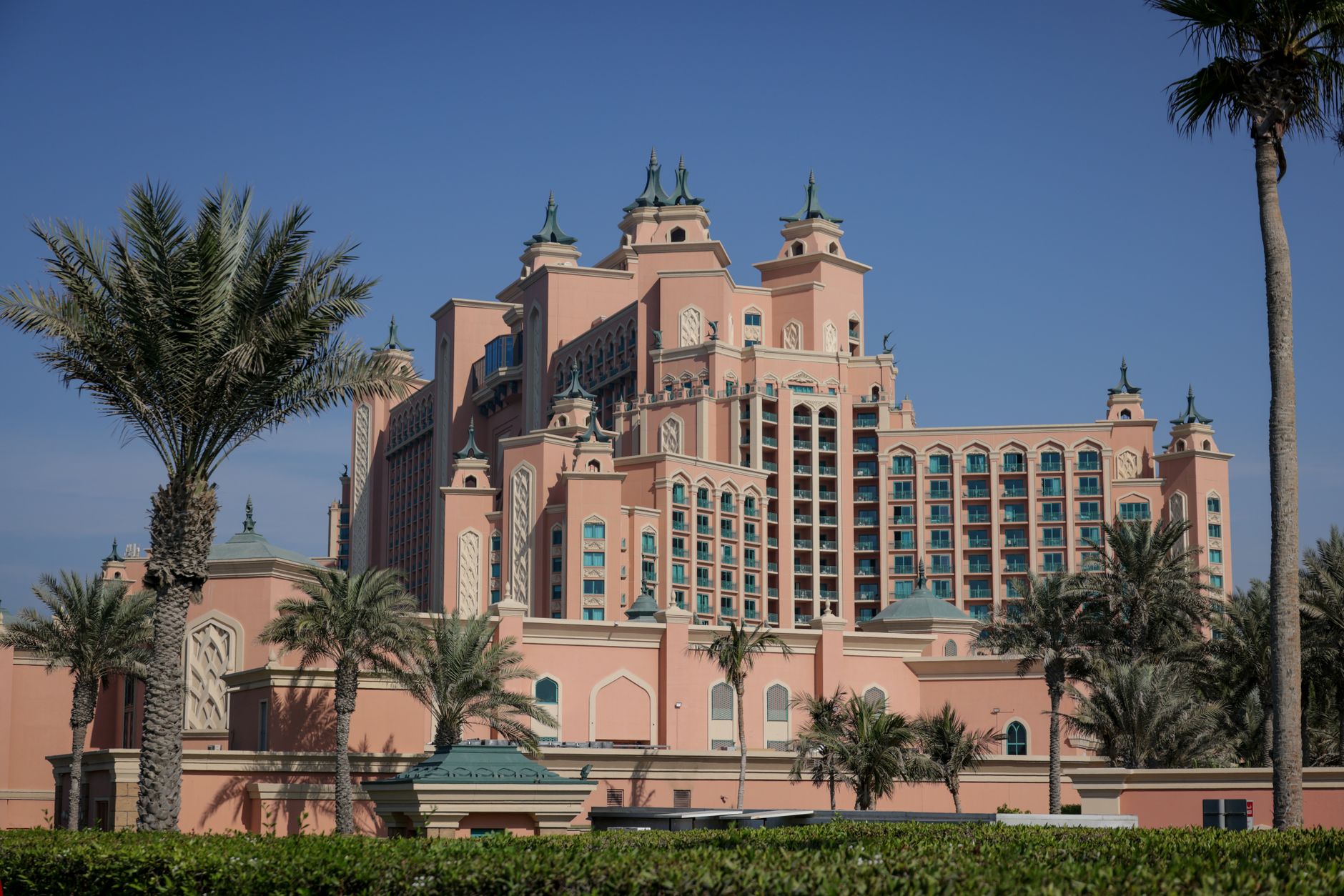
Why the once‑popular Mangrove Hotel Group (红树林) is being sold for roughly 20% of its original investment
Asset sale and pricing shock
It has been reported that a package of debts linked to Sanya’s Mangrove Hotel Group (红树林) — once a high‑profile resort chain built on a roughly 20 billion yuan investment — has been put up for marketised disposal for about 45.11 billion yuan in outstanding claims via Alibaba’s asset trading platform (阿里资产平台). That math is striking: the debt package reportedly values the underlying assets at about 22% (2.2折) of their historic investment. Why sell at such a steep discount? Because this is less a liquidation than a structured attempt to separate asset and debt to attract new capital during a court‑supervised restructuring.
What’s on offer and who’s handling it
Reportedly the creditors include China Great Wall Asset Management Co., Ltd. Hainan Branch (中国长城资产管理股份有限公司海南分公司) and China Cinda Asset Management Co., Ltd. Hainan Branch (中国信达资产管理股份有限公司海南分公司), and the collateral is extensive: hundreds of acres in Sanya’s prime bays and roughly 660,000 square metres of hotel and commercial property. Even at the distressed pricing, these hotels are not mothballed — it has been reported that the Haibang and Yalong Bay Mangrove hotels continue to operate and generate roughly 200 million yuan of net cash flow annually. Several parties have reportedly signed non‑binding registrations to bid, signalling market interest despite the haircut.
The backstory: an ambitious lifestyle experiment meets a financing mismatch
The founder, Zhang Baoquan (张宝全), built Mangrove as a “lifestyle” resort concept that relied on long‑term operational cash flow rather than one‑off residential sales. That made the model different — and vulnerable. It has been reported that the chain’s heavy up‑front capital outlays and reliance on bank and trust financing collided badly with the pandemic shock and tighter credit conditions, exposing a mismatch between long‑dated tourism assets and shorter‑tenor, higher‑cost liabilities. The result: court‑approved restructuring and asset managers using market mechanisms to create a pathway for re‑capitalisation.
What this means for China’s tourism and property landscape
For Western readers: this is not just a boutique deal. It sits at the intersection of China’s broader post‑COVID tourism recovery, ongoing property sector deleveraging and the role of state asset managers in recycling distressed assets. Is a 20% price tag a fire sale or a buying opportunity? That depends on whether new investors believe they can preserve operating cash flow, upgrade the asset and ride China’s growing demand for high‑end domestic resorts — or whether legacy financing structures will force deeper value destruction. It has been reported that asset managers and bidders are treating the sale as a chance for “self‑rescue” rather than final write‑off.