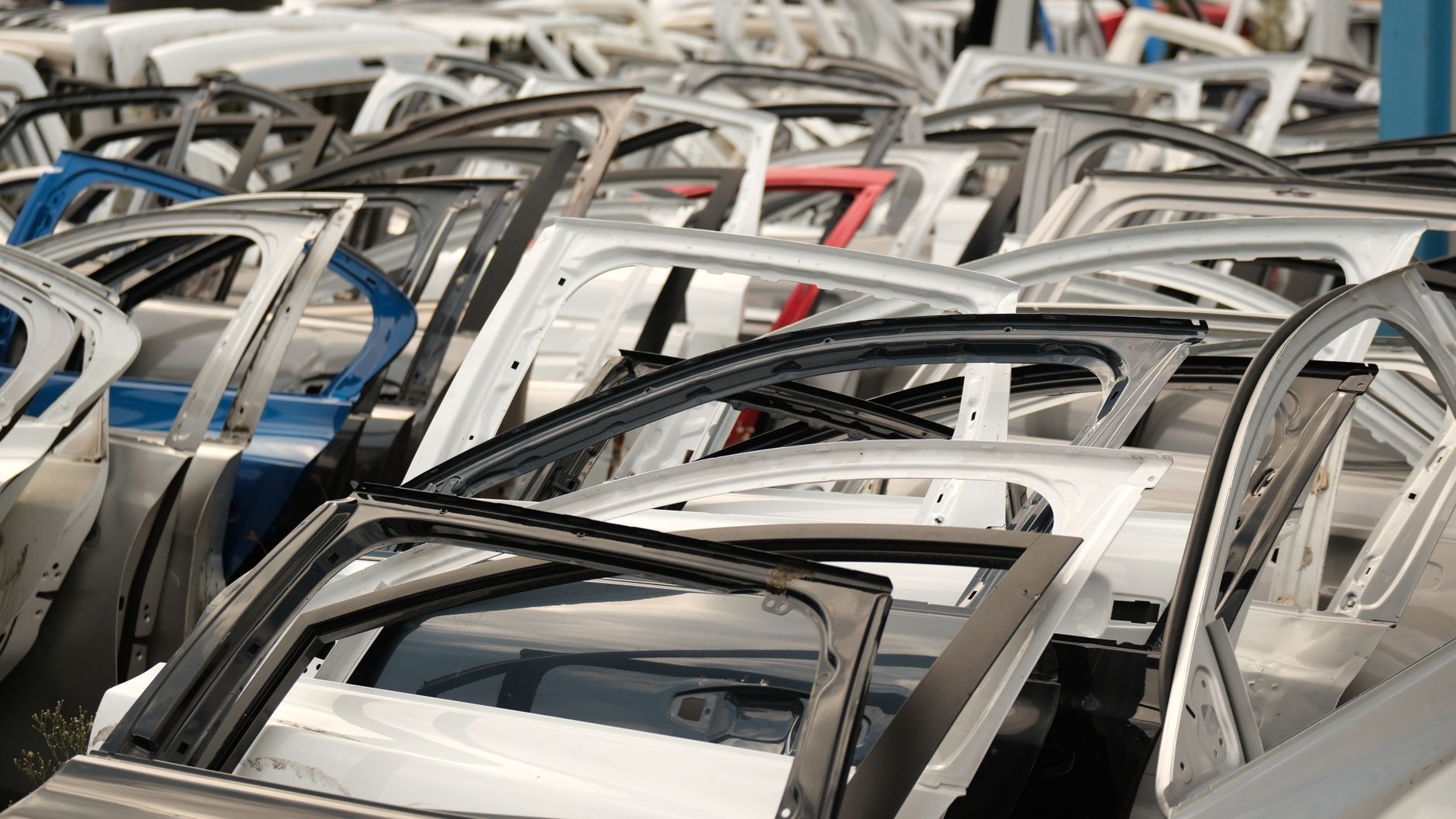
Legitimate recyclers “have no cars to dismantle”: how scalpers (黄牛) monopolize China’s scrap‑car supply
Scalpers’ stranglehold
It has been reported that small, non‑compliant dismantling yards in places such as Linyi, Shandong, now control the bulk of scrap‑car sources, leaving many licensed recyclers idle. China Central Television (CCTV) aired an investigation during the March 15 consumer‑rights period showing illegal parts stripping and resale; by contrast, large, regulated dismantling firms say they receive almost no intact vehicles. The paradox is striking: Ministry of Commerce (商务部) data show some 17.673 million scrapped vehicles in 2024–25 (an average yearly growth of 45.8%), yet the Ministry of Industry and Information Technology (工信部) counts only about 1,000 firms qualified to dismantle new‑energy vehicles and just 148 with formal battery‑disassembly credentials.
Why the market favors yellow‑label middlemen
Industry sources explain a systemic logic: scalpers (黄牛) reduce acquisition and logistics costs for factories, aggregate supply, and — crucially — capture high‑value parts before vehicles reach regulated plants. It has been reported that up to 80% of on‑the‑ground owner service is handled by scalpers; a single scalper can deliver whole loads to a yard, whereas a recycler handling direct owners would need dozens of calls daily. The result is a vicious cycle: regulated firms depend on scalpers for volume, scalpers strip valuable components (a catalytic converter can fetch several hundred RMB, reportedly), and legitimate plants end up accepting low‑value “second‑hand scrap” or face closure — one Shandong dismantler reportedly lost over RMB 2 million in 2024.
Policy response and outlook
Regulators have noticed. Six ministries, including the MIIT, rolled out a “vehicle‑battery integrated” scrapping system effective April 1 to curb third‑party battery theft and illegal resale. But enforcement will be hard; industry insiders warn that as long as scalpers control supply they can force compliant firms into informal arrangements or simply export wrecks for offshore dismantling. Original equipment manufacturers are already moving to consolidate feedstock — Geely (吉利), for example, has created Anhui Jifeng Circular Technology Industry Co., Ltd. (安徽吉枫循环科技产业有限公司) to capture reuse flows — further squeezing independent yards. Meanwhile, the full surge of end‑of‑life new‑energy vehicles is not yet here: most scrapped EVs so far come from fleets and early subsidized models such as some JMC (江铃), JAC (江淮), BAIC New Energy (北汽新能源), Chery New Energy (奇瑞新能源) and Changan (长安) vehicles, not the current best‑selling BYD (比亚迪) or the NIO (蔚来) / Xpeng (小鹏) / Li Auto (理想) cohort.
Can new rules untangle a market shaped by decades of informal intermediaries, logistics gaps and economics of reverse‑supply chains? Regulators face both implementation and cross‑border challenges — and until enforcement and incentives change, scalpers look set to keep feeding the black market for parts while compliant recyclers struggle to find whole cars to dismantle.