Is the cyber kitchen really here? Robots stir‑fry, serve and clean at a hot Shanghai expo
Expo showcase: robots, AI glasses and “smart” kitchens
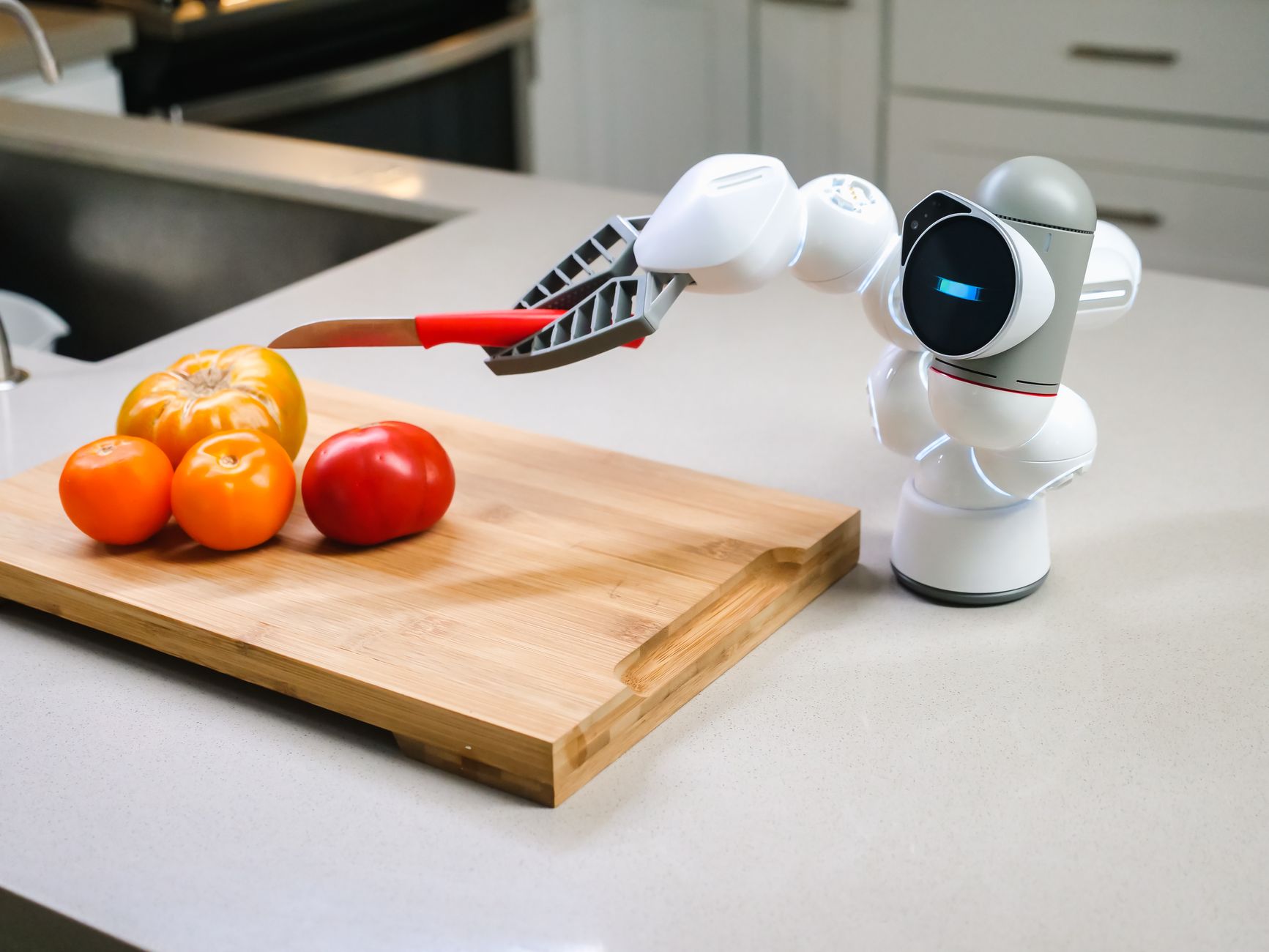
At the AWE (中国家电及消费电子博览会) in Shanghai, China’s leading kitchen‑appliance makers pushed a clear message: the kitchen is becoming a laboratory for applied AI. FOTILE (方太集团) put its robots on stage — it has been reported that the company touted a “world’s first” robot kitchen in which a Cooker Master robot handles chopping, autonomous cooking and plating while a Cooker Flow unit manages flow, delivery and cleanup. Robam (老板电器) reportedly unveiled AI cooking glasses powered by its in‑house large model “Shishen” (食神), a wearable designed to see and hear what the cook does and feed real‑time context to AI. Vatti (华帝) showed AI health‑kitchen features including adaptive low‑suction hoods and a gas‑heater “safety butler” that monitors carbon monoxide.
Why companies are racing for higher intelligence
Why the rush? The domestic market is cooling. AVC (奥维云网) data show 2025 retail sales for kitchen and bathroom appliances at 1,613亿元 (about $22–23 billion), down 8.5% year on year, and volumes also fell. Faced with a soft market, incumbents are betting on high‑end, AI‑led differentiation and full‑scene ecosystems rather than single products. It has been reported that FOTILE vice‑president Sun Liming framed the shift as moving competition from products to cross‑device, cross‑service ecosystems; Robam’s He Yadong told reporters AI should “enable your creations, not replace you.”
Tech limits, policy tailwinds and what comes next
Technical hurdles remain. Researchers warn that kitchen environments — with diverse objects, liquids, smoke and dynamic heat sources — make reliable perception and manipulation hard for embodied robots. At the same time, Beijing’s policy push for “AI+” and pressure to build domestic AI stacks amid global chip restrictions mean Chinese appliance makers are accelerating integration of homegrown models and sensors. Analysts cited by the original report say penetration today is still low and largely experimental, but that deeper fusion of AI and appliances could become a key way to break the industry’s downturn. So: the cyber kitchen is no longer just a concept. Widespread, affordable deployment? That’s the next, tougher course to cook.