Exports surge 73% and average price jumps 52%: Who is frantically buying up the 'backward' Chinese chips?
Headline take-away
It has been reported that Chinese integrated circuit (IC) exports jumped roughly 72–73% year‑on‑year and the average export unit price surged about 52% in the opening months of 2026, even as shipment volumes rose only modestly. Who is buying so aggressively? The short answer: the global AI and cloud build‑out plus a sudden gap in mainstream memory and mature‑node capacity — customers that do not need bleeding‑edge 3nm logic but urgently need huge volumes of power, interface and memory components.
What’s actually being sold — and why it matters
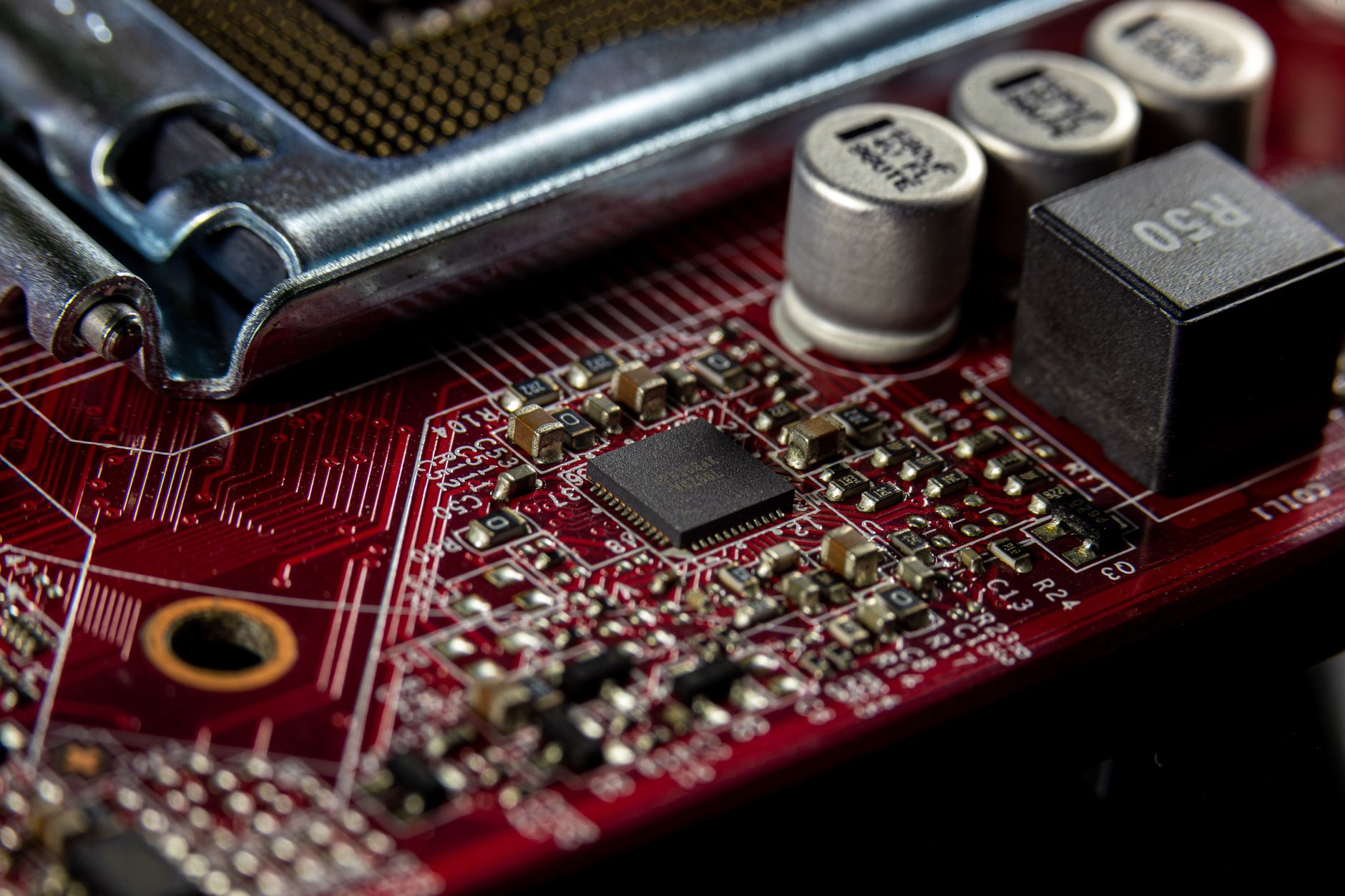
The surge is not driven by Nvidia‑class flagship logic chips but by so‑called peripheral and mature‑node “workhorse” parts: power management ICs, multi‑phase DC‑DC controllers, DrMOS, high‑speed PCIe retimers and DDR5/DDR‑interface chips, plus standard DRAM and NAND. Chinese designers such as Montage (澜起科技), GigaDevice (兆易创新), Chipown (芯旺微), Will Semiconductor (韦尔股份) and NovOSense (纳芯微) — and foundries like SMIC (中芯国际), Hua Hong Semiconductor (华虹半导体) and Nexchip (晶合集成) — have moved from low‑cost volume play to supplying higher‑value components validated at domestic AI cloud players. Reportedly, white‑label server ODMs and overseas data centers in North America and the Middle East are major buyers. Why? Because an AI rack is only useful if its power, interconnect and memory subsystems work at scale and at lower cost.
Geopolitics, strategic pivot and global knock‑on effects
This shift follows targeted Western restrictions on advanced EUV tools and leading‑edge fabs — a policy pressure that, it has been reported, accelerated China’s strategic pivot toward saturated expansion at 28nm and above, plus mature‑node packaging and validation. Omdia reportedly forecasts China’s semiconductor market will grow 31.3% to about $546.5 billion this year. The geopolitical subtext is clear: when the top of the stack is constrained, the rest of the stack becomes a new leverage point. The result is a reshaped global supply picture — higher export values from China, tightened prices for mainstream DRAM and NAND as memory firms rebalance capacity, and Western suppliers and OEMs forced to re‑evaluate long‑standing sourcing, cost and security choices.