British “Bordeaux Cellars” Duo Raised Nearly $100M from U.S. Wine Collectors, Left 217 Bottles — Report
The scheme, in short
Two British men operating under the name Bordeaux Cellars reportedly built a high‑yield investment product for U.S. retail wine collectors and retirees — and it worked for years. It has been reported that from about 2013 to 2019 the pair solicited capital by offering retail investors quarterly interest payouts of roughly 12%, while advancing bridge loans to real‑estate developers at higher rates. The loans were said to be secured by the developers’ high‑value wine cellars; collateral was capped at a fraction of cellar value. How did two hobbyists raise nearly $100 million? A CNBC interview, glossy cellar photos and careful social‑media signalling did much of the heavy lifting.
The mechanics and the mirage
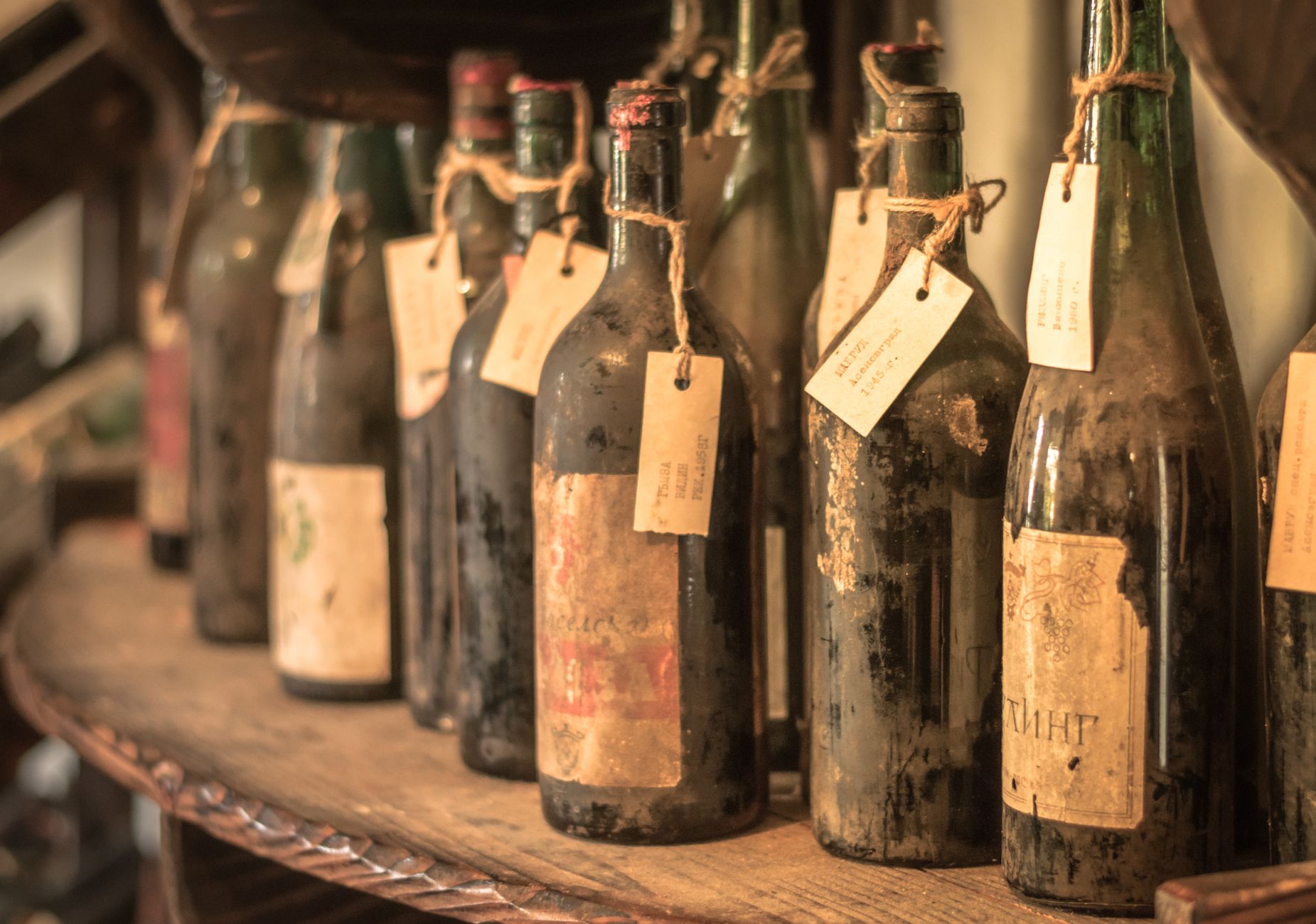
Reportedly the model paid interest out of incoming funds rather than real loan revenue — a classic Ponzi feature. The firm claimed loan collateral would protect investors because developers’ cellars contained fine Bordeaux and other rare bottles. When authorities finally moved in after payments stopped in 2019, investigators found only 217 bottles in the cellar. It has been reported that the two founders had taken in about $99 million in investor funds. The founders presented themselves as wine insiders: staged vineyard visits, selfies in cellars and high‑end tasting snaps that reinforced a narrative of scarcity and hard asset backing.
Why U.S. collectors were vulnerable
This was not just about gullibility. The story exposes cultural and market dynamics: wealthy U.S. wine collectors treat rare bottles as both status symbols and alternative assets, and mainstream press exposure still confers legitimacy. It has been reported that the CNBC appearance materially accelerated inflows. For Western readers unfamiliar with similar cases in Asia, the parallels are striking: cross‑border affinity, polished social proof and the promise of above‑market yields repeatedly swallow skepticism. Regulatory boundaries and the illiquidity of fine‑wine collateral make such schemes particularly hard to police until they implode.
Aftermath and lesson
The two founders have reportedly been convicted or detained as investigators pieced together the shortfall. The episode is a cautionary tale: media exposure is not a substitute for transparent underwriting, and “asset‑backed” claims require independent verification when the asset is as subjective and illiquid as a wine cellar. Investors, whether in Boston or Beijing, should ask the same questions: who values the collateral, where are the loans documented, and can repayments survive a market downturn? In the end, the bottles — and the story — remind us that trust, not terroir, is often the critical ingredient in modern frauds.