UK Emergency Lifts Tariffs on 33 Offshore‑Wind Inputs to Stabilise Supply Chain
What the government did
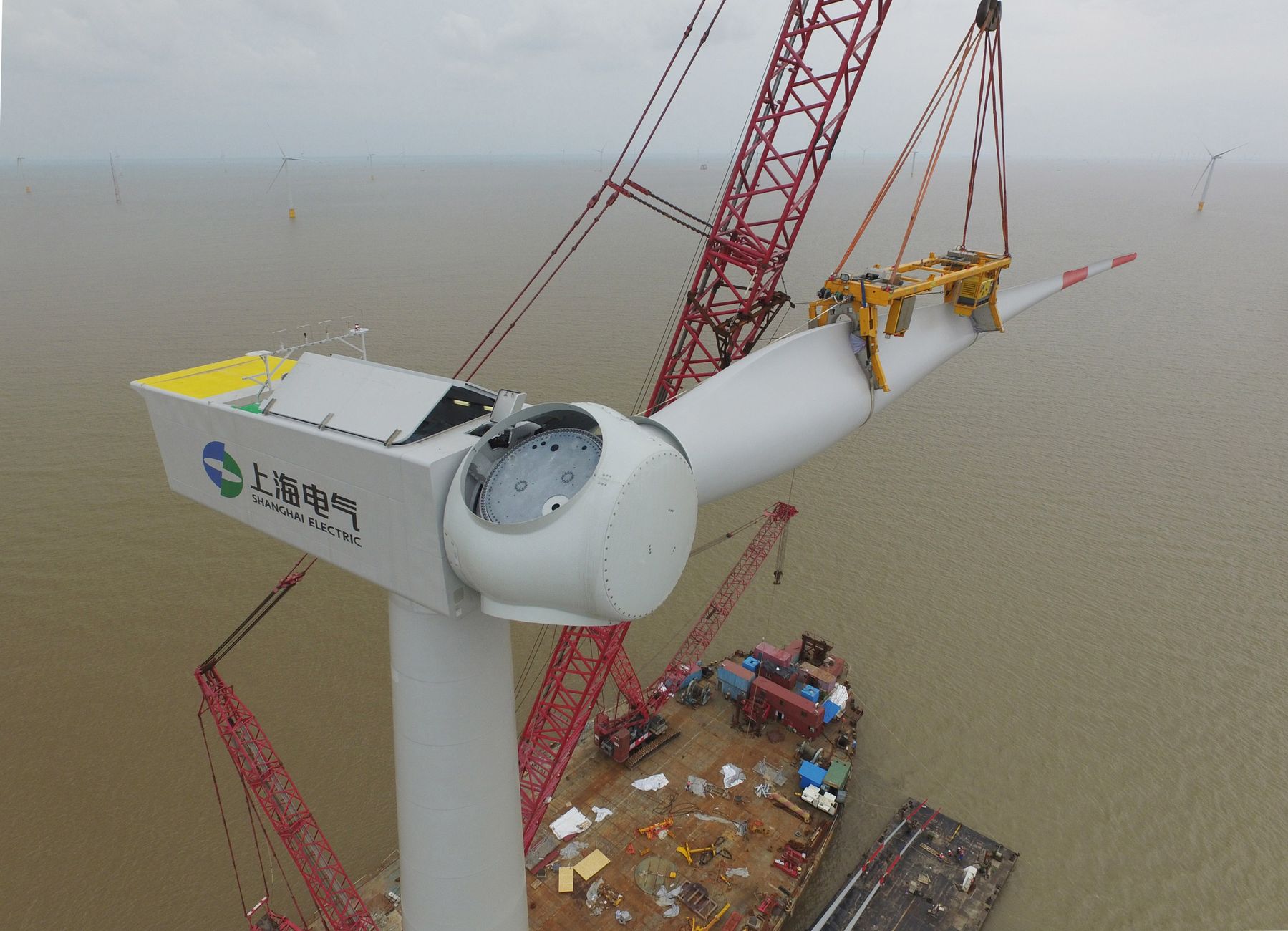
The UK government has announced it will remove tariffs on 33 industrial products used in offshore wind manufacturing, cutting previous 2% and 6% rates to 0% from April 1. The list covers components and semi‑finished goods used to make cables, rotors, rotor blades, auxiliary systems and low‑voltage systems — the upstream inputs for nacelles, blades, towers and gearboxes. Imports certified for use in the offshore wind sector can access the zero‑tariff treatment via an “authorised use” procedure. The government says the move will save UK manufacturers “millions of pounds” annually and lower production costs for domestic component makers.
Market ripple and implications for China
Why does this matter beyond British docks? Because much of the global wind supply chain — especially upstream materials and semi‑finished parts — is concentrated in China and other Asian manufacturing hubs. It has been reported that Chinese wind‑power stocks popped on the news; Wind’s wind power index reportedly rose 3.22% on March 12. Industry observers say the tariff relief will accelerate a short‑term shift in trade flows and could hand a windfall to Chinese suppliers and processors who already supply large volumes of blades, castings and electrical components. At the same time, more Chinese companies are reportedly moving from pure exporters to local builders in Europe — setting up factories, striking JV deals and joining local trade bodies to secure orders and jobs on the ground.
Limits, policy context and geopolitics
Tariff relief is a tactical fix, not a cure. The move is explicitly framed as a conditional measure to protect UK manufacturers from being undercut by cheap imports while keeping supply chains locally anchored. But the broader bottlenecks remain: project financing, grid access, and policy certainty. The EIC and other industry reports show many UK renewables projects stall before final investment decision — only seven of 33 UK offshore projects had reached FID in recent data, and none of 51 floating projects had done so. Geopolitically, the step sits at the intersection of industrial policy and trade: lowering tariffs eases immediate cost pressure and may attract manufacturing investment, but it does not resolve the systemic financing and permitting hurdles that currently limit Britain’s energy build‑out. Market watchers now ask: will cheaper inputs be enough to convert stalled plans into concrete turbines in the water?