Digging Deep, Gathering Bullets, Delaying Cards: Iran's Decades-Long Strategy Finally Revealed
Strategy in three acts
Iran has quietly stitched together a three‑pronged playbook over decades: subterranean hardening, covert arms accumulation and patient political delay. That, according to a recent piece in Huxiu, is the pattern now coming into clearer view. Short sentence. Long patience. The approach is not improvisation. It is strategic, layered and designed to survive sanctions, wars and diplomatic isolation.
How it works
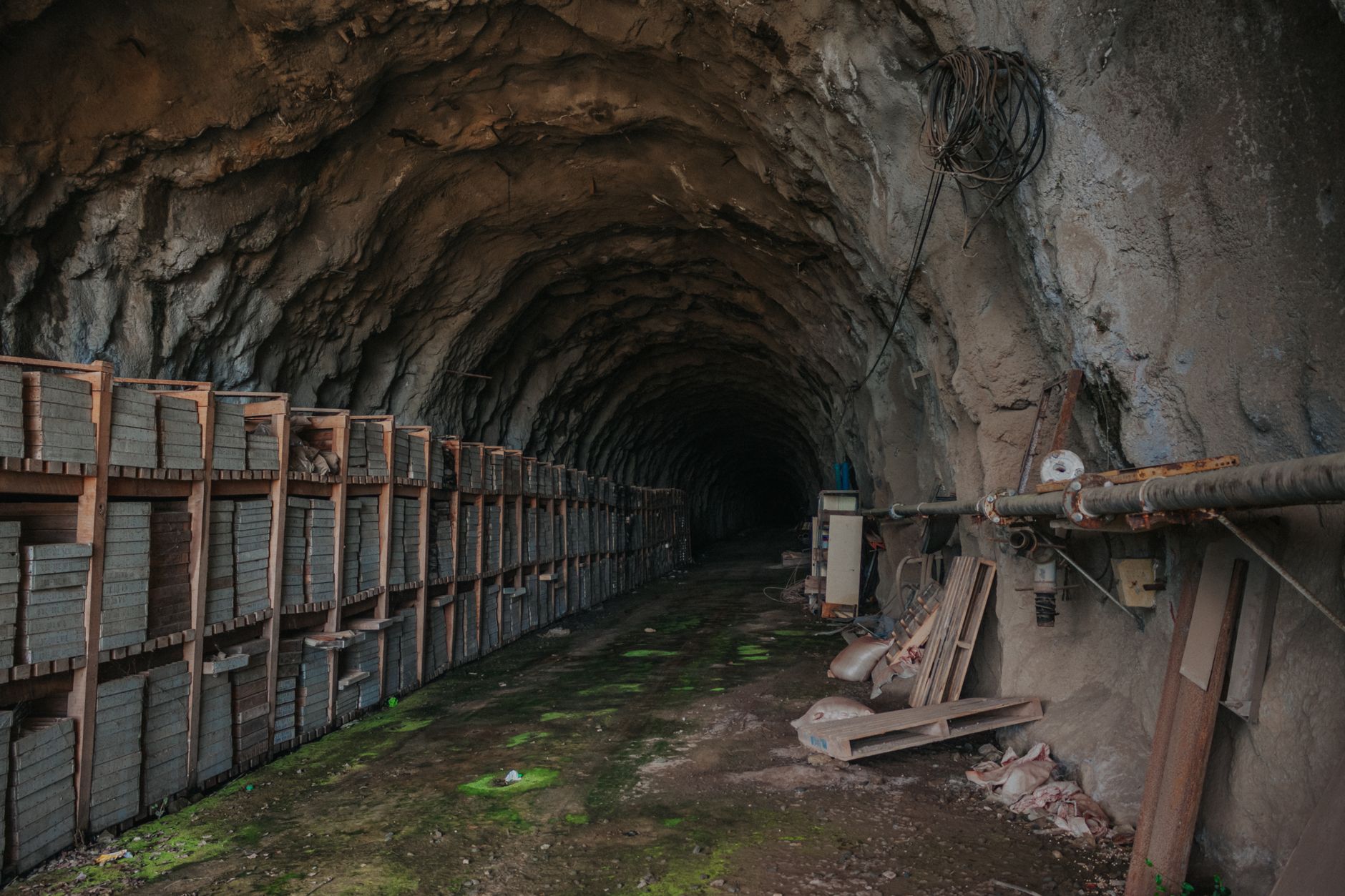
"Digging deep" refers to a visible expansion of hardened and underground facilities — from military sites to industrial complexes — intended to reduce vulnerability to air strikes and covert operations. "Gathering bullets" means building stockpiles, indigenizing missile and drone production, and cultivating regional proxy networks so Tehran can project power without exposing its core infrastructure. And "delaying cards" is the diplomatic lever: stretch negotiations, exploit divisions among Western partners, and wait for political fatigue or shifting global priorities. It has been reported that Iran’s procurement networks and domestic reverse‑engineering efforts have been central to this resilience, often operating around the edges of international sanctions.
Why Western policymakers should care
This is not just a Middle East story. Sanctions and trade policy from Washington and its allies have shaped Iran’s choices, but they have also incentivized self‑reliance and asymmetric tactics. Reportedly, partnerships with non‑Western suppliers and clandestine procurement channels have allowed Tehran to blunt the impact of export controls. The consequence: containment becomes a long, expensive campaign rather than a short, decisive fix. Can sanctions and deterrence keep pace with a strategy built for decades? That is the unsettled question facing Western capitals as tensions in the region continue to simmer.