Drivers Furious as F1 Goes Electric — Do Chinese Brands Still Need to Burn Money?
Drivers clash with new 2026 rules as fans flock to Shanghai
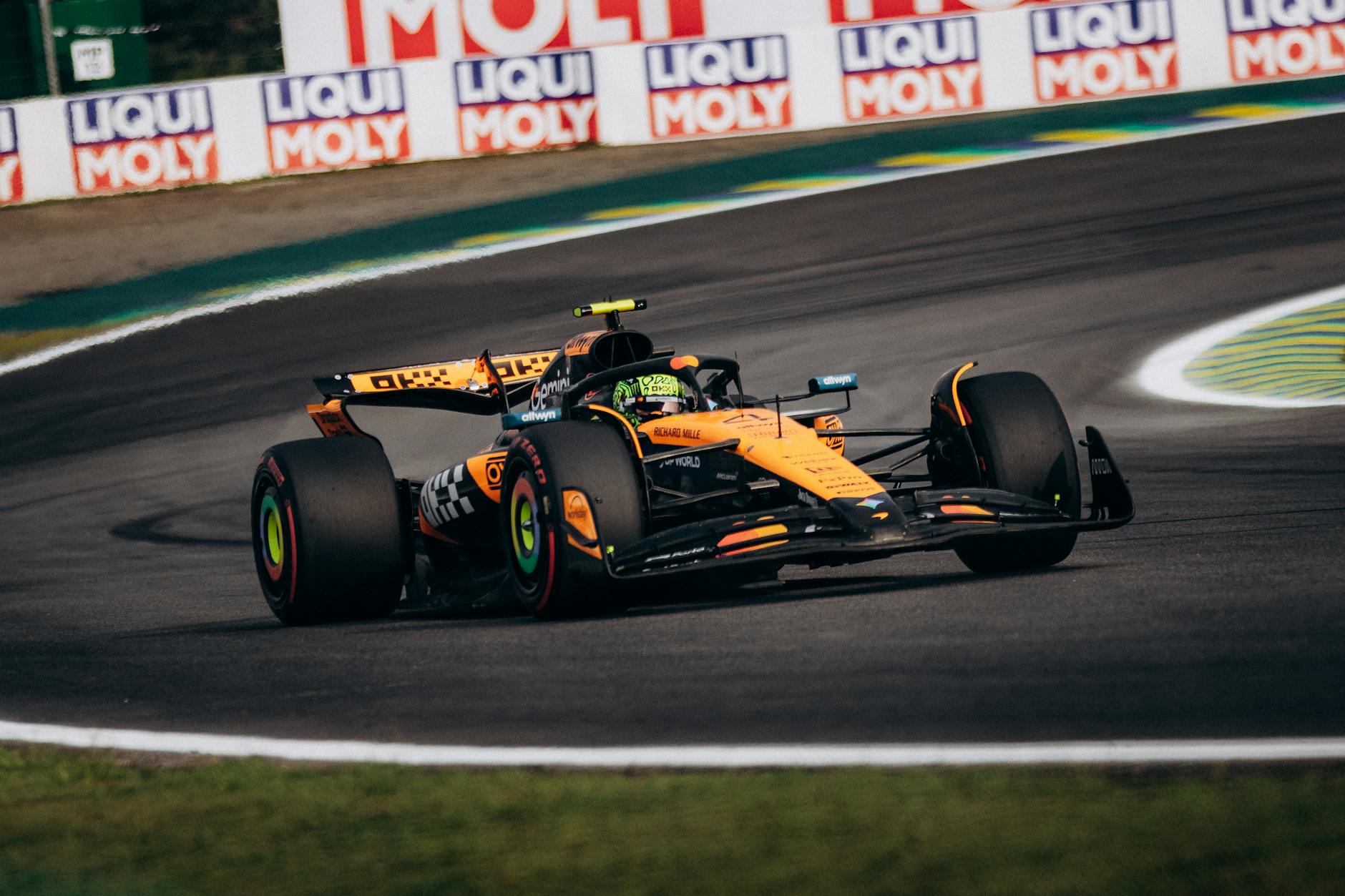
Formula 1's 2026 rule overhaul has ignited a rare public backlash from drivers even as it appears to have re‑energised fans — and organisers in China are cashing in. The new regulations boost electric power to roughly 50% of output, increase motor power to around 350 kW, introduce an active aero "straight mode" and a new overtaking boost that can be triggered when cars are within a second. Max Verstappen called the opening round "chaos" and complained the season is now dominated by energy management rather than pure driving; Lando Norris and others echoed those frustrations. Yet the opening rounds have seen far more overtakes and on‑track drama — Australia logged triple the overtakes compared with 2025 — and many fans welcomed the unpredictability.
Shanghai station shows fresh commercial value — reportedly
It has been reported that enthusiasm in China has surged: Shanghai Jiushi Group (上海久事集团), the event’s exclusive promoter and operator, has reportedly renewed its partnership with F1 through 2030 and predicts the Shanghai Grand Prix will draw about 230,000 spectator visits across three days, with 14% from overseas and 74% from other Chinese provinces. Longtime Chinese fans say interest mushroomed gradually since F1’s 2004 debut and exploded around 2024–2026 thanks to local drivers and cultural boosts; tickets for the 2026 Shanghai round reportedly sold out within days of release. In short: the sport’s commercial pull in China looks stronger than many expected.
Is this a defensive play against Formula E — and what it means for sponsors?
Observers note the rule changes bring F1 closer to Formula E (电动方程式, FE) in areas like energy recovery, software strategy and urban‑audience appeal. It has been reported that some analysts view the move as both a technological pivot and a commercial countermove to FE’s electric narrative — a recalibration designed to keep OEMs and new energy sponsors at the F1 table rather than lose them to EV‑centric series. Liberty Media, which has driven F1’s globalisation since acquiring commercial rights in 2017, argues the changes align the sport with the wider auto industry shift toward electrification; Western manufacturers such as Audi entering F1 in 2026 underlines that point. Against the backdrop of trade policy and a global EV push, Chinese carmakers and tech brands now face a different sponsorship landscape: more relevant electrified storytelling — but also stiffer competition for marketing returns.
Do Chinese brands still need to "burn money"?
So what should Chinese brands do? Fans say rule changes make F1 more watchable and commercially fertile; drivers say it risks losing the sport’s soul. It has been reported that many Chinese sponsors historically relied on heavy spend to buy attention in motorsport — but the new F1 era, with greater electrification and renewed Chinese demand, could let brands secure exposure more efficiently if they pick the right narratives (sustainability, tech, urban mobility). Will that end the era of "burning money"? Not overnight. But with packed grandstands in Shanghai and global OEMs recommitting, sponsors have clearer strategic choices — and the tariff and trade debates that shape EV supply chains mean branding decisions will be as geopolitical as they are commercial.