AWE turns into an AI circus: Dreame (追觅) dominates the floor while a crayfish craze steals the show
AI as showmanship — but does it work?
The big picture at AWE’s 170,000-square-meter exhibition was immediate: every panel blinked “AI.” It has been reported that Dreame (追觅) even booked an entire pavilion, flooding halls with sub‑brands, concept cars and staged demos; crowds lined up like at a pop concert. The oddest through‑line? A so‑called “crayfish craze” reportedly sparked by OpenClaw — from posters to robots “raising” prawns — showing how any cultural hook can be grafted onto an AI narrative to attract attention.
High drama, thin tech
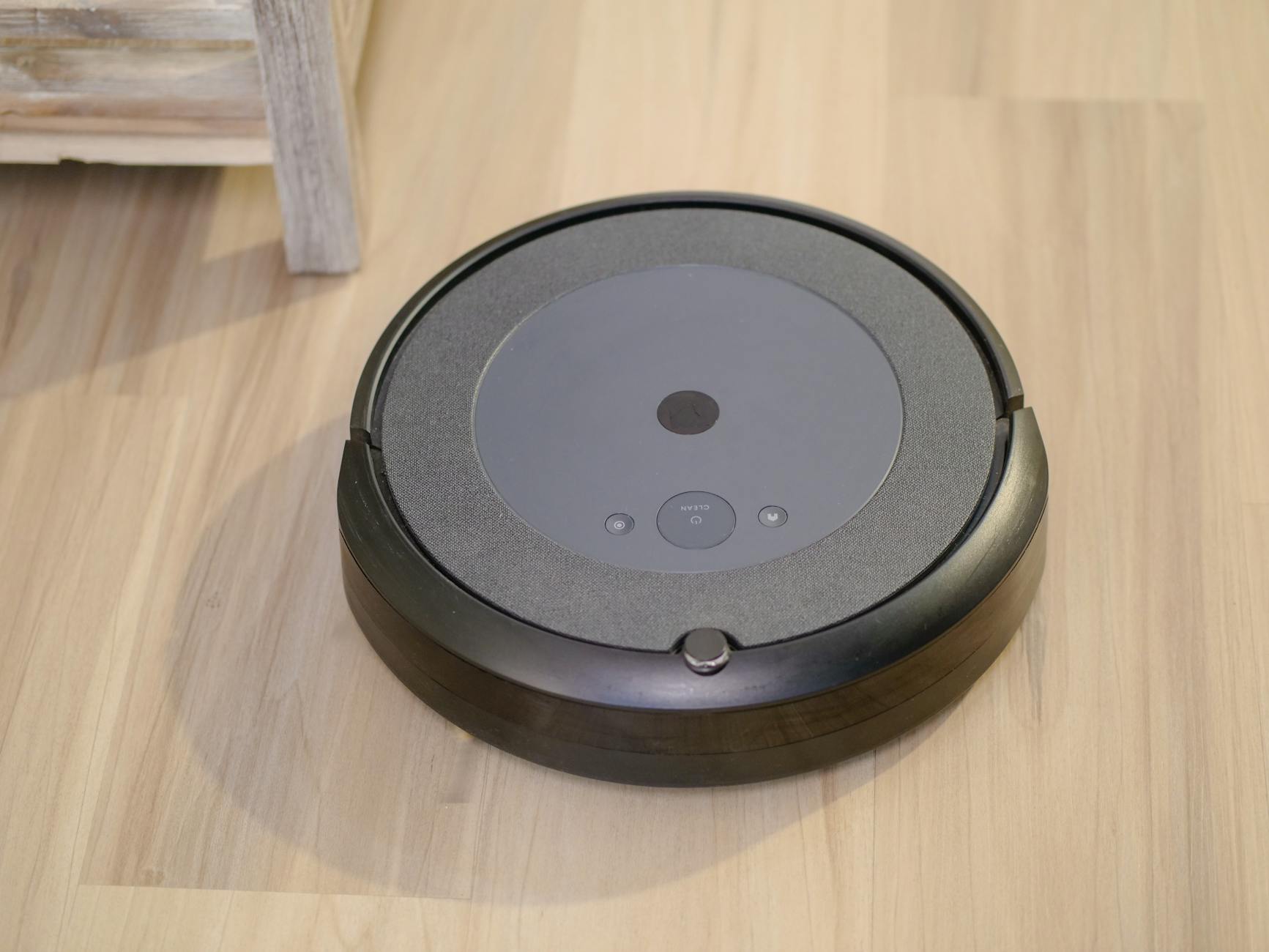
Many of the most viral moments were carefully choreographed. Unitree (宇树) robots boxed one another in a scripted routine; it has been reported that staff were calibrating parameters until the day before to avoid onstage failure. Elsewhere robots were little more than puppets controlled by handlers. iRobot took the opposite tack, returning to cleaning fundamentals with on‑floor demonstrations rather than spectacle. The takeaway: much of what visitors applaud is still “show tech” rather than fully autonomous, home‑ready systems.
Big appliances stay pragmatic
Incumbent white‑goods makers remained the steady backbone. Haier (海尔) continues to dominate exhibition space and pushed “AI Eye” 2.0 and expanded food‑recognition lists for its Casarte (卡萨帝) line; Hisense (海信) staged the domestic debut of an RGB‑Mini LED flagship, underscoring that display and manufacturing strengths remain China’s advantage. In practice, most AI features on show were iterative — smarter voice assistants, beds that adjust to snoring, or ACs that follow people — not the “no‑touch” ambient intelligence promised in marketing copy.
What this means for China’s tech landscape
Two structural forces were visible on the floor. First, Chinese supply‑chain depth has driven down entry costs for basic ML functions — it has been reported that voice‑/noise‑recognition chips can be procured for roughly 10 RMB — turning advanced features into commodity add‑ons. Second, fast‑moving challengers like Dreame are trying to prove they are ecosystems — Magic Atom (魔法原子), MOVA, STAR MATRIX, NAVEE and Yinyue (引跃) all under one banner — but is this horizontal blitz genuine innovation or simply a branding blitz that swallows smaller startups’ ideas? With Western export controls nudging firms toward domestic vertical integration, the race increasingly looks less about unique capability and more about brand aesthetics, ecosystem storytelling, and who can turn showmanship into real product value.