Five Key Insights Ahead of Artemis II's Lunar Flyby
The Super Rocket's Journey
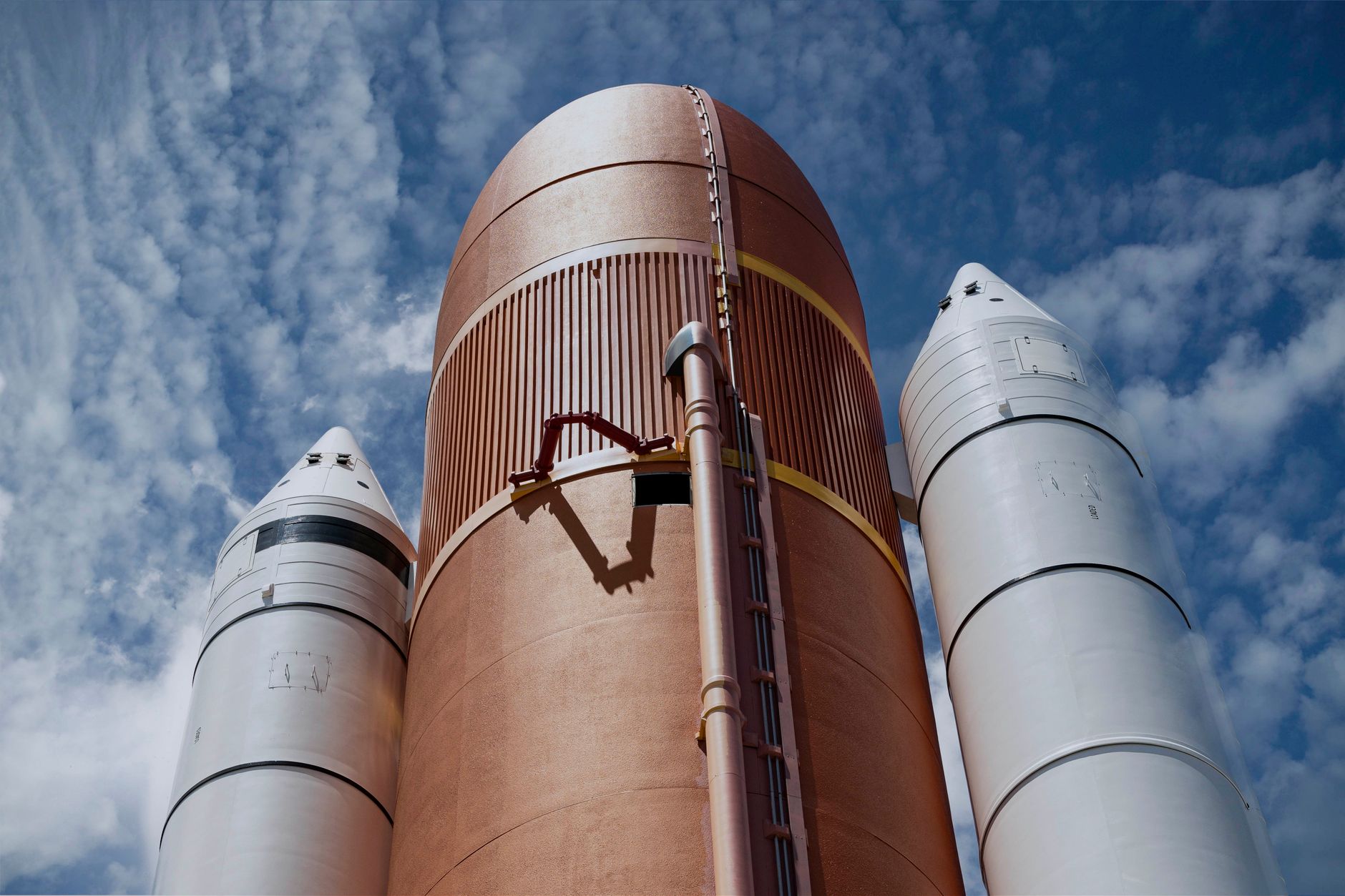
After more than fifty years, NASA is poised to return to the Moon with its Space Launch System (SLS), a towering 98-meter rocket currently stationed at the Kennedy Space Center in Florida. The SLS is set to embark on the Artemis II mission, which will carry four astronauts into lunar orbit and safely back to Earth. This mission represents a significant leap in NASA's lunar exploration plans, following the successful uncrewed Artemis I mission in 2022.
However, despite the previous success, SLS program manager John Honeycutt refrained from providing a definitive success probability during the recent Flight Readiness Review (FRR). Why the caution? The complexities of real-world conditions often defy simple metrics. With nearly four years since the last mission, potential issues may only reveal themselves during actual launches.
Hidden Threats in Space
One of the most pressing concerns noted by Honeycutt lies not with the rocket itself, but with the dangers posed by micro-meteoroids and orbital debris (MMOD). In the vastness of space, even tiny particles can become lethal projectiles at high speeds. This underscores the unique challenges of deep space missions compared to near-Earth activities, such as those conducted on the International Space Station.
NASA's preparations have not been without challenges. The SLS was recently returned to the Vehicle Assembly Building (VAB) for repairs due to a blockage in its helium system, essential for pressurizing fuel tanks. The issue stemmed from a Teflon seal dislodged under pressure, requiring an intricate repair process that has been described as "surgical."
Astronauts' Concerns: More Than Just Launch Safety
Interestingly, the astronauts involved in the Artemis II mission expressed concerns that extend beyond the rocket's immediate safety. Their top priorities include ensuring precise re-entry angles to avoid burning up during atmospheric entry and maintaining reliable communication systems, especially when flying behind the Moon. The fear of being cut off from Earth during their mission is a stark reminder of the isolation that deep space exploration entails.
Moreover, the astronauts emphasized the need to move away from "space station thinking." Unlike missions close to Earth, lunar missions come with a heightened sense of risk and uncertainty. As NASA gears up for this ambitious journey, it must prepare its crew for the unique challenges of deep space living.
Swift Recovery and Future Implications
Remarkably, NASA managed to restore the SLS to readiness in just 22 days—a feat that is nearly unprecedented for large rocket projects. This rapid turnaround hints at a new era of efficiency in space missions, as many processes were significantly expedited. As Artemis II approaches, the world will be watching closely, eager to witness humanity's next bold steps toward lunar exploration.