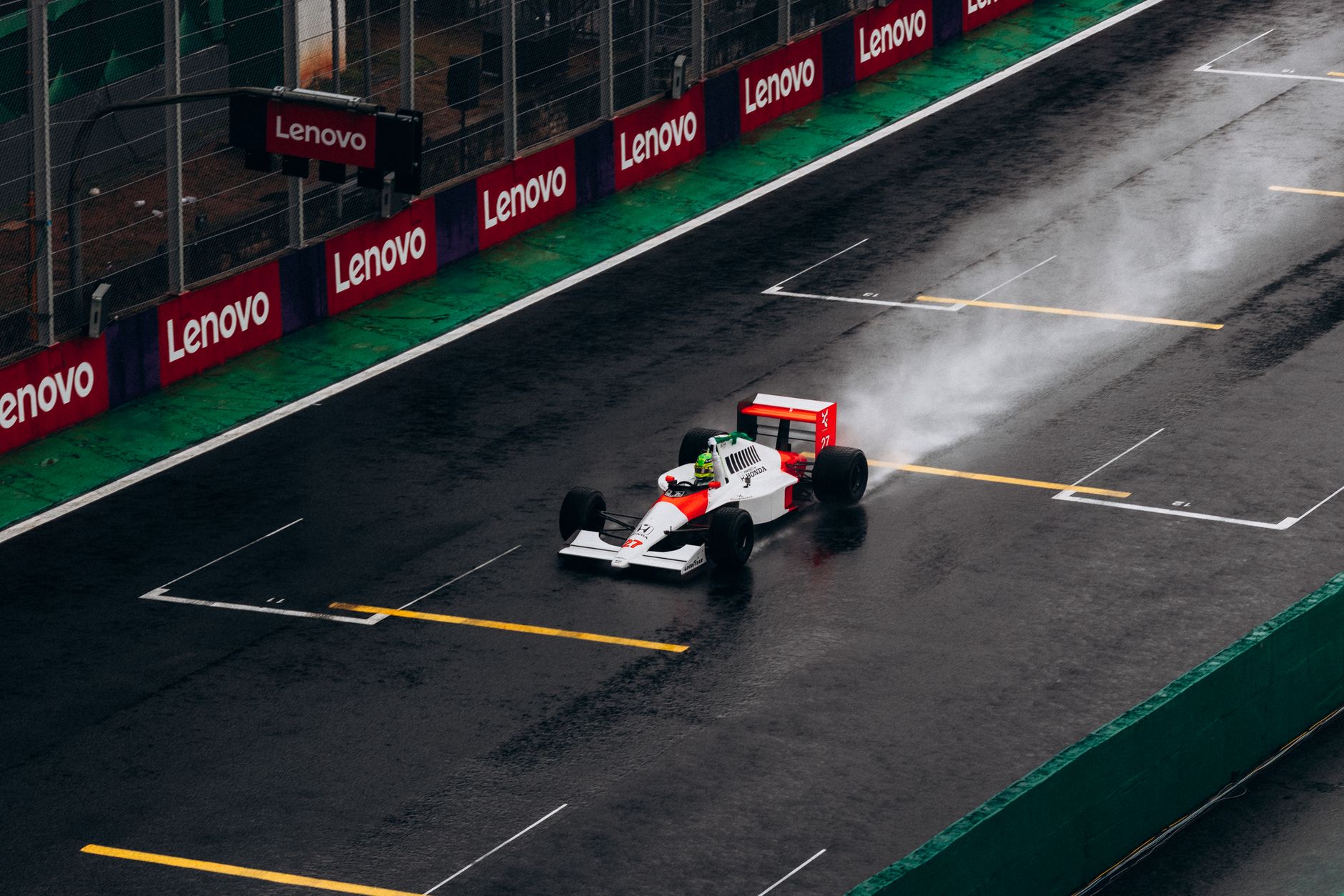
A "Top Star" Has Arrived — Shanghai Is Hitting the Gas on F1 and the City Economy
Shanghai doubles down on Formula 1 as a consumption engine
Shanghai is turning Formula 1 from spectacle into strategy. F1 has been linked with the city for more than 20 years, and Shanghai Jiushi Sports (上海久事体育) has just begun another five‑year cooperation period, projecting roughly 230,000 on‑site attendances across the three‑day race weekend. Tickets — from RMB 330 lawn seats to RMB 42,800 paddock packages — reportedly sold out months in advance, and organizers expect this year's turnout to again break records.
Measurable economic lift — and a broader policy push
The financial effects are concrete. The 2025 Chinese Grand Prix generated about RMB 2.47 billion in direct spending and an estimated RMB 6.91 billion in indirect impacts, up sharply from 2024. Shanghai's retail figures turned positive last year — social retail consumption grew 4.6% versus a national 3.7% — and inbound tourist spending has surged, it has been reported that annual spending tied to inbound visitors rose to about USD 15 billion, up roughly 35% year‑on‑year. The city government has explicitly linked events like F1 to its 2026 pledge to "deepen consumption‑boosting actions" and is positioning Shanghai as an "inbound consumption first city."
From race weekend to city festival — and industry benefits
Shanghai is trying to amplify the three‑day asset into a weeks‑long festival. After trying a month‑long "race month" in 2025, the city extended related programming in 2026 to a 54‑day, city‑wide calendar of live broadcasts, karting, exhibitions and retail activations to spread visitor spending beyond the circuit. The industrial link is equally important: F1 brings global automotive executives and technical exchange to Jiading, the district home to the circuit, and has coincided with major local auto industry growth — Jiading's above‑scale auto output rose from RMB 55.12 billion in 2004 to about RMB 309.54 billion in 2025, accounting for roughly 65% of the district's industrial output. Shanghai's planned 2026 passenger vehicle capacity tops 2.4 million units, including a 950,000‑unit plan at Tesla's Shanghai plant, underscoring the city's role in global EV supply chains.
Can there be a second F1 city in China?
Other Chinese cities — Guangzhou, Wuhan, Chengdu — are reportedly building circuits and courting large races. Could Shanghai lose its sole "F1 city" status? Some in the industry say yes; it has been reported that a Mercedes team official mused, "if China can have a second round, why not?" Shanghai faces a model question: replicate Singapore's Grand Prix Season Singapore (GPSS) and stretch three days into a ten‑day civic celebration, or double down on industry clustering and high‑tech spillovers. Against a backdrop of geopolitical frictions and tighter export controls that complicate some tech ties, hosting a world‑class sporting IP that draws international visitors and technical exchange also signals the city's commitment to openness — and offers a pragmatic lever to accelerate consumption and EV innovation simultaneously.