Being unable to poop is becoming a shared secret among middle schoolers
Constipation is no longer just an adult problem
Middle school students in China are increasingly struggling with chronic constipation, and the numbers are striking. Studies using the Rome IV (罗马IV) diagnostic criteria find detection rates around 14% in Shanghai’s Chongming district and 10.5% in a Henan high‑school sample; earlier Roman III–based work shows similar figures in Suzhou (13.53%) and lower rates in parts of Gansu (5.37%). By contrast, meta‑analyses put adult constipation prevalence in China at roughly 6.5–8.1%, which means many adolescents — in the very prime of growth — are at least as affected as adults. How did a routine bodily function become a source of pain and secrecy for so many teens?
Schools, schedules and stigma
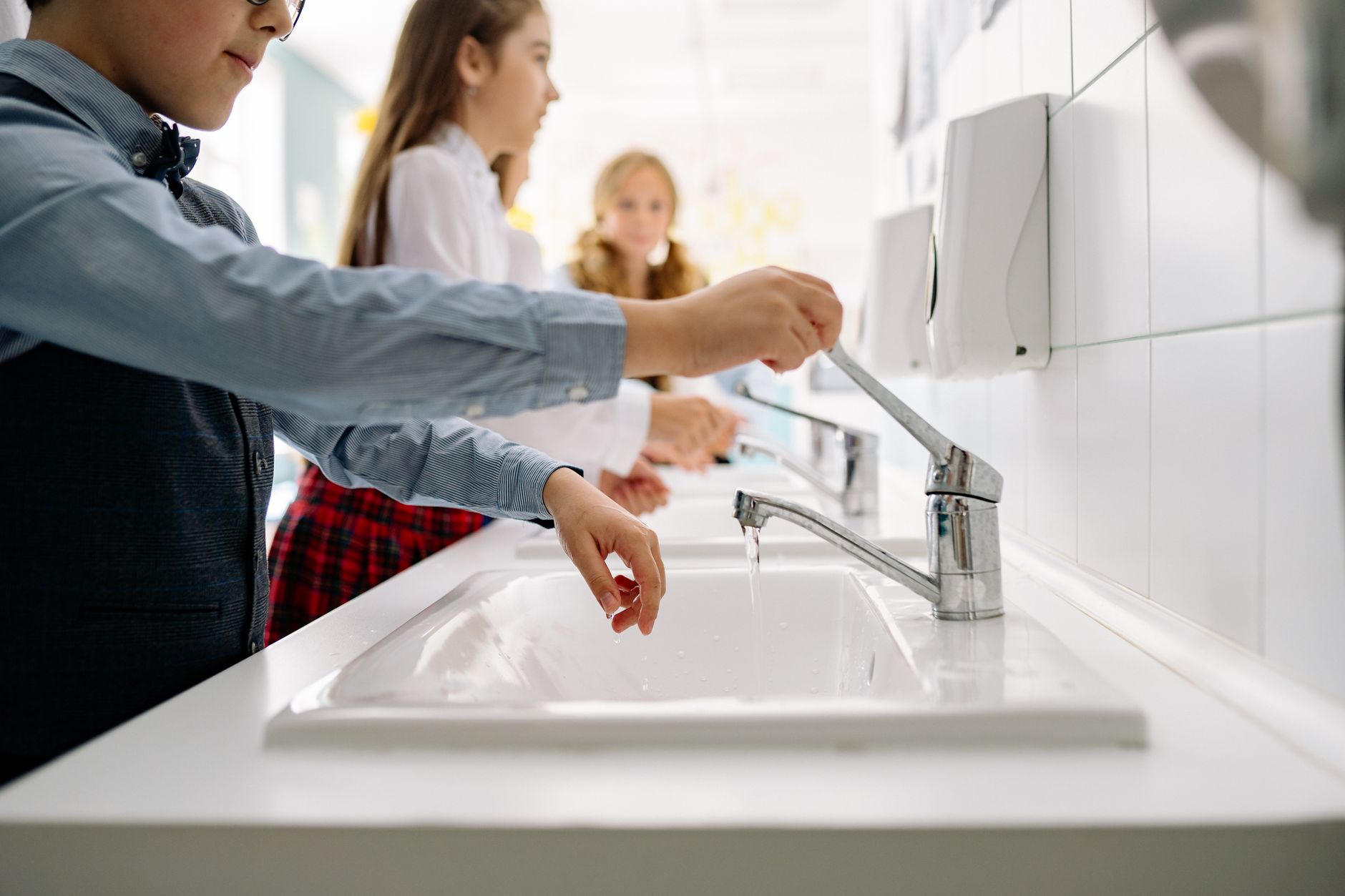
The causes cluster around school life. Researchers point to poor diet, limited daily exercise and high academic pressure — especially in demonstration high schools where detection rates have been reported as high as 18.23% — as major drivers. Boarding routines, rigid class schedules and fears of losing class time or dormitory points reportedly force students to suppress the urge to go; it has been reported that some adolescents endure extreme discomfort rather than use a school toilet. There are also vivid anecdotal accounts — reportedly including manual evacuation in desperate cases — that underscore how social embarrassment and inadequate facilities amplify a medical problem into a social one.
Pain, performance and public‑health gaps
Constipation among adolescents is not just discomfort. It can cause severe pain, interfere with sleep and concentration, and — critically for Chinese families and schools focused on exam performance — undermine study during pivotal years. Psychological links are bidirectional: students with depression or anxiety have roughly 1.65 and 1.64 times higher risk of constipation, respectively. It has been reported that there is no comprehensive national survey of middle‑school bowel health, and that the 2016 Rome IV revision (which shortened the symptom duration threshold for children and teens) was intended to improve early detection. The policy implication is clear: schools need better sanitation, more flexible toilet breaks, dietary and physical‑activity reforms, and integrated mental‑health support to tackle what is both a medical and a school‑culture problem.