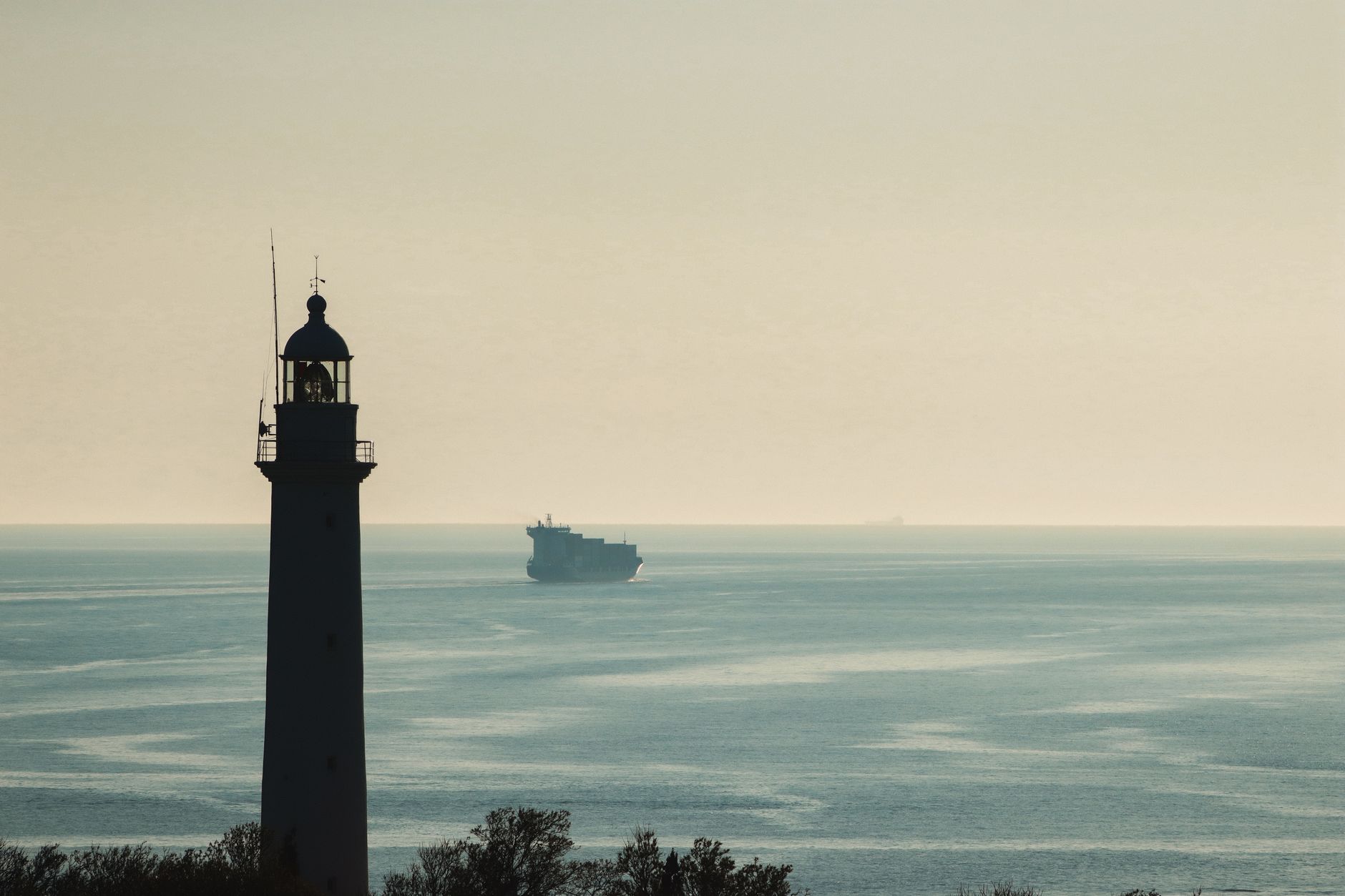
My two ships are drifting in the Persian Gulf
Gulf conflict upends Chinese car exports
A sudden escalation in the Persian Gulf has snarled a key artery for Chinese auto exports, leaving hundreds of vehicles stranded or facing steep extra costs. It has been reported that on February 28 U.S. and Israeli strikes — dubbed “Epic Fury” and “Lion’s Roar” in some accounts — opened a new phase of confrontation with Iran, and that the violence quickly spread across the region. Residents in Dubai woke to alerts after debris from an intercepted drone reportedly struck the Burj Al Arab (帆船酒店), and nearby ports and shipping lanes that normally service China-bound cargo were disrupted. For Western readers: the Strait of Hormuz and the adjacent Persian Gulf are chokepoints for ships bound for Jebel Ali (杰贝阿里港), the region’s largest transshipment hub and a critical node for Chinese-made cars headed to the Middle East and Africa.
Shipping chokepoints and an insurance squeeze
The immediate commercial fallout has been concreteness in dollars and days. Shipping lines announced war-risk surcharges — it has been reported that MSC added $800 per container while CMA CGM briefly proposed $2,000–$4,000 before retracting and suspending Middle East sailings — and insurers raised premiums or withdrew coverage, with some policies reportedly climbing 50%. Car carriers that could still operate demanded extra fees or chose the Cape of Good Hope, adding 10–14 days to voyages. China COSCO Shipping (中国远洋海运) and Chery (奇瑞) had just completed a 19,000 sqm overseas warehouse in Jebel Ali Free Zone meant to speed regional distribution; instead those same facilities are now strategic holding areas while ships loiter, divert or wait for port reopenings.
Dealers, makers and a quick pivot
Dealerships in Dubai’s bonded zones saw customer traffic collapse overnight. The UAE — a top-three destination for Chinese car exports, with 567,000 units reported last year — is illustrative: showrooms open but empty, staff shifted to remote work, and executives scrambling to reassure clients and confirm local employee safety. Some manufacturers are already adjusting markets. Lotus (莲花), under Geely (吉利), has reportedly suspended some Middle East shipments and signalled a push into Canada after winning an EV quota reportedly set at about 49,000 vehicles per year. Who will absorb the unexpected bills — buyers, dealers, shipowners or insurers — remains contested. “In the face of war, we can only wait,” one export manager said, summing up the trade’s current dilemma as supply chains hang between ports and geopolitical uncertainty.