Regional local dishes seize the prime "C" spot in commercial districts
Rural flavors go mainstream — and malls are the stage
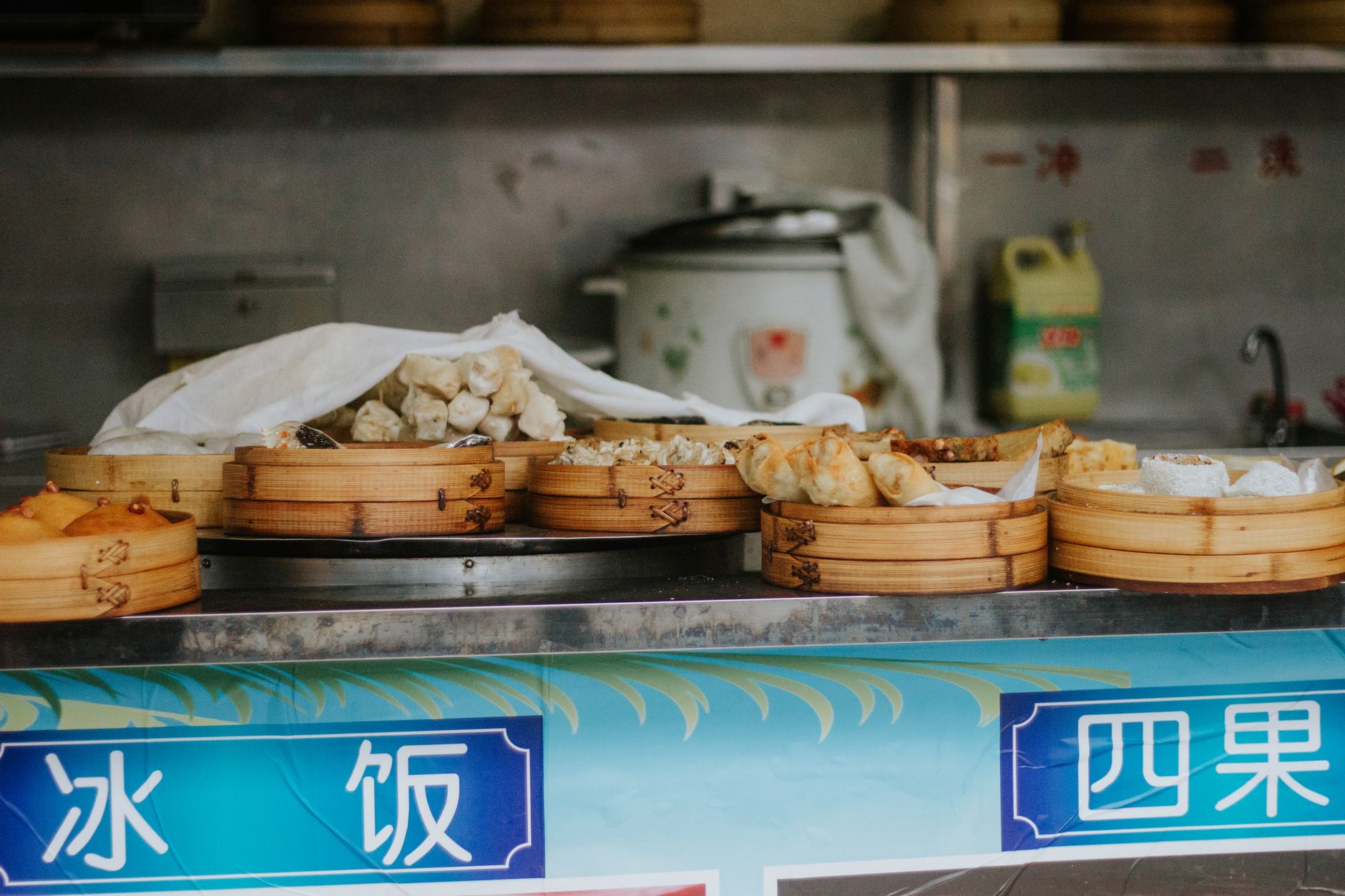
Regional “tu‑cai” (土菜) — literally home‑style, locality‑rooted cuisine — have moved from street corners and village inns into China’s shopping‑mall foodscapes, and fast. Yongshang Mingzao (甬上名灶) in Ningbo has been dubbed a “queue king,” and it has been reported that peak wait times can reach 1–1.5 hours; Nong Geng Ji (农耕记) has opened dozens of stores and Tianxiaogou Restaurant (田小狗的饭店) popularized a retro rural aesthetic that now gets replicated across cities. Why are mall operators and diners suddenly choosing soil‑grown, battered‑wok cooking over sleek fast‑casual concepts? Because authenticity now sells as experience.
From “farm to wok” to curated dining theatre
Operators are weaponizing provenance. Brands such as Sifang Zhuo (四方桌) and Xiangchao Fresh Meat Union Factory (湘超鲜肉联厂) reportedly source directly from contracted farms, insist on same‑day fresh preparation and foreground agricultural aesthetics in décor — mud walls, old kettles, local pottery. High‑end players have taken notice: luxury hotels have launched regional series that apply fine‑dining techniques to local dishes. As Huidachu (徽大厨) founder Xu Xun (徐讯) has been quoted saying, the boom reflects not just taste nostalgia but “a round of concentrated upgrades in food, environment and service.” The result is “tu‑cai” recast from cheap homestyle fare into lifestyle dining.
Big numbers, new business models — and rising pains
It has been reported that some outlets post striking economics — small‑format stores with monthly turnovers in the seven figures, and chains like Nong Geng Ji expanding into dozens of sites. Cultural tourism tie‑ups amplify the effect: collaboration between regional brands and local tourism bureaus has turned restaurants into destinations, with reported visitor booms and social‑media traction. But scaling is hard. Fresh‑ingredient supply chains are costly, taste is hard to replicate off‑site, and higher mall rents can force a trade‑off between authenticity and margin. Chifan Huangdi Da (吃饭皇帝大) withdrew from Shanghai last year, a cautionary tale of rapid expansion colliding with uneven local demand.
A cultural product as much as a menu
The craze for tu‑cai signals more than a culinary fad. It aligns with a broader consumer shift toward fewer but higher‑quality outings, and with the industry’s pivot to “scene + experience + culture.” Will regional dishes sustain their mall dominance once novelty fades? Success will likely hinge on supply‑chain sophistication and a brand’s ability to translate local stories into repeatable, culturally rich experiences — not just a menu of nostalgia.