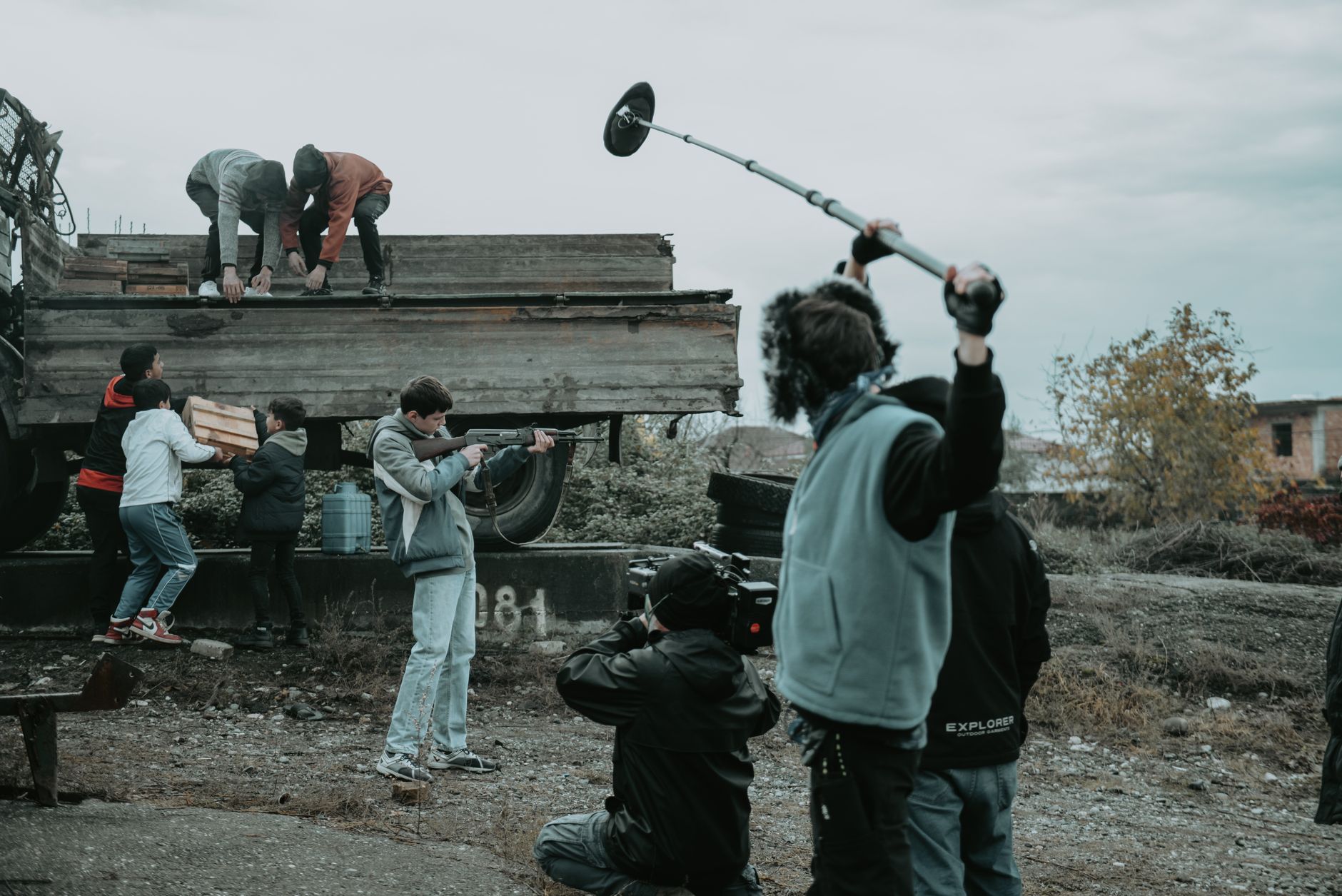
Platforms cut live-action short dramas; Ting Huadao (听花岛) staff anxious as industry eyes AI rescue
Industry shock: platforms "wean off" live-action projects
It has been reported that several leading short‑drama platforms moved in early March to “pause” or sharply reduce guaranteed funding for live‑action micro‑dramas, cancelling minimum revenue guarantees and raising content and production thresholds. That abrupt “断奶” — weaning — has reverberated through the sector. Huxiu reports that Ting Huadao (听花岛) convened a company‑wide meeting where the founder warned the firm may treat the current year as a last window to earn from traditional production and “fully embrace AI short dramas” once the technology matures.
Why now: an expensive, subsidy‑driven ecosystem
The short‑drama market boomed rapidly: industry estimates put its scale at around RMB 100 billion, and top platforms claim hundreds of millions of monthly active users. But growth relied heavily on platform subsidy models and guaranteed minimums, not always on true market demand. Production costs have ballooned — average projects now commonly run into tens of thousands of yuan per episode, with premium productions at RMB 500–700k — and star day rates have jumped into the tens of thousands. Middle and small studios that survived by extracting margins from guarantees are suddenly vulnerable.
AI as a lifeline — real promise, real caveats
Enter “AI仿真人短剧”: AI‑generated virtual actors that aim to “pass” for real performers. It has been reported that platforms including Douyin (抖音) and Baidu (百度) are already scaling animated and AI‑assisted formats — Baidu disclosed large viewership for its manhua‑based content — and Juliang Engine (巨量引擎) cited examples of AI short dramas with multimillion view counts and modest direct revenues. Proponents point to dramatic cost and speed gains: some AI projects claim production cycles measured in days and per‑minute costs a fraction of live shoots. Yet many claims remain contested or unverified, and there are artistic and audience risks — the “uncanny valley,” reuse fatigue, and regulatory scrutiny over synthetic likenesses.
Outlook: complement, not complete replacement
Can AI shoulder the industry’s future? Senior practitioners interviewed by Huxiu say the likely path is coexistence: live‑action retains advantages in emotional authenticity for family, romance and slice‑of‑life stories; AI is better suited today for fantastical or effects‑heavy genres and rapid experimental output. Geopolitics adds another layer — access to advanced compute hardware is affected by export controls, even as domestic AI chipmakers and cloud providers ramp capacity — so scaling high‑quality synthetic production is not just a creative but also an infrastructural challenge. The short‑drama sector is being forced to choose: fewer, higher‑quality live projects, or a hybrid future where AI reduces costs but does not entirely replace human performance. Which path takes hold will shape who survives.