China’s energy pivot cushions fallout if Strait of Hormuz shocks become the new normal
Strategic cushion: why Beijing is less exposed than many assume
As tensions around the Strait of Hormuz raise the specter of prolonged oil disruptions, China’s years-long energy transition gives Beijing more room to manoeuvre than many Western observers assume. The chokepoint matters because a large share of global crude flows from the Gulf move through it; what happens there reverberates worldwide. But China has not relied on a single lever — it has simultaneously boosted domestic oil and gas output, diversified import sources, expanded strategic reserves and built an electricity system that is increasingly decoupled from oil.
Diversification, domestic gains and the renewables surge
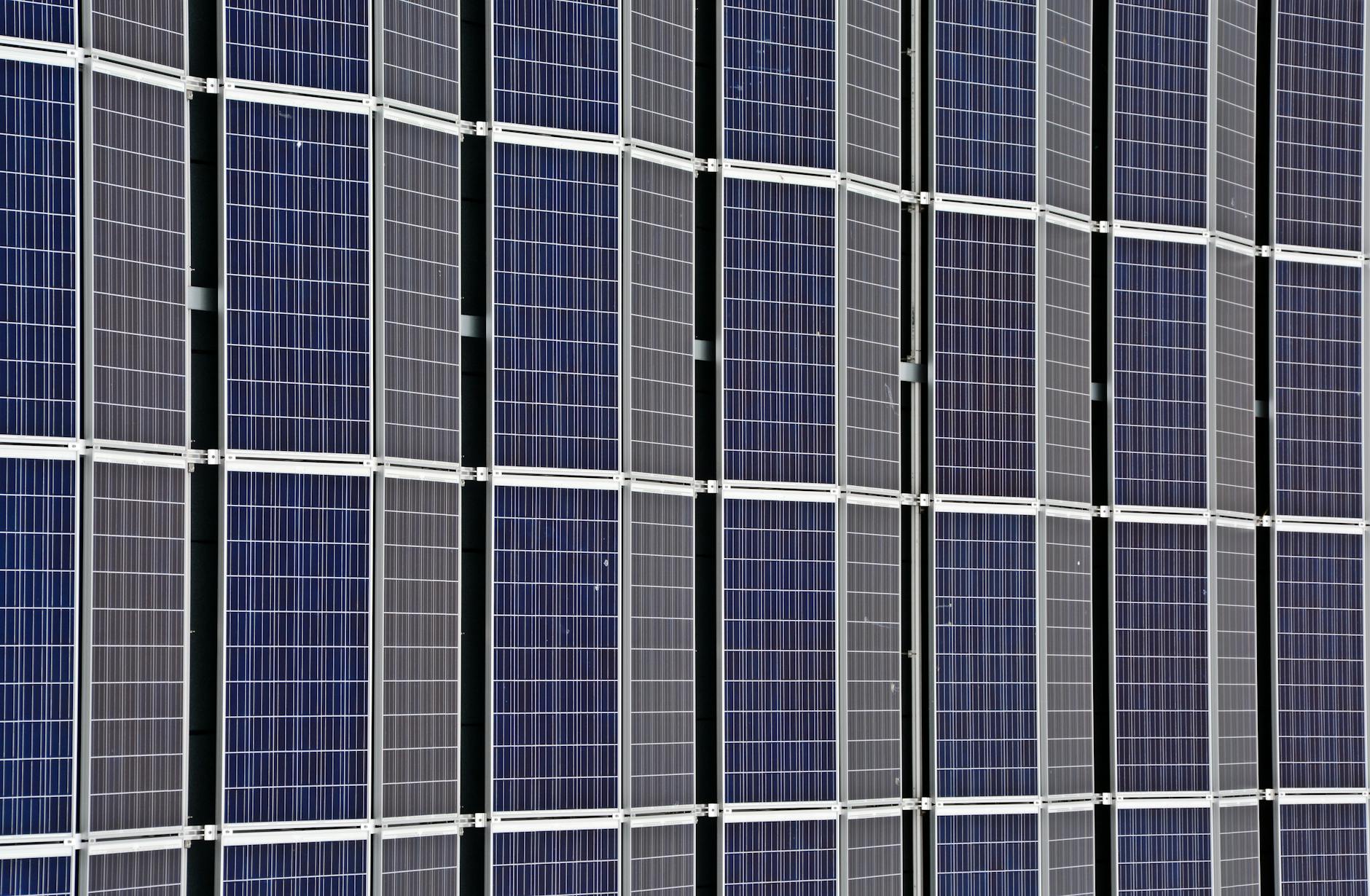
Beijing has increased offshore oil and gas production through higher-end exploration and marine engineering, and it has diversified suppliers across Russia, Central Asia, Africa, South America and the Middle East. It has been reported that U.S. criticism of Chinese purchases of Venezuelan and Iranian crude is driven as much by Washington’s sanctions policy as by market choices; Beijing, officials say, has bought cheaper barrels on market terms. At the same time China’s power mix — dominated by coal-fired baseload but rapidly supplemented by wind, solar and large-scale storage — has improved one-way resilience: electricity, not oil, supplies most of modern economic life. China’s primary energy self-sufficiency reportedly exceeds 80%, a buffer Western states lacking large domestic energy sectors would envy.
Limits and geopolitics: why the transition is not risk-free
Still, vulnerabilities remain. Strategic petroleum reserves anywhere can blunt price spikes only temporarily — G7 reserves would cover only a few months of global demand at best — and a protracted shipping blockade would strain even the best-stocked systems. Transport electrification matters: it has been reported that new-energy vehicles made up roughly 12% of China’s passenger-car fleet in 2022 and could reach about 50% within a decade if current deployment trends hold, greatly cutting oil demand. But freight electrification and petrochemical feedstock needs are harder nuts to crack, and the domestic renewables and EV industries face intense “involution” and margin pressures that could slow rollout. Geopolitically, a durable drop in Chinese oil demand would ripple through oil-export-dependent states, reshaping fiscal and strategic alignments — a consequence with implications for sanctions, trade policy and regional influence alike.