Workers' "Ox‑and‑Horse" Bread Goes Viral: The Uglier It Looks, the Crazier It Sells
Ugly by design, viral by accident
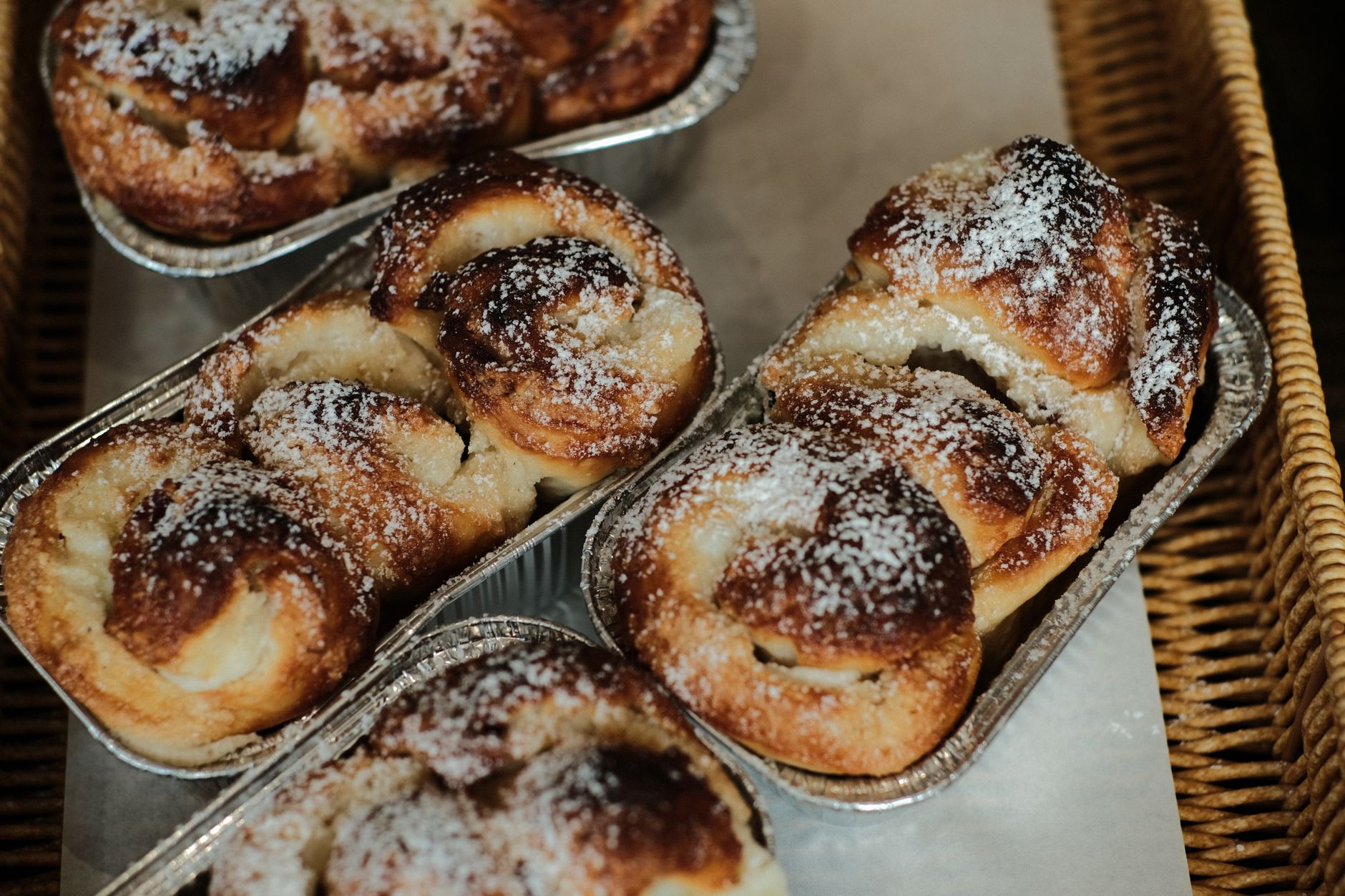
Holiland (好利来)’s new Year‑of‑the‑Horse novelty — the “奶油松松小马” cream pony — was priced at 15 yuan (≈$2.10) when it launched in February. The shop’s usual glossy, photogenic bakery aesthetic was abandoned in favour of something intentionally rough and asymmetrical. The result? What many called “too ugly” immediately became a hit: it has been reported that customers queued and scoured multiple stores just to find their chosen “ugly pony.”
Social platforms turned flaws into features
The bread’s inconsistent, hand‑made look — no two “ponies” the same — fed a wave of user posts and a grassroots “pick the ugliest” contest. Reportedly, social feeds filled with carefully curated selfies of winners and memes, accelerating the product’s spread far beyond Holiland’s marketing push. Beyond the spectacle, reviewers also weighed in on taste: the pastry combines cocoa dough, plain cream and pork floss; some worried it might be overly sweet, but most consumers called its sweetness restrained and its flavor pleasant.
Copycats, culture and the working‑class wink
Copycat products proliferated almost immediately. ole’ (ole’ 超市) rolled out “牛马面包/牛马蛋糕,” Caidiexuan (采蝶轩) sold a budget “马上有包” cream‑and‑pork‑floss bun for 5.5 yuan, and Bubugao (步步高) listed an “实习生牛马” for 9.9 yuan. The craze speaks to two current trends in China: a “ugly‑cute” (丑萌) aesthetic popular among young consumers and the blunt, meme‑driven language of workplace frustration — the “牛马” self‑deprecation that many urban office workers now use as a badge of identity. Is this playful authenticity or brands cynically mining a moment? Either way, the little misshapen breads are selling an experience as much as a snack.