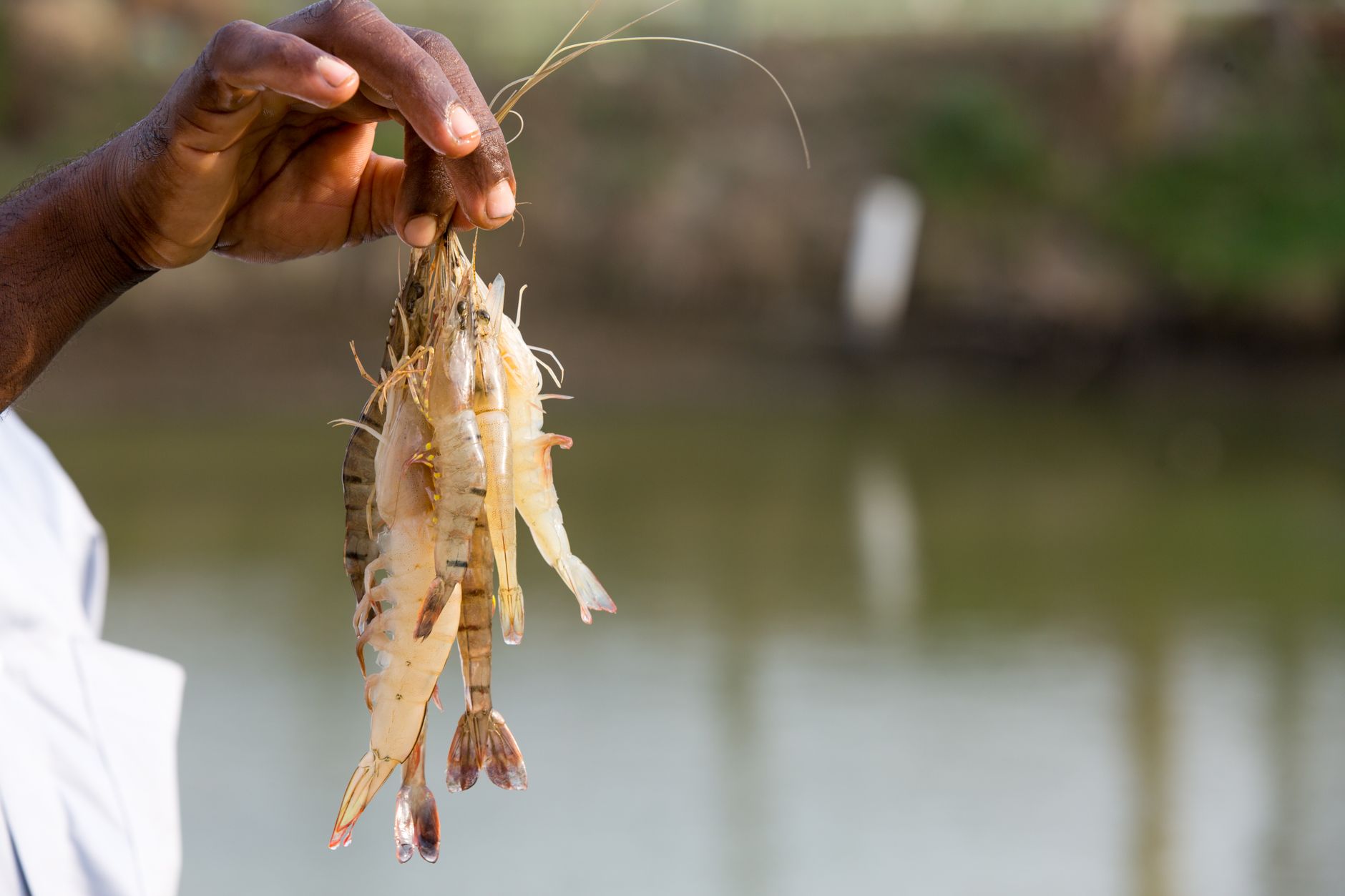
While China promotes shrimp farming for everyone, Meta bought a shrimp pond
Meta snaps up a small but strategic platform
Axios and other outlets have reported that Meta has acquired Moltbook, a niche social platform where AI “agents” — nicknamed in the ecosystem as “lobsters” or “shrimp” — post and interact without human users. Moltbook, originally built to host the OpenClaw agents’ conversations and an early experiment in agent identity and authorization, briefly made headlines after a hack produced a chilling fake post about agents building encrypted channels. It has been reported that the breach was later shown to be human-exploited, and that Moltbook’s founder will join Meta’s Superintelligence Lab reportedly on March 16.
Buying infrastructure, not chat logs
Meta’s interest, according to reporting, was not the rollicking forum of agent chatter but Moltbook’s mechanisms for proving an agent’s identity and authority — a nascent registry that would tell you which assistant represents whom and what it is allowed to do. Why the rush? Reports tie the move to Zuckerberg’s aggressive response after Llama 4 underperformed in 2025: a spending spree that included heavy recruitment and large strategic purchases — reportedly a multibillion-dollar stake in Scale AI and the $3 billion acquisition of Manus — aimed at stitching models, data and product capabilities into production-grade agents.
China’s big tech answer: put agents inside the chat window
Meanwhile in China, Tencent (腾讯) is betting on a different route: integrating agents into the place users already live. It has been reported that Tencent’s “top secret” project will put AI assistants directly in WeChat (微信) and QQ’s chat lists so they can call services via conversational flows rather than separate apps. Tencent has been hiring aggressively — reportedly wooing top researchers such as Yao Shunyu (姚顺宇) — while other Chinese firms including Alibaba’s Alipay (支付宝) and ByteDance (字节跳动) jockey for parts of the stack. The broader context is clear: this is as much about distribution and regulatory optics as it is about models. Cross-border talent moves and big-ticket acquisitions are playing out against a backdrop of U.S.–China technology competition and export controls on advanced AI hardware.
Why the chat window matters
Models will commoditize. Interfaces won’t. Who controls the daily chat window — WhatsApp, Messenger and Instagram on Meta’s side, WeChat and QQ in China — will control how billions of users meet their first agent-enabled services. So Meta buys a “shrimp pond” and Tencent seeds a shrimp farm. The technical questions remain — how do you authenticate millions of autonomous agents, who polices them, and under what legal regimes? — but the strategic answer is already forming: the platform that owns the conversation will own the era of agents. Who gets to be that platform? That is the real race.