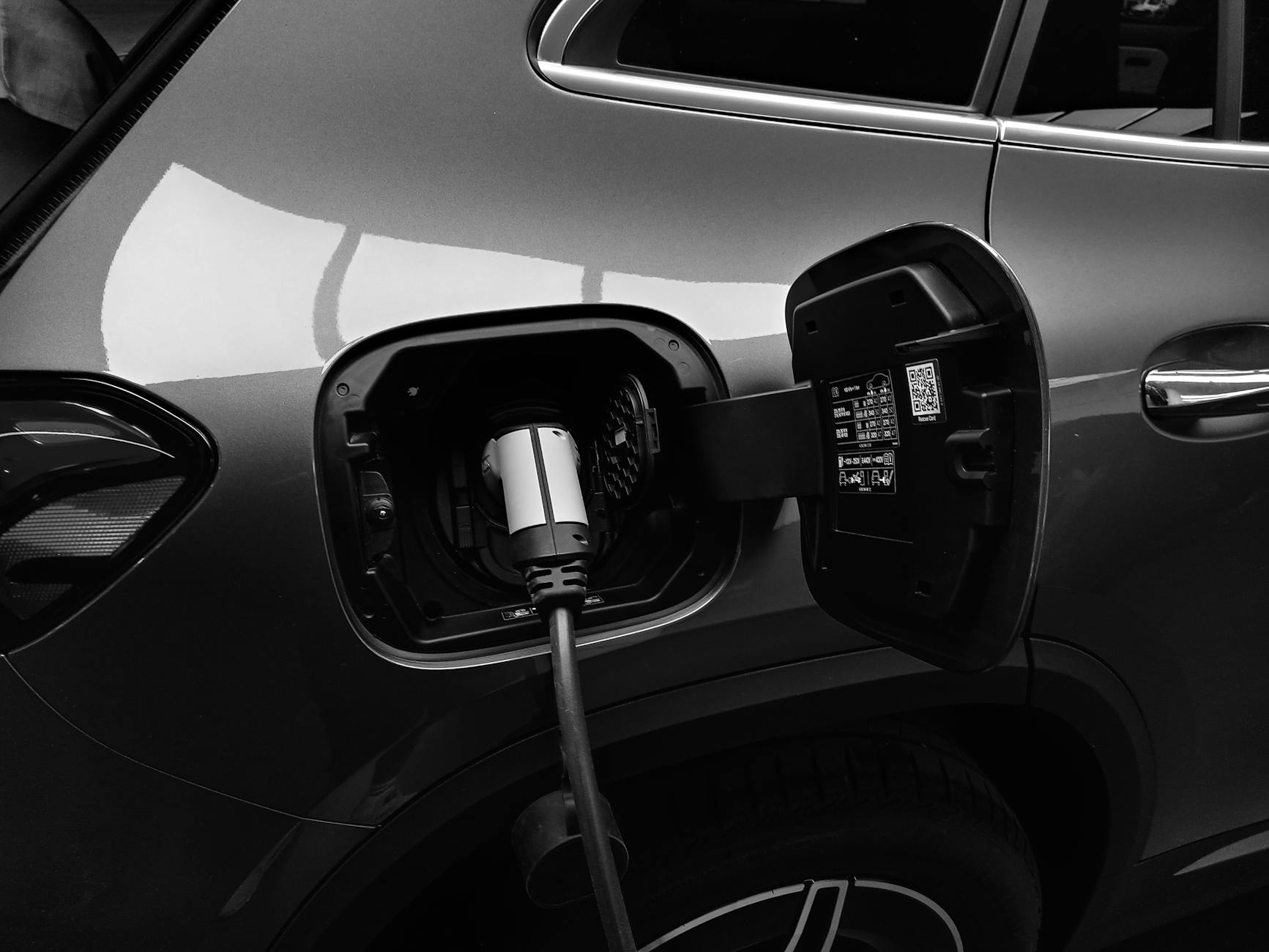
Selling Cars Doesn’t Make Money — Automakers Shift to Selling Electricity
Automakers are becoming energy companies
Automakers are quietly remaking themselves as power utilities. What began as ancillary pilot projects has become a strategic pivot: major carmakers are redirecting capital, factory floors and battery know‑how toward grid-scale and behind‑the‑meter energy storage. The bet is simple — batteries built for cars can be repurposed to store and sell electricity — and the market for that stored power is growing fast.
Moves at home and abroad
In China, Nio (蔚来) and Longi Green Energy (隆基绿能) launched a joint “solar‑storage‑charging‑swap” facility in Jiaxing. Geely (吉利) has set up Baoji Shanju Battery Co., Ltd. (宝鸡闪聚电池有限公司) to anchor a north‑west storage supply chain. Overseas, Volkswagen’s energy arm Elli has opened a large storage site in Salzgitter using cells from its PowerCo unit, and Ford is converting idle EV battery capacity in Kentucky into commercial storage production while pledging further investment. It has been reported that North America already has about ten plants repurposing EV battery lines toward storage, according to market researcher CRU, underscoring that this is a global reallocation of capacity — not just a regional fad.
Why storage makes money now
The economics are driven by surging demand and easy technology reuse. BloombergNEF estimates 92 GW / 247 GWh of new storage came online in 2025, with China accounting for more than half and the U.S. a distant second. Storage is moving from “nice to have” to grid necessity as renewables increase volatility and new loads — notably AI data centers — create intense, short‑duration power spikes. The IEA warns data‑center demand will more than double by 2026, creating an appetite for clean, ultra‑reliable on‑site power; batteries can stabilize grid swings in milliseconds. For OEMs, the manufacturing steps for EV cells and many grid battery products are nearly identical, lowering marginal costs and speeding time‑to‑market.
Strategic and geopolitical implications
This shift is not just industrial logic; it’s geopolitical strategy. Western incentives (such as the U.S. IRA) and supply‑chain scrutiny are pushing producers to localize battery and storage capacity, while China seeks to lock in domestic demand and circular supply chains from cell to recycling. Will automakers profit more from selling miles or megawatt‑hours? The early answer appears to be both: storage smooths utility revenues and leverages existing capital and skills when vehicle demand softens. Expect more factories to toggle between cars and electricity as regulators, utilities and hyperscale tech customers compete for reliable, on‑demand power.