With Every Family Owning a Car and Only an Hour Apart, Why Have Relatives Become "New Year Exclusives"?
Roads, cars and a surprising silence
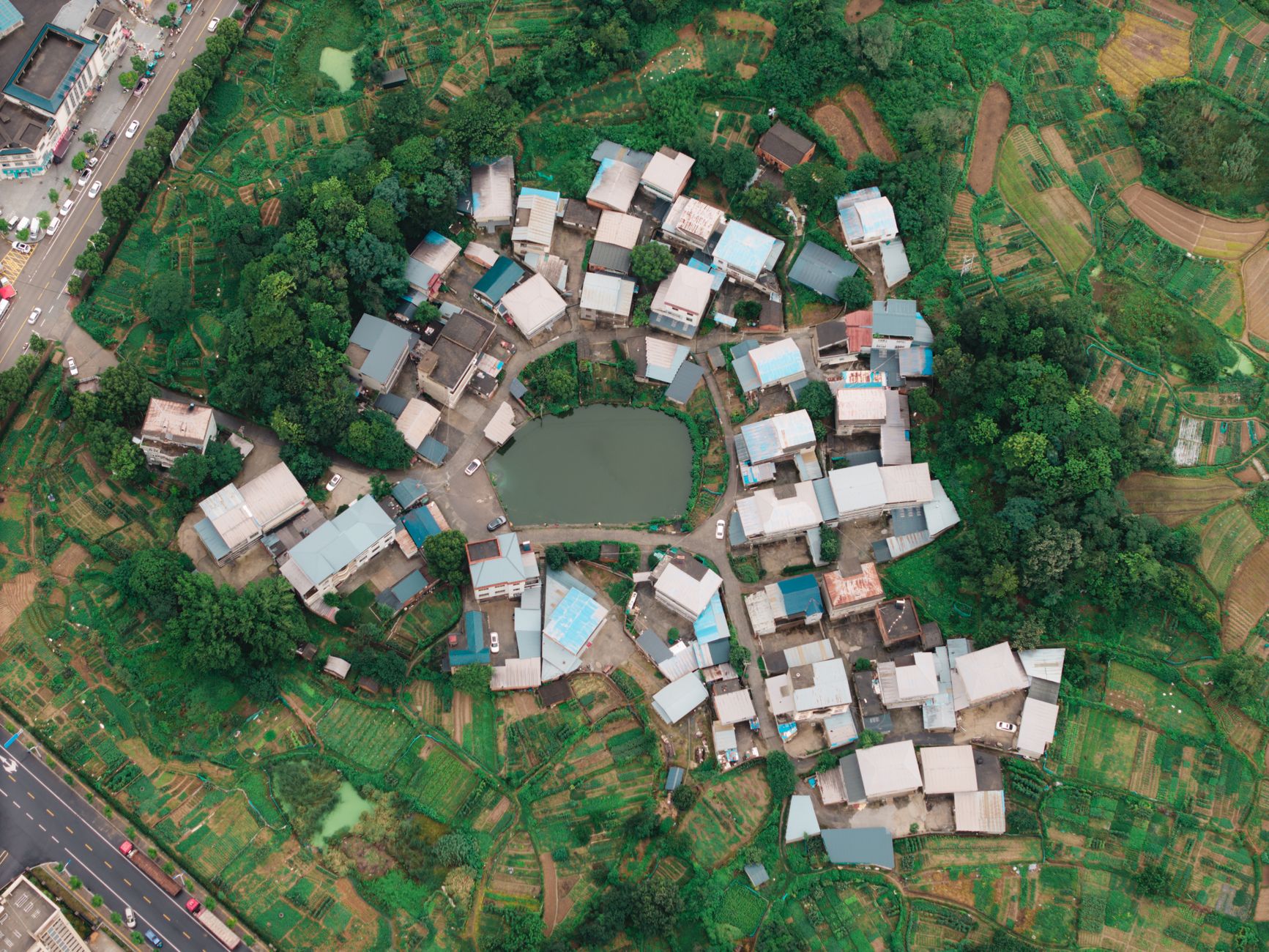
It has been reported that once-remote Chinese villages in the Yangtze River Delta now sit within an hour of county seats and cities, their lanes paved and driveways filled with family sedans. The picture is familiar: trunks full of New Year goods, dust from the expressway still on the wheels. But proximity has not produced the expected increase in everyday contact. Instead, relatives who once lived as a tight-knit daily community have become largely "New Year exclusives" — people you see mainly during the Spring Festival.
Modern mobility, fading obligations
Why did closer geography fail to preserve intimacy? Analysts and local residents point to several forces. Mobility and rising incomes have unshackled people from land-based survival: owning a second home in the city, commuting for work, or relocating for opportunity is now common. It has been reported that this economic independence reduces the urgency of frequent visits; when you can "go back anytime," you often go back less. Younger generations report feeling out of sync with older kin: different work rhythms, social networks anchored in cities and online, even language gaps when elders speak dialects and grandchildren use Mandarin.
Cultural and demographic headwinds
Demography compounds the drift. Decades of migration, the legacy of the one-child era and an ageing rural population mean many villages are physically full of houses but lightly inhabited outside holiday periods. Reportedly, many of these polished village homes function more as symbolic "roots" than as daily living spaces; core-family living replaces multi‑generational households. Tradition — the ritualised Spring Festival rounds of 走亲访友 (visiting relatives) — survives, but often as a duty rather than the habitual mutual aid that once bound communities together.
What policymakers and communities face
The trend matters beyond nostalgia. Social capital that once provided informal elder care, job leads and mutual support is weakening just as rural revitalisation campaigns urge return and investment in the countryside. Can policy, technology and new forms of community life compensate for the loss of everyday co‑residence? For now the scene repeats every year: a village lights up for a few days, then quiets — a reminder that shorter distances do not automatically rebuild the everyday ties modern life has loosened.