How did Cursor, once valued at $30 billion, become “outdated”?
A stunning reversal
Cursor — the AI-native code editor that once rode the generative-AI wave to an eye‑watering valuation of roughly $30 billion — has been cast as “outdated” by one of the most prominent early‑stage investors. It has been reported that Jerry Murdock, a co‑founder of Insight Partners (the New‑York based firm behind Twitter, DocuSign and Shopify), reached that verdict after looking closely at companies in his own portfolio rather than at macro reports. The contrast is striking: Cursor’s ARR reportedly surged from around $100 million in early 2025 to north of $1 billion by November, yet insiders say management warned staff of a turbulent few months and reprioritized work around a single P0: build the best programming model.
Tool versus autonomous builder
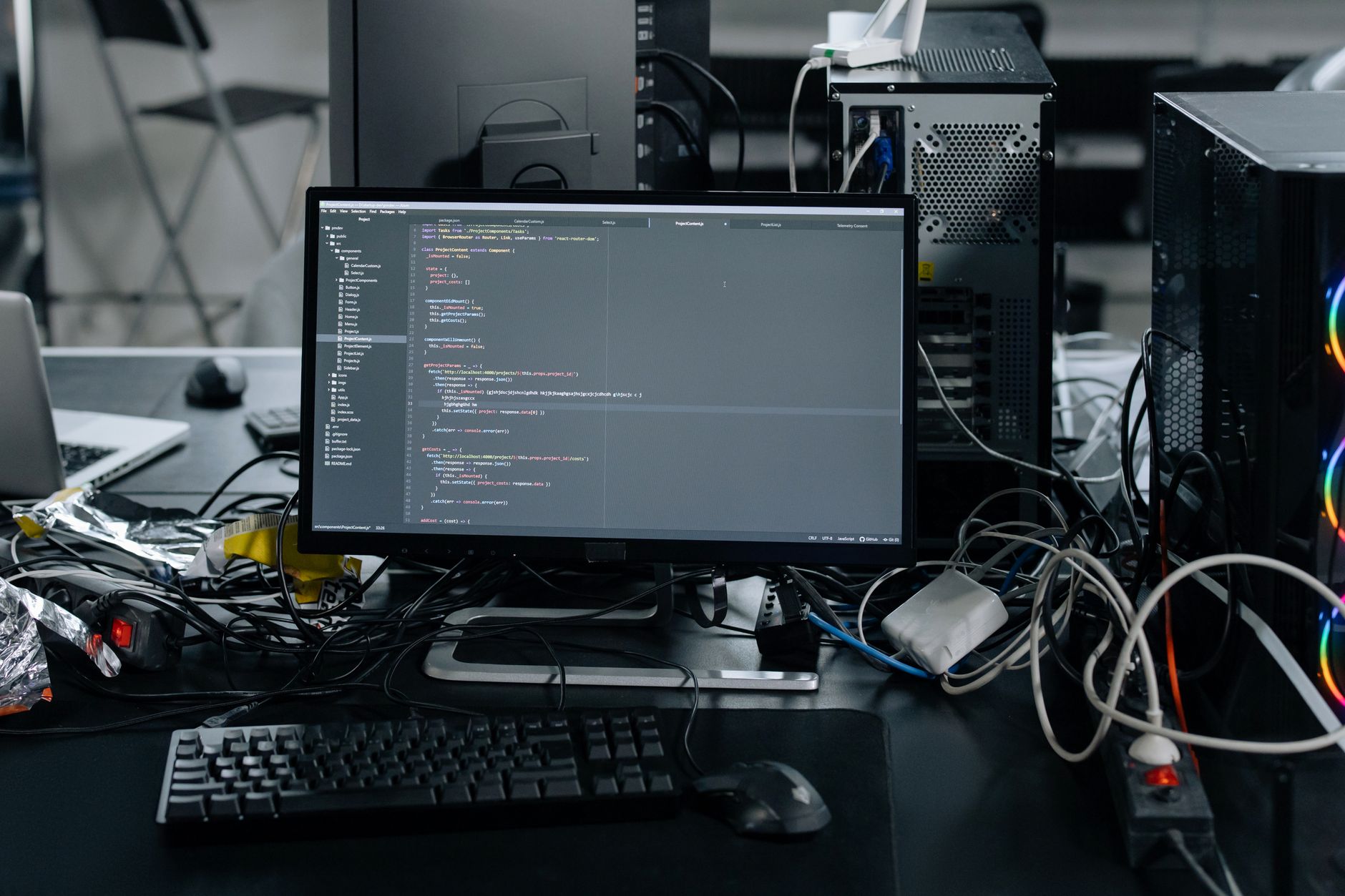
The core of the debate is product strategy. Cursor bills itself as an AI‑enhanced IDE — essentially a VSCode that deeply embeds AI to help developers navigate, edit and refactor large codebases. It’s a powerful tool. But rivals such as Anthropic’s ClaudeCode position themselves as more autonomous “AI programmers” that can plan, write, review and sometimes deliver full features with far less human orchestration. Which will developers prefer: a supercharged drill in their hands, or a crew that can build the house if you just point at the lot?
Economics, model supply and the mid‑layer squeeze
Cost and model strategy are where the cracks appear. Cursor adopted a model‑agnostic, “neutral” middle layer that lets customers switch between providers. It has been reported that Cursor defaults to a cheaper model called Sonnet while higher‑quality models such as Opus carry steep per‑token premiums; heavy use of those models can push inference costs to $20–$40 per hour, or thousands of dollars per month for intense users. By contrast, ClaudeCode users reportedly see lower monthly bills and better context understanding — translating into higher planning and delivery quality. Facing this pressure, Cursor has reportedly begun building its own models to avoid being squeezed by upstream suppliers.
Bigger picture: fragmentation and geopolitics
For Western readers, it’s worth noting the broader forces reshaping this battleground: a deluge of open‑source models and rapid improvements from providers including Qwen (by Alibaba, 阿里巴巴) have compressed margins and raised parity across vendors, while export controls on advanced chips and supply‑chain politics have made vertical integration more defensible. It has been reported that these geopolitical and technical frictions help explain why some companies betting on a neutral orchestration layer are now pivoting toward owning the stack. The question for Cursor is simple but existential: can it turn a best‑in‑class tool into a model‑driven, defensible platform — or will the market reward those who control both the models and the apps?