Your Lobster Might Be Naked: A Hair‑Raising Paper Sets Off Food‑Safety Questions
A surprising claim, and a nervous market
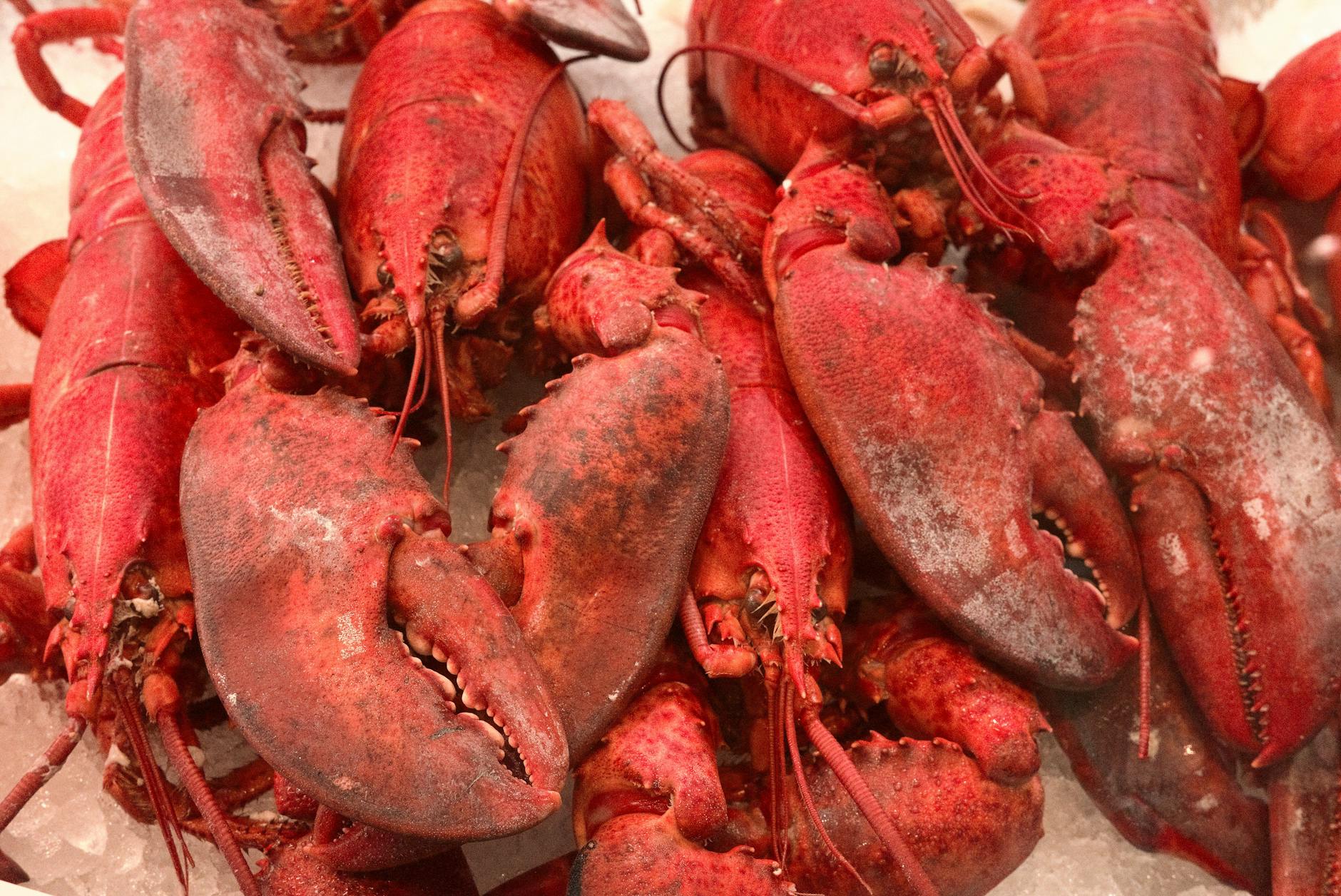
A recent academic paper — and the coverage that followed — has sparked fresh concern about shellfish sold across China: researchers reportedly found that some lobsters sampled from markets and aquaculture farms show marked loss of external setae, the tiny hair‑like structures on their shells, leading some commentators to call them “naked.” It has been reported that the finding first picked up wide attention after a Chinese technology and culture outlet ran a summary of the study and its potential food‑safety and quality implications.
What the paper says — and what remains unclear
The paper reportedly documents observations of reduced setae density in a limited number of specimens and raises several possible explanations: environmental pollutants, microplastics, aquaculture stress, disease or warmer waters altering molting cycles. The authors note that the finding is preliminary and calls for larger, systematic sampling and laboratory verification. In short: intriguing results, but not yet a definitive portrait of a nationwide problem.
Why consumers and regulators care
Why does it matter? Setae play roles in sensory perception and cleaning for crustaceans; their loss could indicate animal stress and affect texture or appearance — factors that matter to consumers and exporters alike. China is a major player in global seafood production and trade, so any perceived quality issue can trigger greater inspection by importing countries and more stringent domestic oversight. It has been reported that some social‑media users in China reacted with alarm, while parts of the seafood industry pushed back, calling for careful science before policy moves.
What’s next
Scientists say follow‑up studies are needed: broader geographic sampling, controlled exposure experiments and testing for contaminants. Regulators will be watching too; a single paper can prompt more testing, but policy change usually requires corroboration. So ask the obvious question: is your lobster a one‑off curiosity or an early warning sign? For now the answer remains provisional — and a reminder that food, environment and public trust are tightly interlinked.