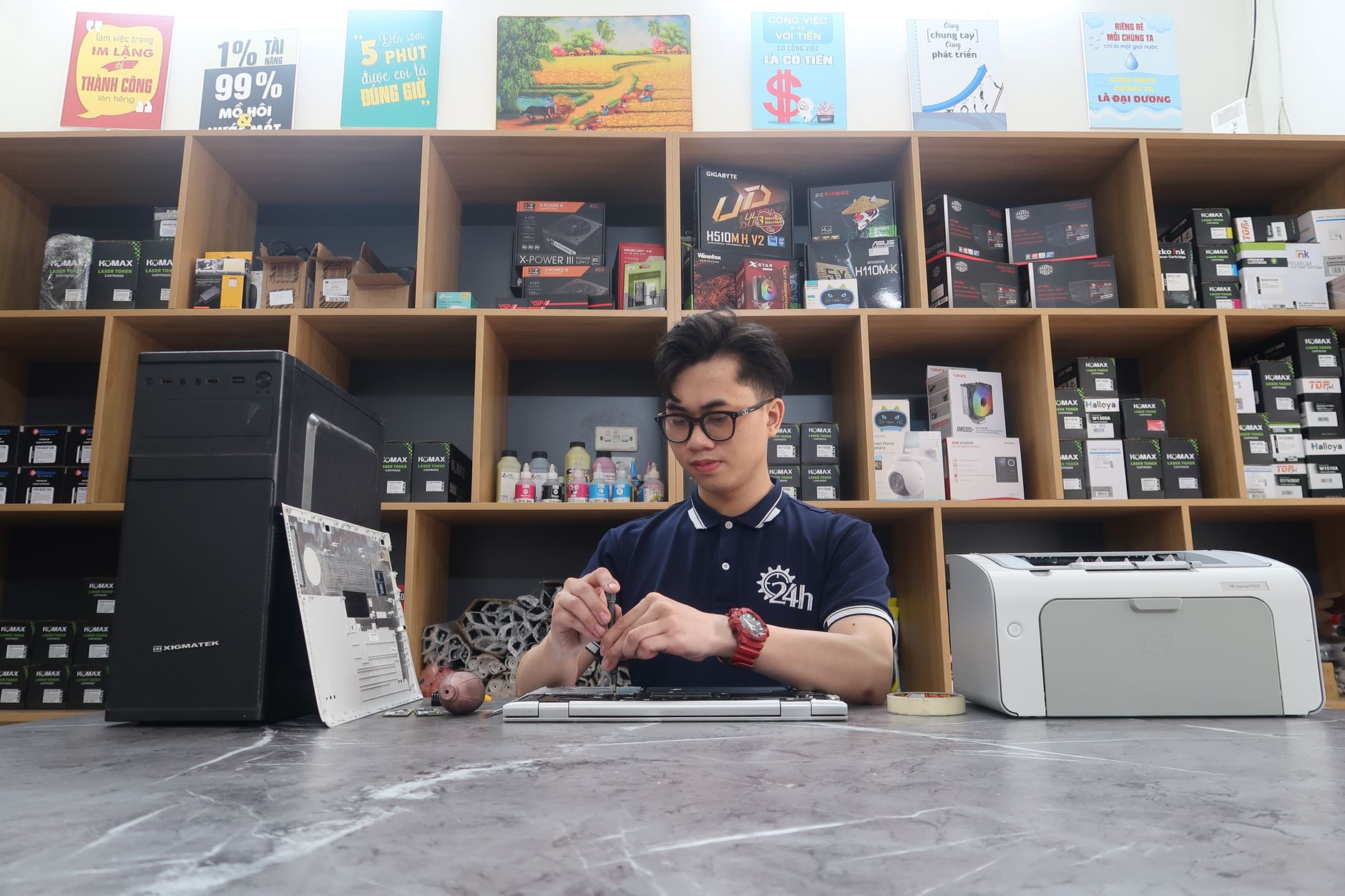
Unassuming hardware shops, huge money: how Zhejiang’s Yongkang (永康) became a hundreds-of-billions powerhouse
Quiet storefronts, enormous industry
Walk past the sparsely visited hardware shops that dot Chinese neighborhoods and you might miss the real story: these are the retail faces of an industrial cluster that generates municipal fortunes. Yongkang (永康), a county-level city in Jinhua (金华), Zhejiang (浙江), is the epicenter. It has been reported that about 30% of the world’s vacuum flasks, 80% of consumer massage guns and nearly 70% of residential security doors are produced in and around Yongkang — numbers that help explain why the local hardware (五金) sector’s annual output has breached the 100-billion-yuan mark (roughly $14–15 billion).
Wealth by the numbers
The wealth shows. Yongkang residents reportedly own a concentration of luxury cars rare for a city of under one million people. New-home prices in the city center approach 30,000 yuan per square meter, and per-capita GDP reached 134,119 yuan (about $18,800) in 2024 — levels that outpace many larger inland provincial capitals. Industrial statistics are stark: the city posted 1,048 billion yuan in above-scale industrial output (about $15 billion) with the hardware cluster accounting for over 90% of that output and more than 80% of local GDP. Twelve firms paid annual taxes in the hundreds of millions of yuan; dozens more contribute at the tens-of-millions level.
Deep supply chains, digital markets — and external risks
The cluster is ancient and specialized. Yongkang’s metalworking tradition stretches back millennia, and modern development created highly granular division of labor — villages and towns specialize in specific product categories, creating a full chain from raw materials to finished consumer goods. E-commerce and cross-border platforms accelerated a shift: Yongkang’s merchants now dispatch parcels at scale — around 871 million courier items in 2024 — and exports topped 382.57 billion yuan (about $5.4 billion) as companies reached overseas consumers directly. But export dependence means exposure to geopolitics. Trade policy shifts, tariffs or export controls could quickly dent demand and margins, and it has been reported that firms in the cluster closely watch regulatory moves in Europe and the U.S.
What’s next?
Yongkang’s strength is adaptability: its manufacturers can scale standardized runs and respond to highly fragmented, small-batch e-commerce orders. Together with fellow Zhejiang and Jiangsu centers — Yiwu (义乌) and Yuyao (余姚) in Zhejiang, and Qidong (启东) in Jiangsu — the region forms one of China’s most resilient hardware ecosystems. Yet questions remain: can the cluster maintain global market share amid rising trade friction and shifting global supply chains? For now, the answer lies in the same mix that built Yongkang — craft, networks, and a willingness to reinvent the old hardware trade for a digital age.