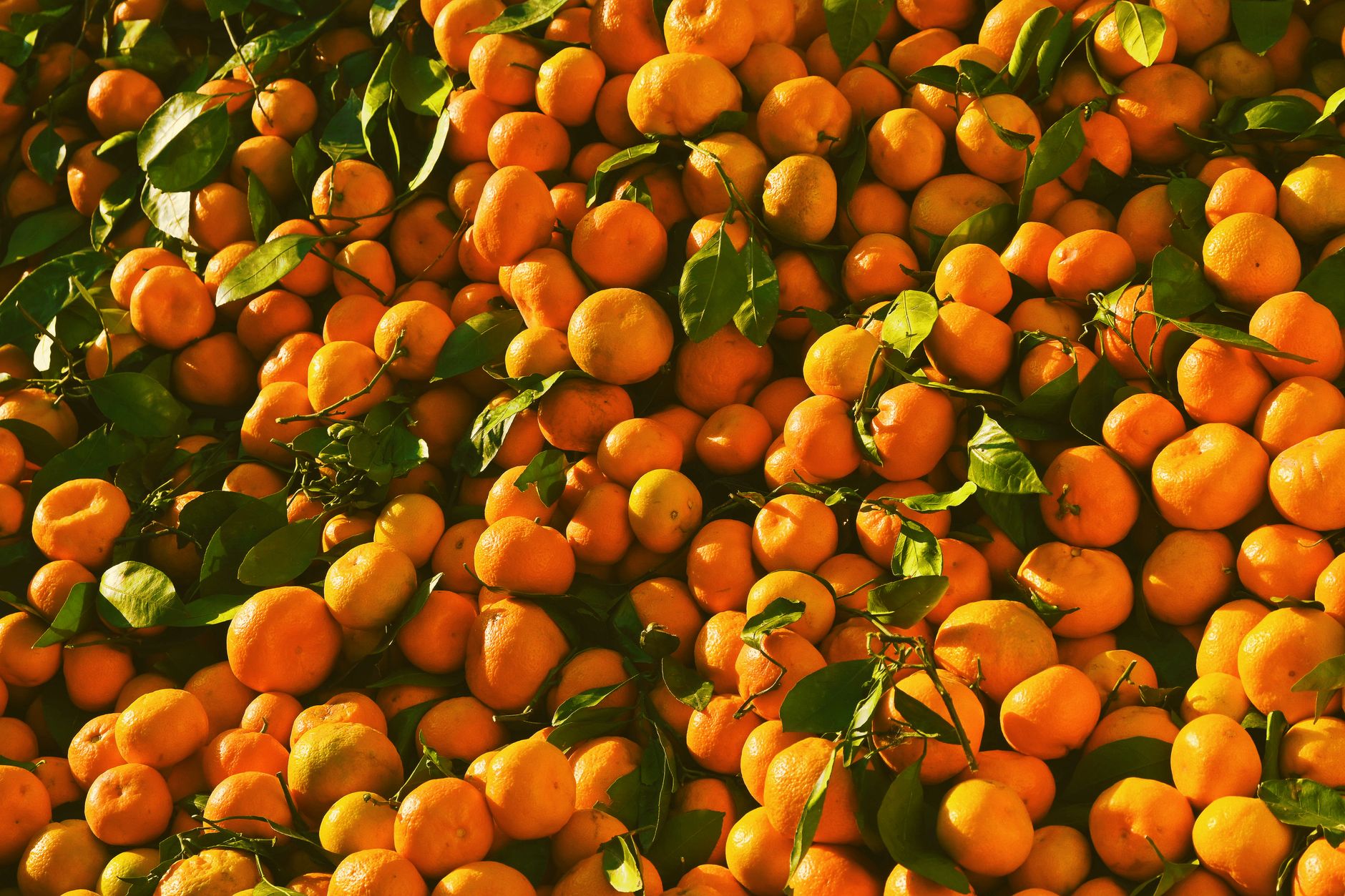
The Rise of Sugar Tangerines as the Ultimate Spring Festival Fruit in China
A Sweet Tradition
During the Spring Festival, sugar tangerines (砂糖橘) have firmly established themselves as the quintessential fruit, evoking nostalgia and joy for countless generations of Chinese families. While many fruits come and go, the sugar tangerine reigns supreme, often consumed in large quantities during family gatherings, games of mahjong, and while watching the annual Spring Festival Gala. The mere presence of this fruit brings a unique sense of ritual and emotional connection, serving as a symbolic anchor for many Chinese people during this festive season.
From Agricultural Roots to National Sensation
Historically, sugar tangerines have a rich heritage tied to Chinese traditions and agricultural practices. The fruit, which originated from Huangtian Village in Zhaoqing, Guangdong, has been cultivated for over 400 years. Initially known as "October tangerines," their popularity surged in the early 2000s, transforming them into a major agricultural product. By 2010, they had become synonymous with the Spring Festival, particularly as production expanded significantly in Guangxi province, which now accounts for one-third of the nation's total output. This regional brand positioning has solidified the perception of sugar tangerines as a festive staple.
Economic Factors and Cultural Impact
The sugar tangerine's rise can be attributed to more than just taste; it reflects broader economic trends within China. Once considered a luxury item, the price of sugar tangerines has fluctuated dramatically over the years. By 2023, they became accessible to a wide audience, with prices dropping to as low as 1-2 yuan per jin (approximately 0.5 kilograms). This affordability has democratized the fruit, making it a beloved choice across various demographics, from children to the elderly. In contrast, traditional fruits like apples and pears remain popular but have failed to capture the same level of collective affection as sugar tangerines.
The Season of Enjoyment
As the Spring Festival comes to an end, the consumption of sugar tangerines wanes, heralding the arrival of other seasonal fruits. From mangoes in March to peaches in June, the changing seasons bring a variety of flavors. However, the emotional void left by the absence of sugar tangerines is palpable for many. The fruit has become more than just a sweet indulgence; it represents a unique cultural phenomenon that reflects China's agricultural prowess and the collective joys of family gatherings. As the new season approaches, one question lingers: will the sugar tangerine continue to hold its crown in the hearts of the Chinese people?