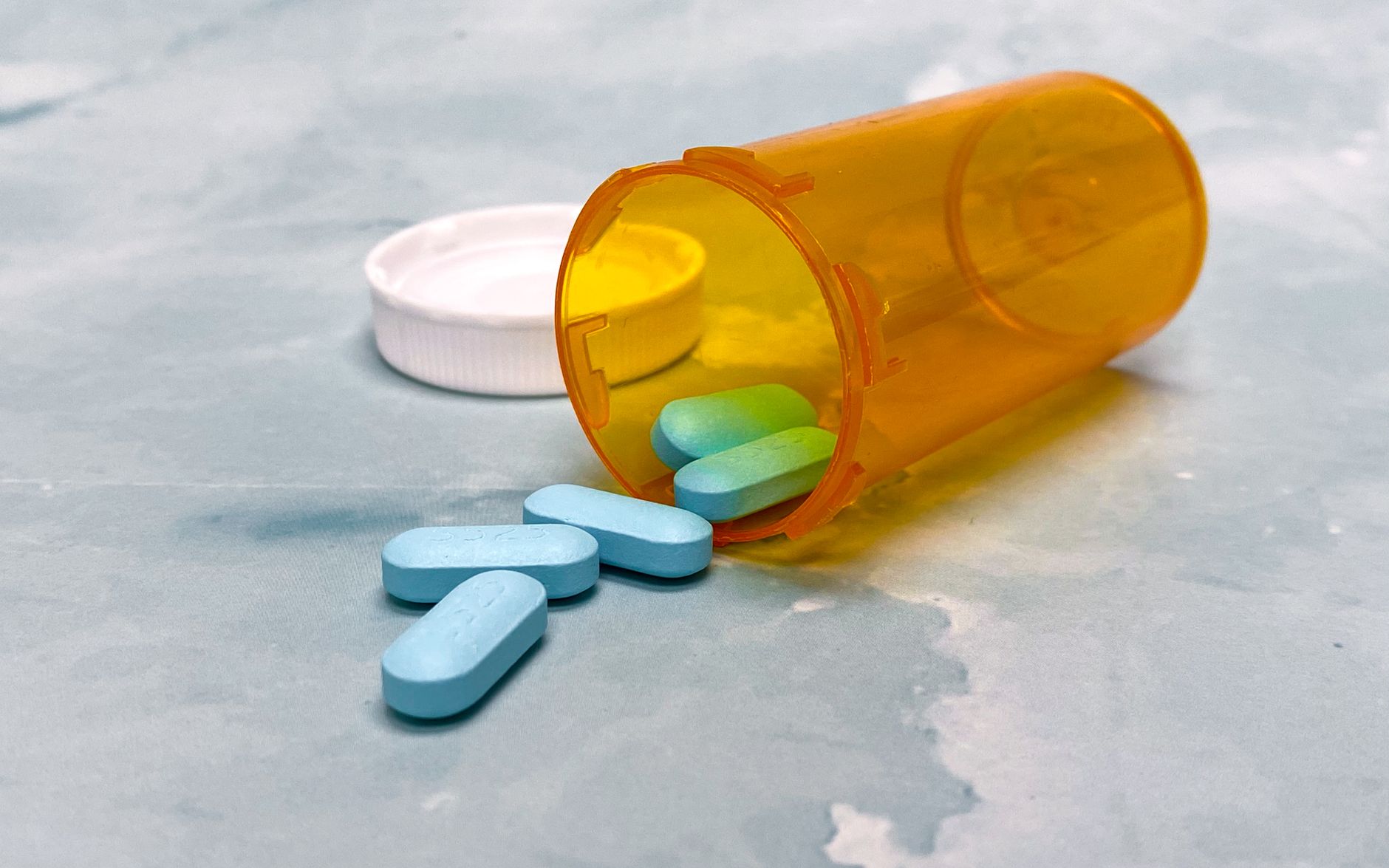
Pharmaceutical supply chain upheaval: Has China's opportunity arrived?
Shock to the system — why now?
A confluence of factors is forcing problems long ignored in the global pharmaceutical supply chain into plain view. Reportedly tighter controls on rare earths from Beijing and renewed US–Iran tensions that have disrupted Middle Eastern logistics hubs are exposing two brittle dependencies: critical upstream materials and efficient cross‑border transport. What happens when both break at once? Production delays, missed deliveries and rapid price spikes — not just higher costs, but the risk that medicines and devices cannot be made or shipped on time.
What’s at stake
High‑end devices such as MRI and CT machines, advanced radiopharmaceuticals like lutetium‑177, and tightly time‑sensitive items (radioactive doses, clinical samples, precision components) all rely on scarce inputs and fast logistics. When chokepoints form, companies face a cascade: export permits won’t guarantee cargo movement; restored shipping lanes may still leave supply tight and delivery cycles elongated. Western governments are responding: the US, EU and Japan are pushing reshoring and subsidies to reduce dependence — a geopolitical shift driven as much by national security as by industrial policy.
China’s opening — scale, integration and rising innovation
China’s chemical and pharmaceutical ecosystem is unusually integrated. From base chemicals and active pharmaceutical ingredients (APIs) through CDMO/CMO manufacturing, packaging and distribution, large parts of the chain exist at scale domestically. That matters now: resilience is not only about lowest cost, it’s about being able to substitute inputs, shorten lead times and sustain supply under stress. At the same time, China’s role is evolving from “workshop” to innovator — more domestic R&D, licensing deals and AI‑driven drug discovery are lifting its position up the value chain. If firms can combine stable supply with genuine innovation, their strategic value will rise.
Policy, payment and the path forward
Policy is aligning with industry: it has been reported that this year’s Two Sessions (两会) elevated biomedicine as an “emerging pillar,” signalling more than rhetorical support — expect funding, regulatory nudges and talent flows. At the same time, payment reform (commercial insurance, multi‑tiered systems) and AI‑enabled R&D could change commercial incentives away from me‑too generics toward differentiated innovation. The question for global buyers and policymakers is simple: can China translate scale into dependable, higher‑value capabilities without raising new trade and security tensions? If it can, the current upheaval may indeed be Beijing’s opening to reshape parts of the global pharma map.