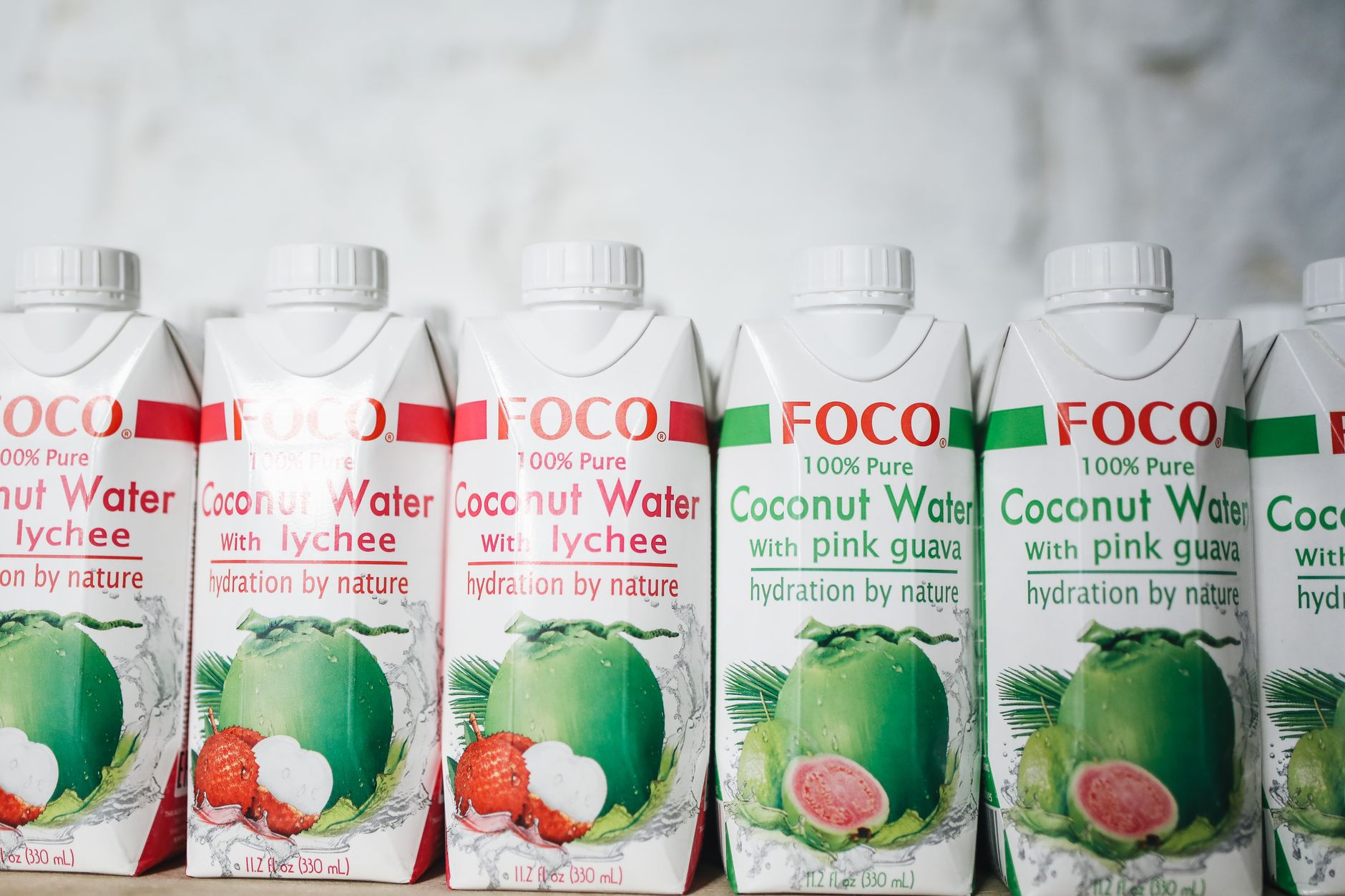
New National Beverage Faces Collective Counterfeiting: '100% Pure Natural' Becomes the Most Hurtful Lie
The Coconut Water Conundrum
In recent days, the booming coconut water market in China has come under scrutiny as consumers grapple with the shocking revelation that many products labeled as "100% pure natural" may actually be diluted with artificial sweeteners and added water. A study conducted by the New Beijing News Consumer Research Institute tested four popular coconut water brands, including those from established beverage giants and emerging e-commerce labels. The results were alarming: all four samples contained added sugars and three included external water, contradicting their "pure" claims.
This widespread practice raises a crucial question: how can consumers trust the purity of their beverages? Coconut water, once regarded as a health-conscious choice, is now tainted by doubts as enthusiasts turn to social media to seek reliable brands and learn detection methods. Unfortunately, the average consumer lacks the tools necessary to discern genuine products from counterfeits.
The Science of Detection
The debate over coconut water authenticity has been exacerbated by the lack of stringent regulations governing the industry. Currently, no mandatory national standards exist for coconut water in China, forcing reliance on generic fruit juice standards that fail to accurately assess the quality of coconut products. Reportedly, this creates a loophole for manufacturers to label their beverages as "100% pure" while still incorporating inferior ingredients.
To combat this issue, advanced detection methods, such as stable isotope fingerprinting technology, have emerged. This scientific approach analyzes the isotopic ratios of hydrogen, oxygen, and carbon in coconut water to verify its authenticity against established data from natural sources. By identifying discrepancies, consumers can better understand whether they are purchasing genuine coconut water or an inferior imitation.
The Price of Purity
As the coconut water market has rapidly expanded—growing from $10.18 million in 2019 to a projected $109.33 million by 2024—price wars have ensued, further muddying the waters of authenticity. Industry insiders highlight that the cost of sourcing and processing genuine coconut water inevitably sets a price floor. Low-cost options may tempt consumers, but they often come at the expense of quality and integrity.
With the rise of discount coconut water brands, consumers find themselves navigating a minefield of misinformation. Without proper regulation and clear labeling, buying coconut water has become akin to a lottery. As the industry grapples with these challenges, the question remains: will consumers ever regain trust in what was once considered a wholesome beverage? The answer may lie in the industry's ability to implement rigorous standards and transparency, ensuring that what is sold as "pure" truly lives up to its name.