Heavy Investment in "Cai Ming's Robot": CATL (宁德时代) Anxiety and Ambition
A high‑profile bet
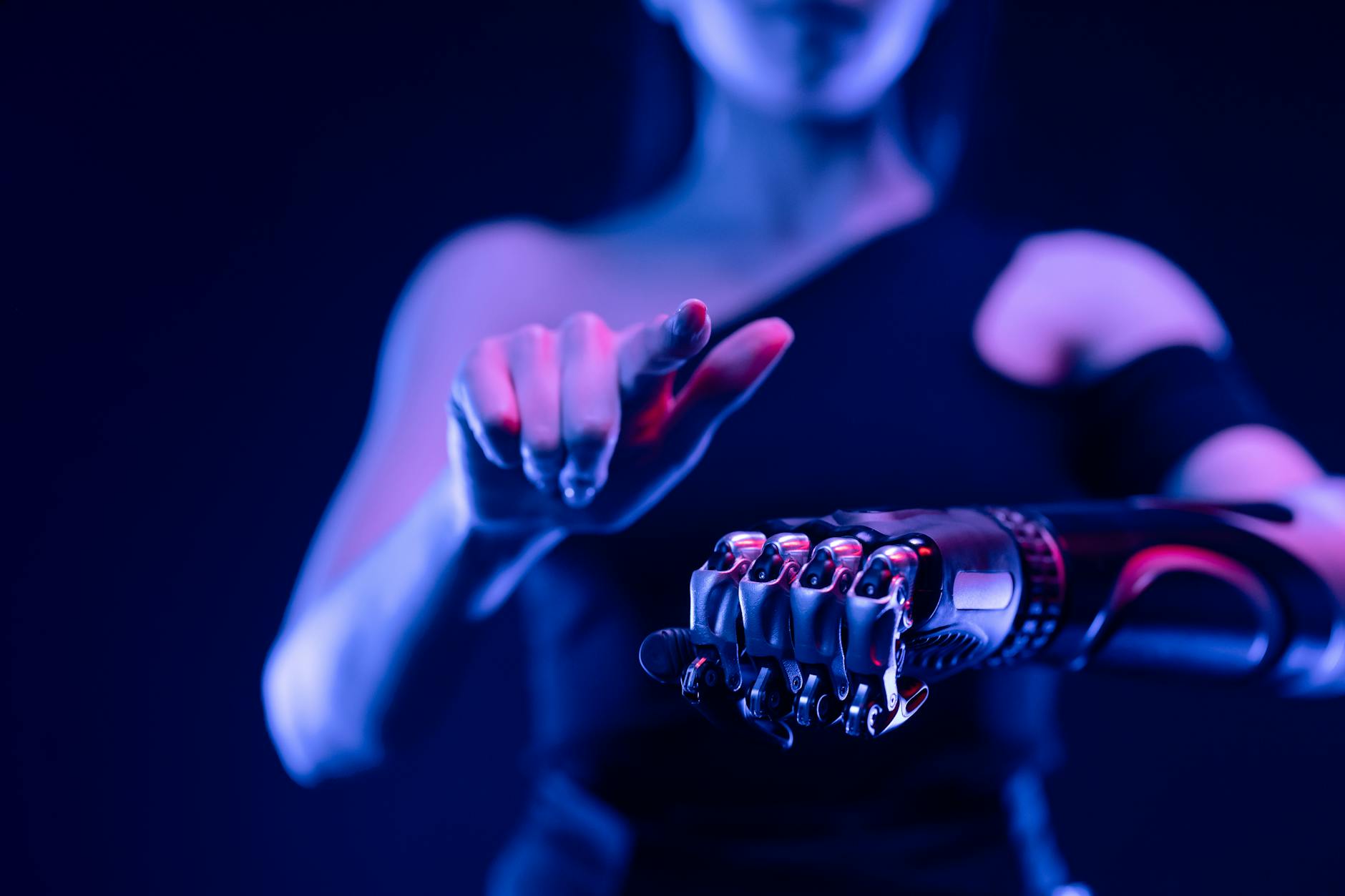
A surreal image from China’s 2026 Spring Festival Gala — actress Cai Ming (蔡明) sharing a skit with a bionic robot that looks “exactly like her” — has put a fledgling robotics startup into the national spotlight. It has been reported that Songyan Power (松延动力) announced roughly RMB 1 billion of cumulative B‑round financing on March 2, led by Chendao Capital (晨道资本), an industry investment arm affiliated with battery giant CATL (宁德时代). The splashy timing raises questions: is this theater, or a deliberate move by the world’s largest EV battery maker to seed a new market?
Battery margins and a strategic pivot
The move looks less like whimsy and more like corporate necessity. CATL reported revenue of RMB 2,830.72 billion for the first three quarters of 2025 and net profit of RMB 49.03 billion, but battery system gross margins have been under pressure — reportedly down to 22.41% in H1 2025 from 26.9% a year earlier, a far cry from the near‑44% margins seen in 2016. With China’s EV sales growth cooling and raw material cost swings squeezing profits, CATL and its investment arm appear to be pursuing “second‑curve” opportunities in embodied intelligence where demand for high‑performance, high‑value battery packs could offset cyclical exposure. Can humanoid and service robots become a meaningful revenue stream? Industry analysts say the robot market is still nascent and highly uncertain, but its battery needs align closely with CATL’s core expertise.
Tech hurdles, long horizons
Robotics pose different technical and safety demands than passenger EVs: limited internal volume, strict weight constraints, high peak‑power demands for motors and actuators, and complex charging/ swap regimes for continuous operation. It has been reported that TrendForce projects a dramatic rise in demand for high‑energy batteries in humanoid robots through the 2030s, and Chinese makers including CATL, EVE, and Furen have accelerated R&D into high‑nickel and solid‑state chemistries for robotics use‑cases. CATL has said it expects small‑batch production of all‑solid‑state cells by 2027; whether those cells can deliver the energy density, safety and cost metrics robots need is an open question.
Frenzy, risk and geopolitics
The Chendao–Songyan deal is the latest in a broader rush: other robotics firms have secured large rounds backed by national and corporate capital, and it has been reported that 2025 saw hundreds of deals in the embodied intelligence space totalling tens of billions of RMB. That financing boom sits alongside a chill in public markets — robot stocks have been volatile — and broader geopolitical headwinds such as export controls and supply‑chain scrutiny that are pushing Chinese firms to deepen domestic vertical integration. Betting on robots lets CATL potentially lock in new end‑markets and validate battery tech at smaller scales, but the payoff will likely take years. For now, the company’s move is as much about managing anxiety over shrinking margins as it is about staking a claim in what investors hope will be the next great consumer and industrial platform.