China’s 2026 “national auto subsidies” go live: lotteries, monthly quotas, and a patchwork of local models
The rollout
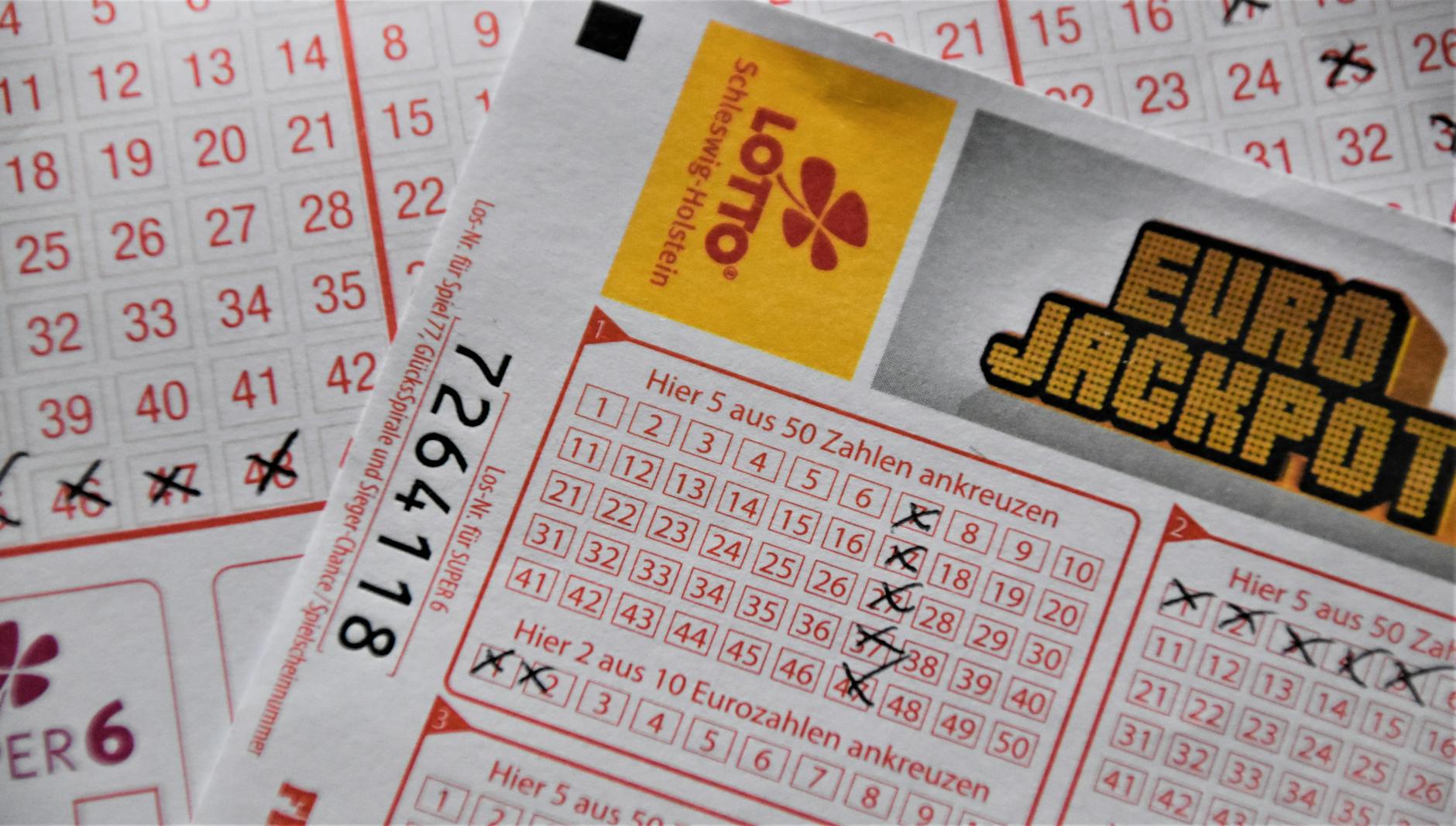
China has activated a new round of national-level incentives for car purchases in 2026, with many cities allocating subsidies by lottery and capping disbursements by month. According to business outlet Huxiu (虎嗅), funds are reportedly released on a monthly schedule and are being snapped up within days in several locales, prompting consumers to register early and dealers to recalibrate promotions around draw dates. The program’s core aim: stimulate demand, accelerate replacement of older vehicles, and, in many cases, tilt buyers toward new energy vehicles (NEVs).
Local models multiply
Huxiu reports a mosaic of regional approaches. Some jurisdictions run pure lotteries; others mix first-come-first-served windows with random draws to curb scalping. Caps vary by vehicle type and price band, and certain places reportedly require scrappage of an older car to unlock higher tiers. Several local governments are layering top-ups on top of the central subsidy, while others narrow eligibility to NEVs or to models that meet stricter emissions and safety standards. The result is a market where the timing, paperwork, and payout mechanics can change city by city—great for targeted impact, but confusing for buyers and dealers alike.
Market impact
The move marks a notable shift after China phased out national NEV purchase subsidies at the end of 2022 and leaned on trade-in incentives in 2024–2025. With domestic auto demand uneven and price wars compressing margins, the new scheme could buoy sales for leaders like BYD (比亚迪), Geely (吉利), SAIC (上汽), NIO (蔚来), Li Auto (理想), and XPeng (小鹏), especially if local top-ups favor electrified models. Will lottery-based access blunt the stimulus effect—or sharpen it by creating urgency? Much depends on whether monthly quotas expand and whether rules incentivize rural and second-tier markets where replacement cycles lag.
Geopolitics and outlook
The policy arrives amid export headwinds for Chinese automakers, including heightened U.S. tariffs on Chinese EVs and components and EU anti-subsidy duties—pressures that make domestic absorption of capacity more critical. It has been reported that regulators are watching for misuse and arbitrage, and may fine-tune eligibility, verification, and after-sales audit mechanisms as the year unfolds. Key signals to watch: the speed at which monthly funds are exhausted, any shifts in the NEV-versus-ICE balance, and whether regions expand support to charging infrastructure and used-car circulation to lock in lasting demand rather than a short-term sugar high.