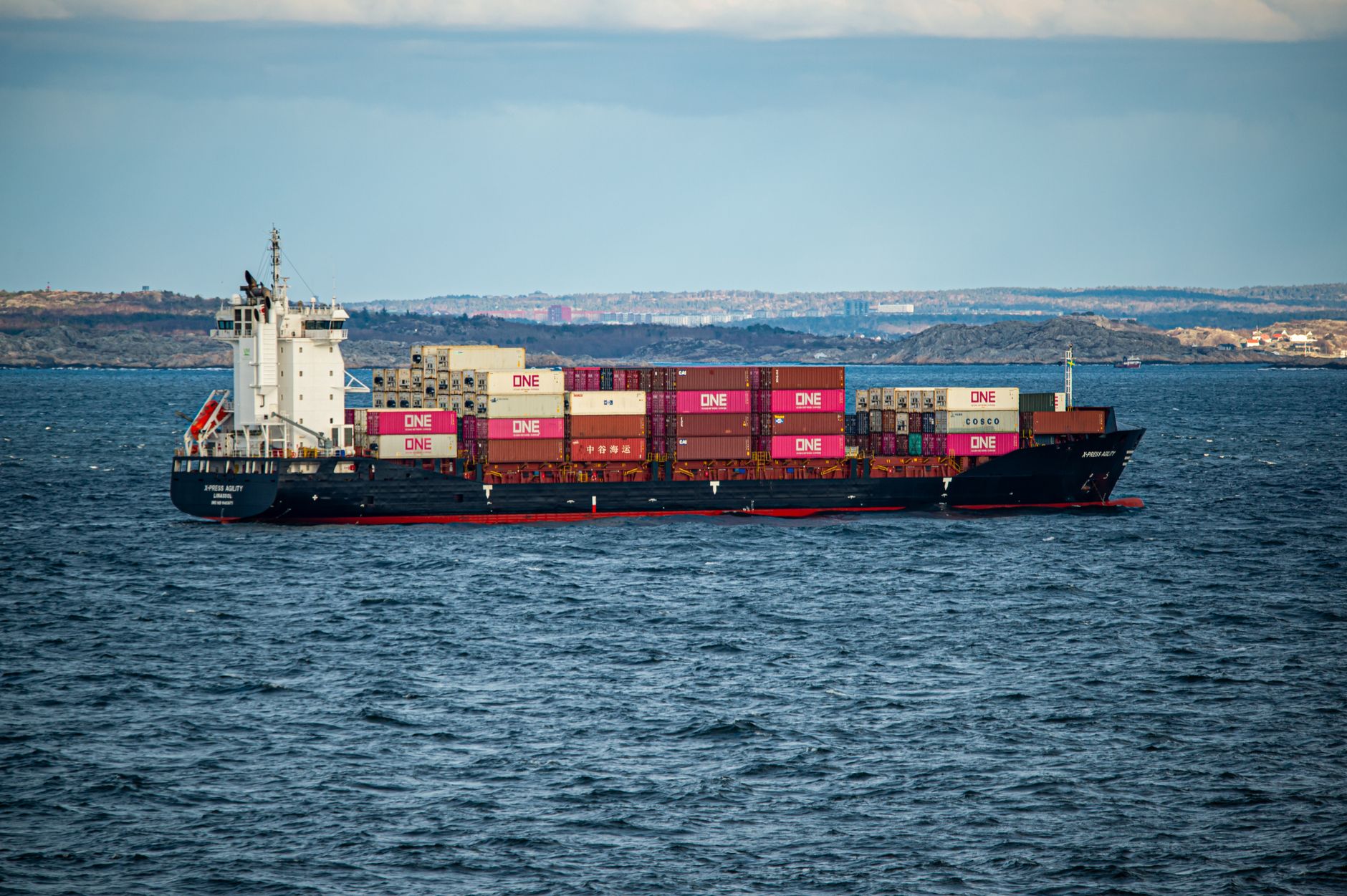
Chinese seafarers trapped in the Strait of Hormuz, awaiting an uncertain return date
Stranded after a sudden blockade
It has been reported that following a series of strikes involving the United States and Israel, Iran announced a blockade of the Strait of Hormuz and vowed it “would not let a drop of oil” through — a declaration that has left merchant mariners facing immediate danger and logistical chaos. Dozens of ships that had been queuing at Jebel Ali (杰贝阿里港) or routing through the Gulf suddenly found themselves unable to proceed; it has been reported that more than 150 vessels are now trapped in the wider Persian Gulf region or at the entrances to the strait. Chinese crews are among those caught: one freighter carrying 76,000 tonnes of ore with 24 Chinese sailors on board, and multiple tankers staffed entirely by Chinese seafarers, are anchored off port, their return dates unknown.
Life aboard: explosions, GPS blackouts and grinding uncertainty
Crew accounts published by Huxiu describe near-miss explosions, black smoke from struck supply platforms, and the eerie disappearance of GPS signals on navigation consoles — forcing officers to revert to radar echoes and manual plotting. Seafarers such as Xu Feng (徐锋) and Zhang Geyu (张鸽宇) describe nights punctuated by salvoes and the constant threat of being targeted when crossing the strait; it has been reported that at least ten tankers which ignored warnings were later hit. Commercial radio traffic has been intermittent, and insurers have reacted: it has been reported that the International Group of P&I Clubs suspended war-risk cover for the Gulf from March 5, a development that raises immediate commercial and safety dilemmas for operators and charterers.
Ripple effects for trade and risk management
Global shipping firms have largely rerouted or paused sailings through the region, and some reports indicate that large Chinese shipping players — China COSCO Shipping Energy (中远海能) and China Merchants Energy Shipping (招商轮船) — may have VLCCs and other tonnage in the area or adjusting schedules; these reports are being circulated but remain partly unconfirmed. The disruption underscores how geopolitical flashpoints translate quickly into supply‑chain shocks: insurance gaps, port congestion at alternative hubs, and higher freight costs are immediate consequences. For the seafarers now waiting at anchor, the key question is practical and human: when will it be safe enough to sail home? For now, the answer remains uncertain.