60 Lightning-Warehouse Brands, 11,806 Stores: 2026 Latest Roundup
Snapshot: rapid roll‑out, still unproven returns
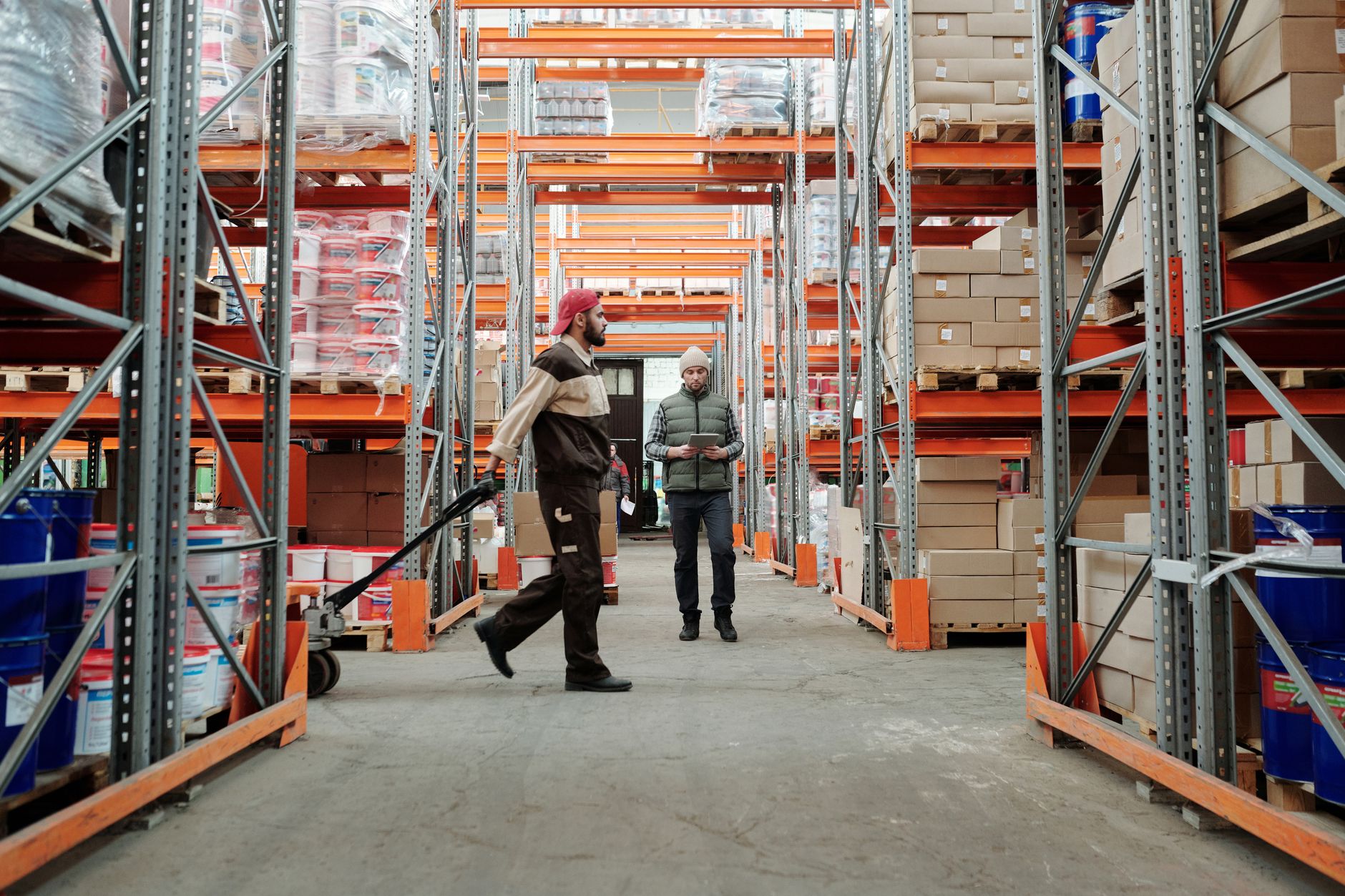
It has been reported that 60 "lightning warehouse" brands (闪电仓) operated a combined 11,806 physical locations in China in 2026, according to reporting by huxiu (虎嗅). Lightning warehouses are micro‑fulfillment sites—small urban depots stocked for 30–60 minute delivery—anchoring China’s instant‑retail boom. The scale is striking. But scale does not equal profitability.
What this means for China’s retail and platforms
The move toward dense, city‑level fulfillment has become a defining tactic for major players. Meituan (美团), Alibaba (阿里巴巴) and JD (京东) have each pushed variations of instant retail and dark‑store networks in recent years, while dozens of smaller brands and regional operators have raced to claim neighborhoods. Why the rush? Consumers want speed. Platforms want market share. Real estate owners and logistics vendors see new revenue streams. Yet unit economics remain tight, and it has been reported that many operators rely on heavy subsidies or cross‑subsidies from broader platform businesses.
Risks, regulation and geopolitics
The expansion comes against broader headwinds: slowing domestic consumption, higher urban rents, and continual pressure to reduce subsidy‑led growth. There are also supply‑chain and technology considerations. Automation, robotics and warehouse‑management systems are critical to lowering costs—areas where export controls and geopolitical tensions over advanced semiconductors could ripple into China’s logistics ecosystem. It has been reported that industry consolidation and tighter oversight of labor and delivery practices are likely next chapters.
Outlook: consolidation or recalibration?
Who will win this race? Expect consolidation and sharper differentiation. Some brands will double down on vertical specialization and neighborhood density; others will retreat or fold into larger platform partners. For Western readers, the headline number—60 brands, nearly 12,000 sites—shows how quickly Chinese instant retail can scale. The next test is whether that scale can be converted into sustainable margins without fresh rounds of subsidy and without running afoul of regulatory and geopolitical constraints.