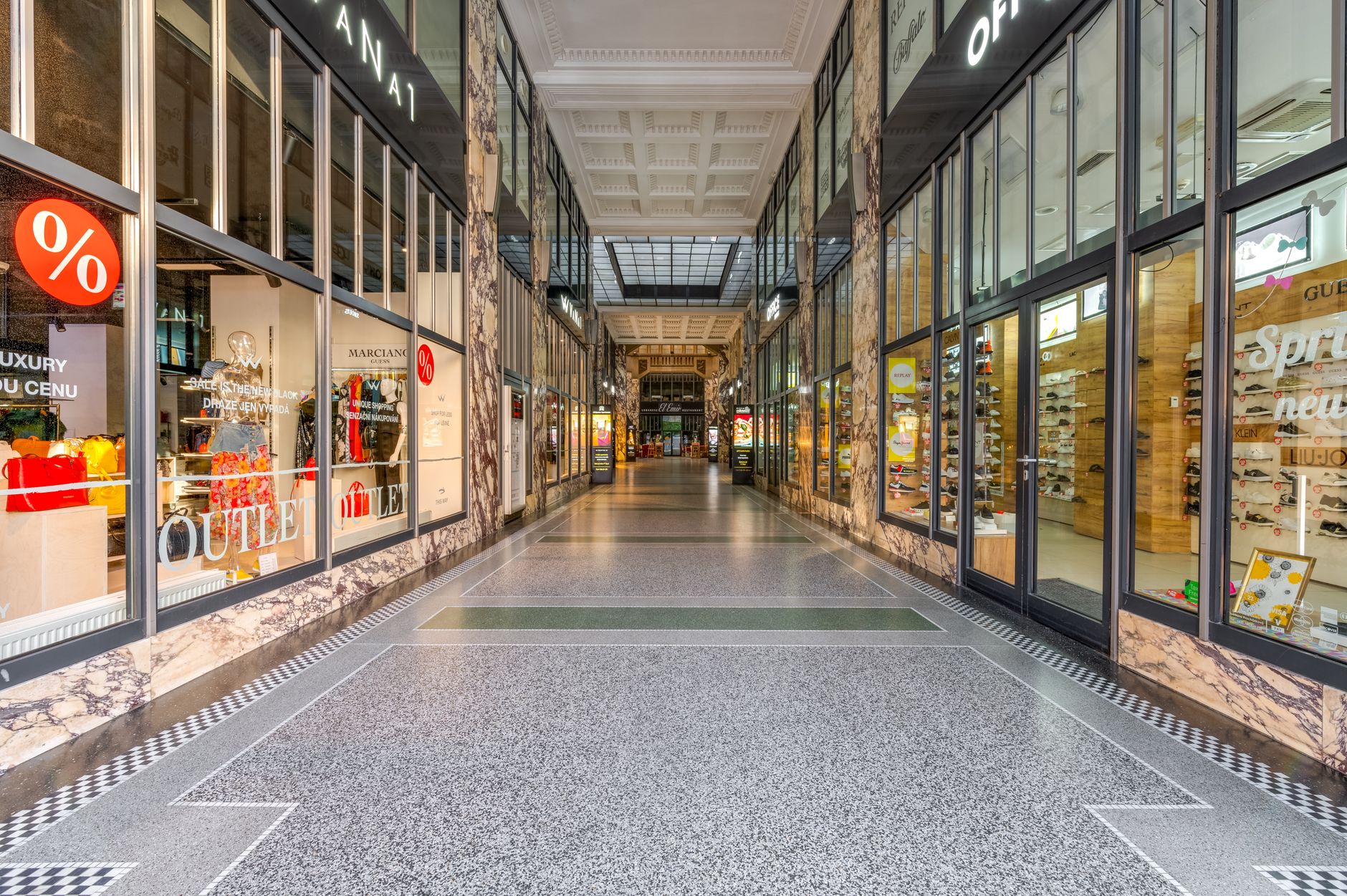
Shopping Mall B1, Accelerating Differentiation
B1's high-rent model under siege
The underground B1 floor that long served as malls’ busiest corridor is being forced to evolve. What looked like a natural flow of shoppers was actually a commercial model: high per-square-metre rents exchanged for high pass-by traffic. It has been reported that in some centres B1 rents per square metre now exceed those on the most prized first floors, a sign of how landlords have monetised transit-driven footfall. But the year-long “takeout coupon war” led by platforms such as Meituan (美团) has re‑shaped consumers’ price expectations and cut physical-restaurant ticket values, testing whether small food operators can still carry B1’s economics.
Experience over commodity
Data from Winshang (赢商) show that dining still accounts for roughly 45% of B1–B2 mixes across benchmark malls in 26 cities, but that headline share masks shifts beneath the surface. Street-facing quick-service outlets have taken the biggest hit — operators report roughly 20% less net income from online discounting — and many small-format leases are hitting a breaking point, with short trial contracts replacing standard one-year terms. Reportedly, mall managers are countering by curating “first-store” experiences and themed food streets that create purpose-driven visits that delivery cannot replace. Successful examples include Beijing’s Chaoyang Heshenghui (朝阳合生汇) and Shanghai projects that combine dining with novelty retail, anime and creative F&B concepts.
From retail attrition to curated magnetism
Traditional B1 retail — cosmetics, women’s wear, snacks and convenience supermarkets — is losing ground, squeezed by membership formats, specialty aggregators and declining relevance for impulse buys. Meanwhile, experience-led formats (self-service nail bars, interactive toys, themed food blocks, fitness and children’s play) are rising as landlords seek tenants that actively attract and retain visitors. Operators are trimming capex, simplifying fit-outs, and pairing low-ticket retail with high-dwell anchors so different visit motivations compound rather than cannibalise each other.
A strategic sieve for malls
The broader context matters: China’s mall stock is vast and growth of new projects is slowing. It has been reported that by end‑2024 there were about 5,685 shopping centres nationwide, and new openings dropped sharply — meaning footfall is concentrating on top-tier projects and the “hub dividend” is becoming a winner‑takes‑most market. Add ongoing regulatory scrutiny of platform subsidies and fierce platform competition, and you have a commercial environment where B1’s old formula — high rent for assumed passers‑by — is no longer guaranteed. The question for landlords and brands now is simple: can they turn B1 into something people will leave home for?