Blockade of the Persian Gulf: Oil and Gas in Chaos
Strait reportedly under military control, shipping snarled
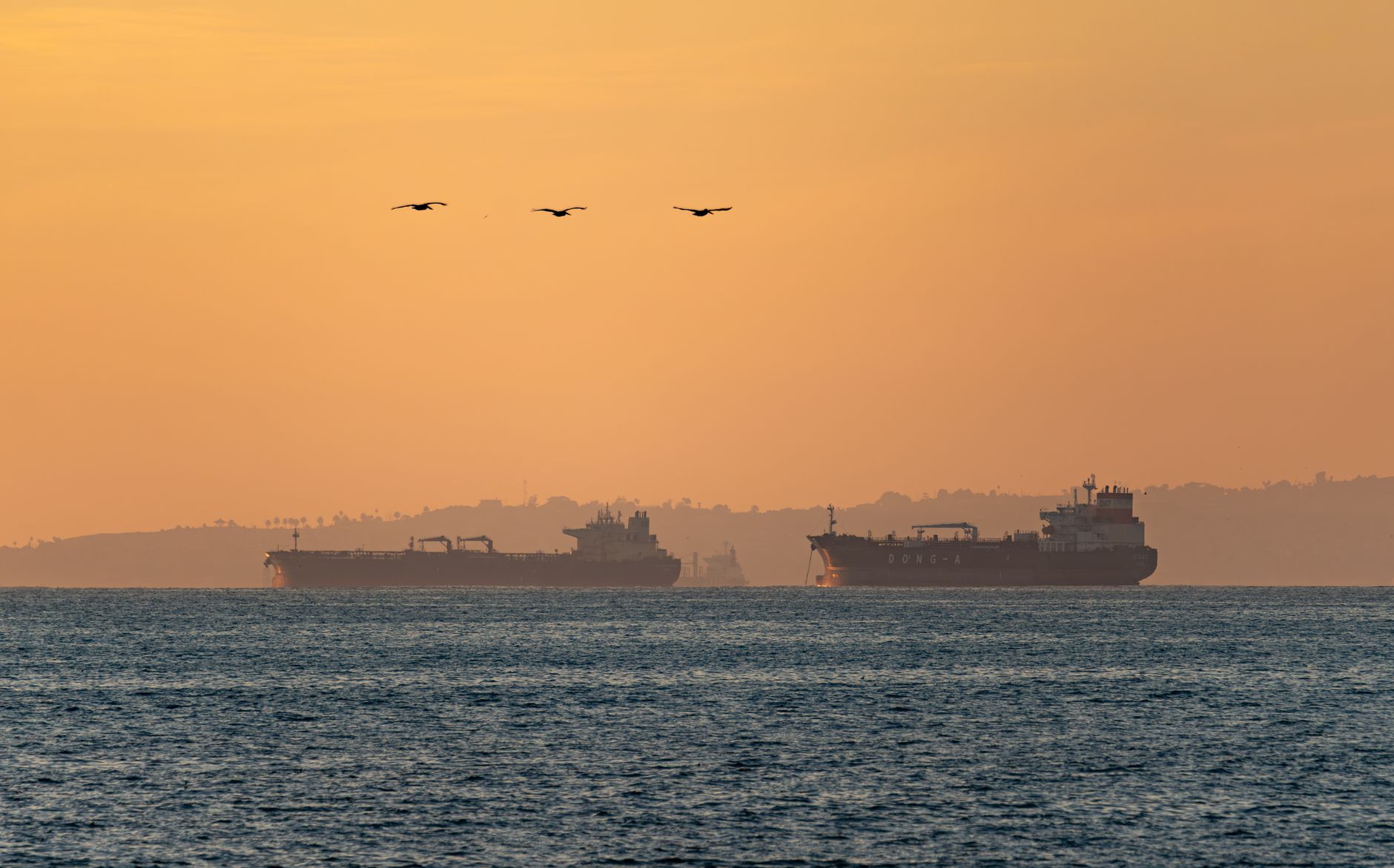
It has been reported that Iran announced military control over the Strait of Hormuz, and the Islamic Revolutionary Guard Corps (IRGC) deputy navy commander, Mohammad Akbarzadeh, reportedly said the waterway is “completely under Iranian naval control” and that more than a dozen tankers were hit and burned. The immediate result is a sharp rise in security premiums and a scramble by shipowners to avoid the route; insurers and charterers are increasingly forcing detours. By March 1, roughly 170 container vessels carrying about 450,000 TEU were stranded inside the Gulf, Huxiu reports — a dramatic congregating of tonnage in a channel that accounts for one of the world’s busiest energy arteries.
Global energy markets face a supply‑chain pressure test
About one‑fifth of seaborne crude oil trade and a similar share of LNG flows transit Hormuz, according to the U.S. Energy Information Administration, making the Strait the export lifeline for Saudi Arabia, Iraq, Kuwait, the UAE, Qatar and Iran. Iraq has already halted exports from the Rumaila oilfield near the Gulf mouth because storage tanks are full; Rumaila produces more than 1.4 million barrels per day. What happens when ports and tanks fill up but wells keep pumping? The market remembers April 2020, when WTI futures briefly went negative as storage ran out. Analysts now warn the same structural triad — blocked exports, full storage and production inertia — could re-create severe downward price shocks even while headline prices spike on short‑term risk premia.
The immediate market reaction is undeniable: freight rates, war‑risk insurance and spot energy prices have all jumped, with Brent crude trading near the high‑$70s and traders discussing the possibility of $100 per barrel in an extreme scenario. OPEC coordination, spare pipeline capacity to the Red Sea and financial market hedging can blunt the blow, but pipeline throughput is far smaller than the Strait’s capacity and cannot fully replace maritime exports. Asian importers — China, Japan, South Korea, India — are most exposed; Qatar also supplies roughly 15% of China’s LNG, so Asian gas markets remain vulnerable even as Europe has diversified since 2022.
Geopolitically this is a high‑stakes test. Sanctions regimes, U.S. naval deployments and the prospect of broader conflict complicate any rapid fix, while an extended disruption would raise long‑term risk premia for global energy. Short term: expect more routing around Africa, higher costs and volatile prices. Longer term: the episode underscores a basic truth of modern energy security — it’s not just how much oil lies underground, but whether a narrow, 33‑kilometre chokepoint stays open.