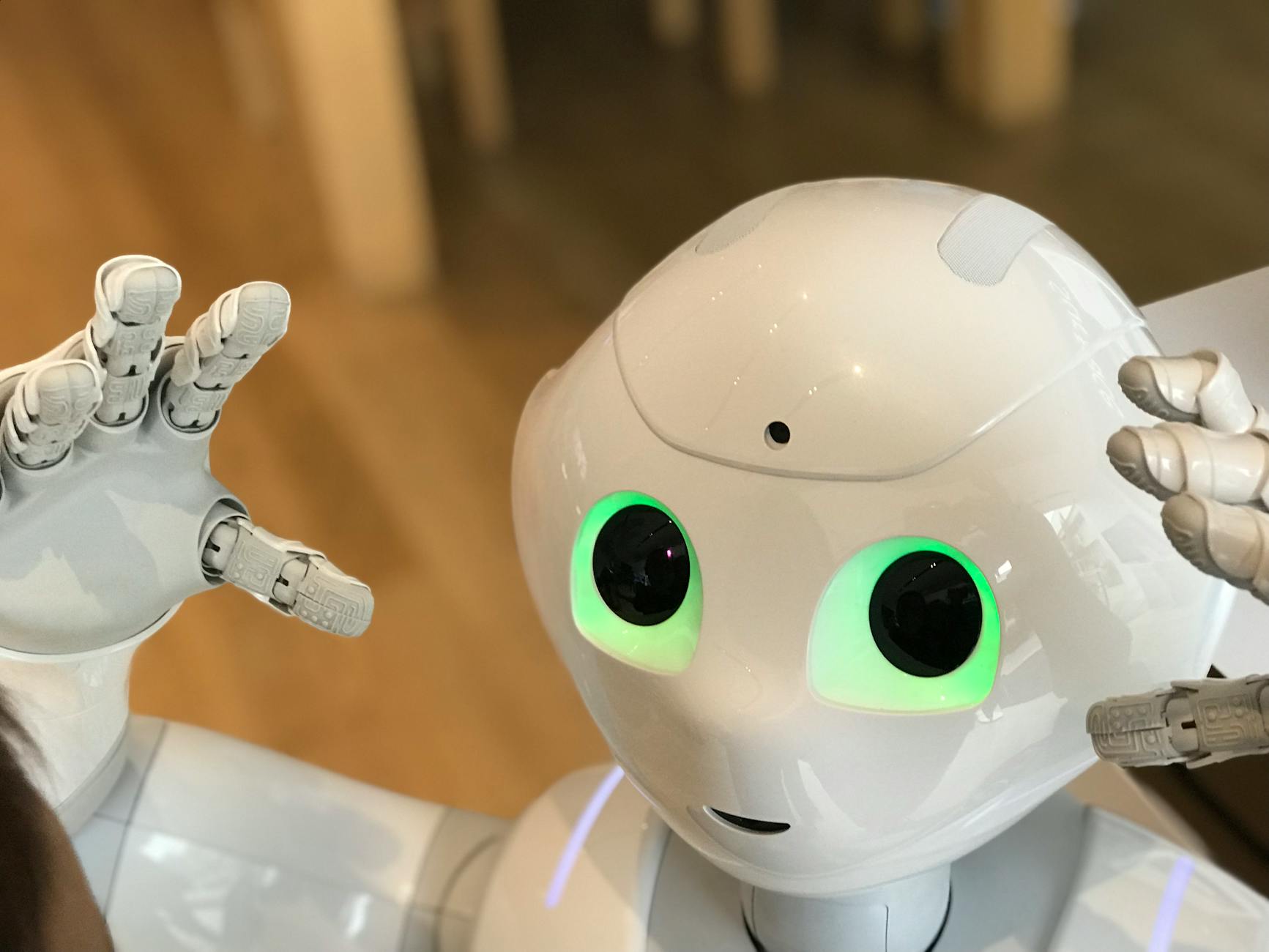
The “Demonized” AI and the Easily Overlooked Opportunities
Fear sells, but reality is messier
Huxiu reported a pair of widely circulated essays that captured global anxieties about artificial intelligence: one framing AI as an integrated combat decision-maker, the other—Citrini’s THE 2028 GLOBAL INTELLIGENCE CRISIS—warning of an “intelligence‑displacement spiral” that could choke demand and trigger a financial reset. It has been reported that some commentators have even invoked nightmarish scenarios like “one‑click missile launches.” Technically and operationally, those extremes remain far from feasible. Human oversight still supplies goals, constraints and final verification—AI today produces suggestions that require human calibration and correction.
Practical wins from unexpected places
Anthropic’s recent hackathon with Claude (Anthropic’s large‑language model) underlined a different narrative: tools that amplify domain expertise. Winners were not veteran programmers but a lawyer and a cardiologist who used Vibe Coding to build problem‑focused apps. One tool, CrossBeam, automates revision advice for California ADU (accessory dwelling unit) permit rejections—applications whose median approval time in San Francisco has been reported at 627 days—cutting weeks or months of back‑and‑forth. Another turns clinical notes into personal patient assistants to improve post‑discharge care. The lesson? Domain knowledge + promptable models can unlock value without traditional engineering teams. Will that replace programmers? Not yet. Hiring for software engineers has reportedly grown, and engineers who translate business problems into resilient systems remain highly prized.
Markets, compute limits and geopolitical friction
The market reaction to AI has been volatile—some declared a “SaaSpocalypse” as software stocks slumped—but enterprise adoption metrics show more nuance: many firms still prefer SaaS for lower total cost of ownership and mature ecosystems. Certain SaaS niches—those backed by proprietary, high‑quality data or embedded in enterprise workflows—look defensible. At the same time, compute is a practical choke point. Popular generative apps are already facing multi‑hour queues for consumers; building large datacenters takes years. Geopolitical headwinds matter here: export controls on advanced semiconductors and broader trade frictions have raised the cost and complexity of expanding compute globally, which in turn limits how fast AI can scale into fully autonomous roles.
Reframing the debate
The real story is neither apocalypse nor utopia but redistribution—of tasks, of profits, and of required skills. Technology tends to reshape industry value chains rather than simply erase them. People who ask better questions, understand problems deeply, and can couple human judgment with model outputs will likely benefit. The headlines may dramatize AI as a demon or a savior. The quieter, more consequential trend is practical augmentation: AI amplifies certain human capabilities while exposing its own limits—technical, economic and political.