Changchun "Snow Cake Monkey" Goes Viral — Young People Celebrate Ordinary Heroism
Viral moment
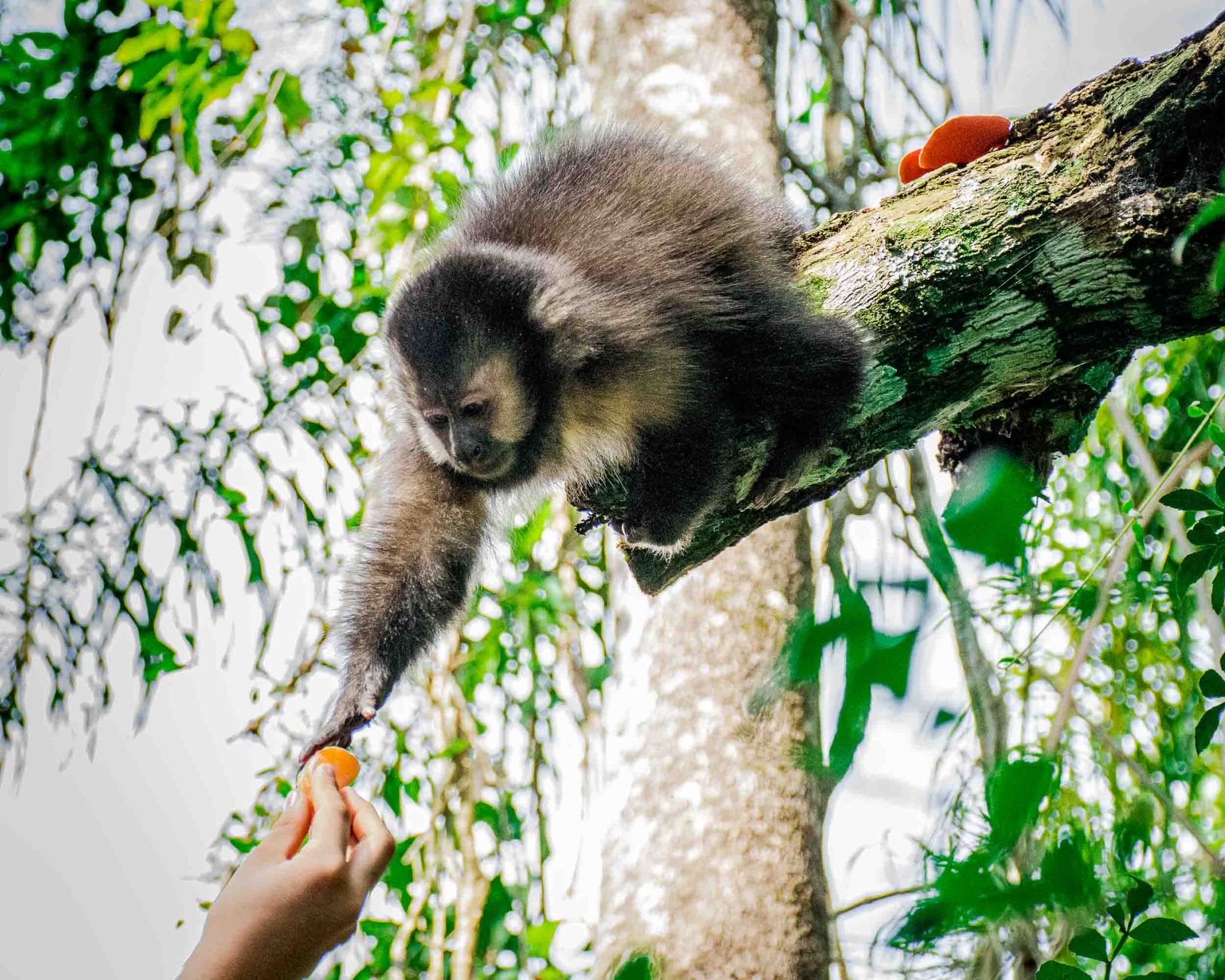
A performer at Changchun Zoological and Botanical Park (长春动植物公园), Wang Tiezhu (王铁柱), has become an overnight sensation after scolding visitors for repeatedly feeding a monkey the same local snack — a "snow cake" (雪饼). His thick Northeastern dialect and deadpan delivery hit a national nerve. It has been reported that Wang’s social account gained about 400,000 followers in a week and that his once-empty livestream room drew more than 100,000 viewers over four days; the nickname “Snow Cake Monkey” (雪饼猴) quickly trended on short-video platforms, reportedly reaching No.1 on one site’s hot search list.
Why it resonated
Why did a simple scolding and a local dialect clip land so widely? Partly because Wang’s viral clip revealed something deeper than a joke: a plain-spoken worker who, even when injured, insisted on performing and who shared an openly emotional regret about his late father. Those moments — vulnerability, grit, and a refusal to dramatize suffering — dovetail with what many young Chinese now seek: emotional authenticity and steady, unflashy moral anchors amid fast digital life. The story has been framed as an example of contemporary "heroism" — not the grand mythic kind, but the small, steadfast kind that survives the daily grind.
Broader cultural and policy context
The phenomenon also ties into a larger domestic trend: the repurposing of familiar national IPs and themed cultural tourism to meet rising demand for low-cost, high-empathy experiences. The park’s Journey to the West (86版《西游记》)–inspired performances are part of a broader push in China to boost cultural consumption and local tourism. It has been reported that the park, after securing official authorization, runs dozens of daily shows to tap into this demand. In an era where emotions are increasingly commodified, Wang’s popularity shows how digital platforms can amplify ordinary workers into symbols that soothe collective anxieties.
What it signals
This is not merely a moment of meme culture. It speaks to how youth culture in China is redefining admiration: the new heroes are relatable, imperfect, and emotionally available. As one park performer’s candidness met a thirsty online audience, the resulting sensation underscored a social shift — from spectacle to solace, from polished celebrity to the power of the everyday.