How to "rest efficiently" during working hours?
Lead: conserve energy, not time
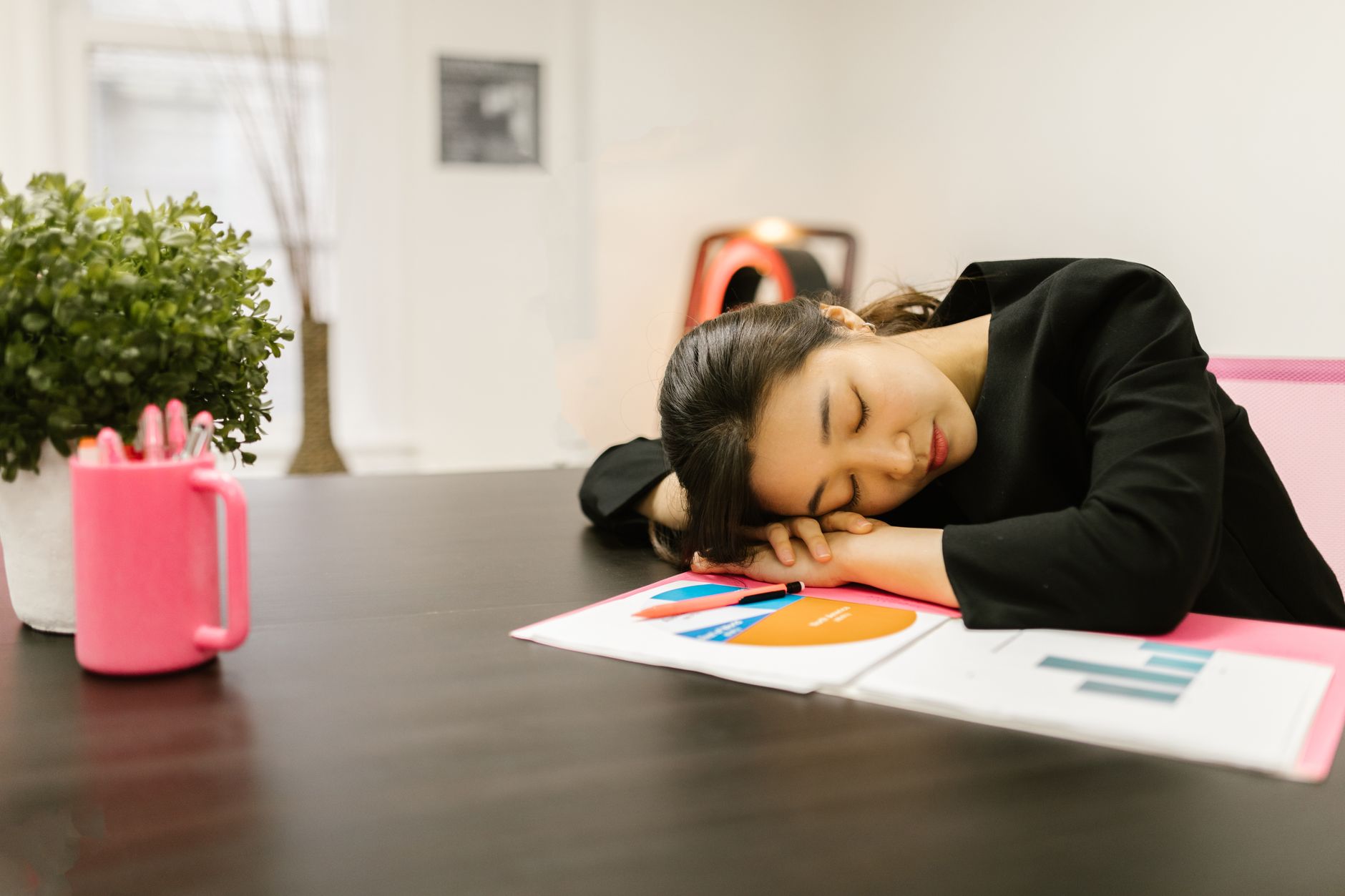
It has been reported by Huxiu that small, structured rests during the workday can reduce “residual fatigue” and leave employees feeling more energetic at the end of the day. How do you rest efficiently without looking like you’re slacking? The short answer: plan your pauses and vary their form so your brain and body can recover—not just procrastinate.
Why short rests matter
A 2016 UK survey of 1,989 office workers found average high-efficiency work time was just 2 hours 53 minutes a day. Research going back decades shows prolonged high-intensity work produces residual fatigue (Folkard & Monk, 1985), which creates a vicious cycle of depleted energy and lower-quality output. Recovery matters: studies (Sonnentag & Fritz, 2007) link regular in-day breaks to better psychological health, higher job satisfaction and sustained performance.
What to do: active and passive rest
The article draws on Alex Soojung‑Kim Pang’s distinction between active and passive rests. Active rests—stretching, short walks, quick exercises or brisk stair climbs—boost circulation and creativity. Passive rests—short meditation, breathing exercises or simply closing your eyes for a few minutes—let the nervous system downshift. Practical rhythms suggested include 60/10 or the Pomodoro-style 25/5. Avoid long doomscrolling sessions on Douyin (抖音) or other social media: they feel restful but rarely produce genuine recovery.
Practical fixes and cultural context
Simple environmental changes help: tidy your desk, add a plant, and when possible change scenery—even a 20‑minute walk in a park is reportedly restorative. Minimise task switching: each switch can cost about 20% of your effective time (Rubinstein, Meyer & Evans, 2001). In a culture where long hours and long commutes are common, these micro‑practices—plus self‑compassion and a focus on process over perfection—are low‑cost ways to protect attention and wellbeing while still getting work done.