The first batch of China’s “workhorses” embrace AI — boosting productivity and joking they’re “self‑funding” the commute
Frontline adoption, not boardroom experiments
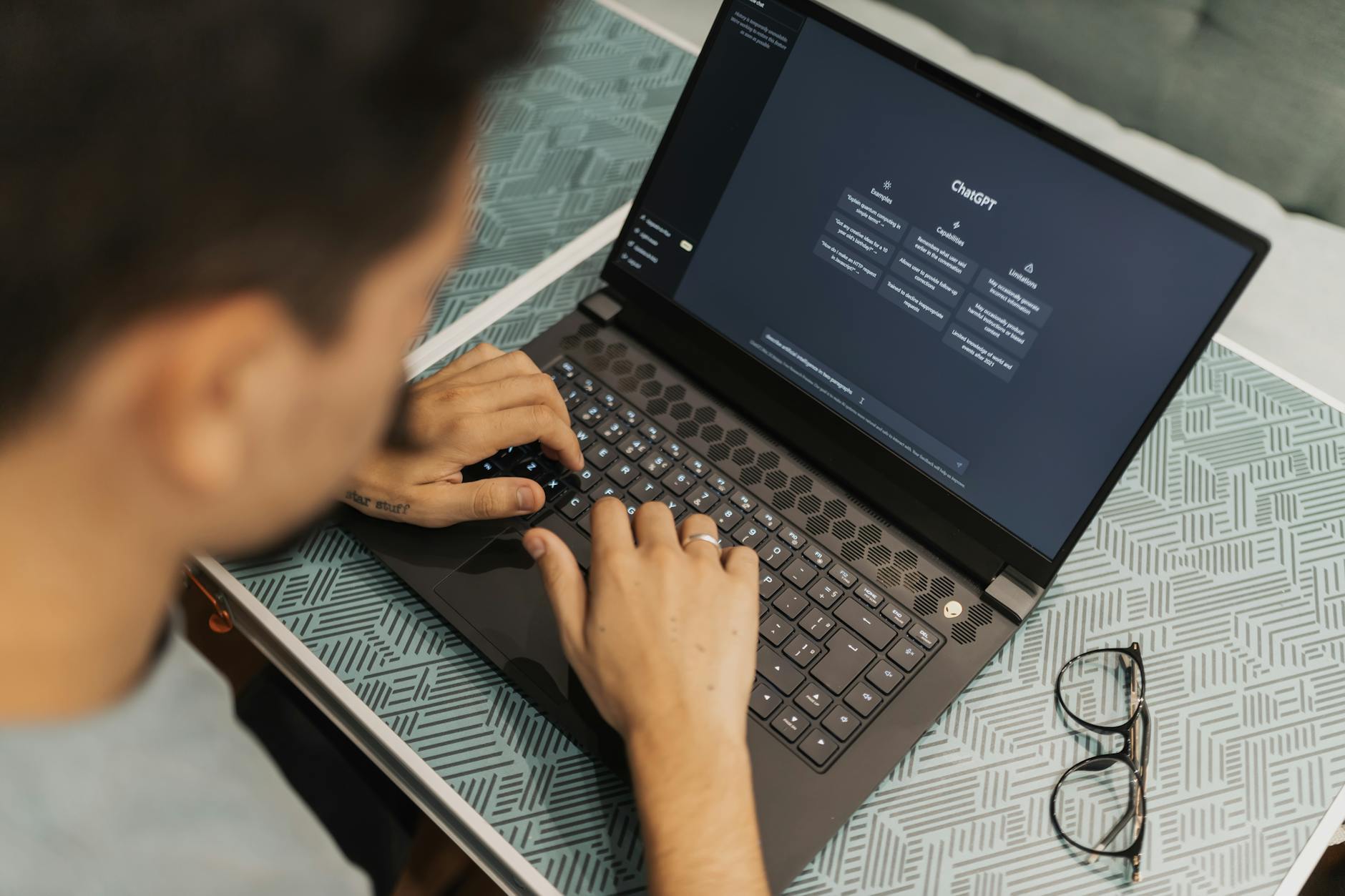
It has been reported that a growing number of ordinary office workers — the so‑called “workhorses” who keep companies and government offices running — are quietly adopting generative AI tools to speed through routine tasks. Reportedly they use AI to draft emails, summarize long meeting notes, clean up spreadsheets and churn out standard reports. The result: faster turnaround, fewer late nights and a Twitter‑like ripple of anecdotes about reclaimed time. And some workers have even joked that the time and small income gains from increased efficiency make their daily commute "self‑funding."
These users are typically not the headline‑grabbing AI researchers or startup founders. They are middle managers, HR staffers, project coordinators and civil‑service cadres who have begun integrating consumer and enterprise AI assistants into everyday workflows. It has been reported that these tools include both international models and a fast‑maturing domestic stack from companies such as Baidu (百度), Alibaba (阿里巴巴) and Tencent (腾讯), alongside specialized vendors in speech and office automation. For many, the appeal is pragmatic: obvious time savings on repetitive work, with little need for training.
Why this matters — productivity, policy and risk
Why should Western readers care? Because the spread of AI beyond research labs into routine office work changes the labour map. Faster document turns and automated routine analysis can raise productivity at scale. But there are tradeoffs: deskilling, new managerial surveillance possibilities, and questions about data leakage when internal documents are fed to third‑party models. This movement coincides with broader geopolitical currents — tight U.S. export controls on advanced AI chips and accelerating Chinese state support for a domestic AI ecosystem — which together shape what tools are available and how companies deploy them.
Reporters have noted that many of the stories about “self‑funding” commutes are anecdotal and celebratory. It has been reported that some workers exaggerate gains for comic effect. Still, the early adopters offer a bellwether: AI is no longer only a boardroom strategic play. It is now a day‑to‑day productivity tool for ordinary employees in China. The policy question ahead is clear: how will regulators, employers and vendors balance the efficiency benefits with privacy, security and labour‑market impacts as this first wave of “workhorses” scales up?