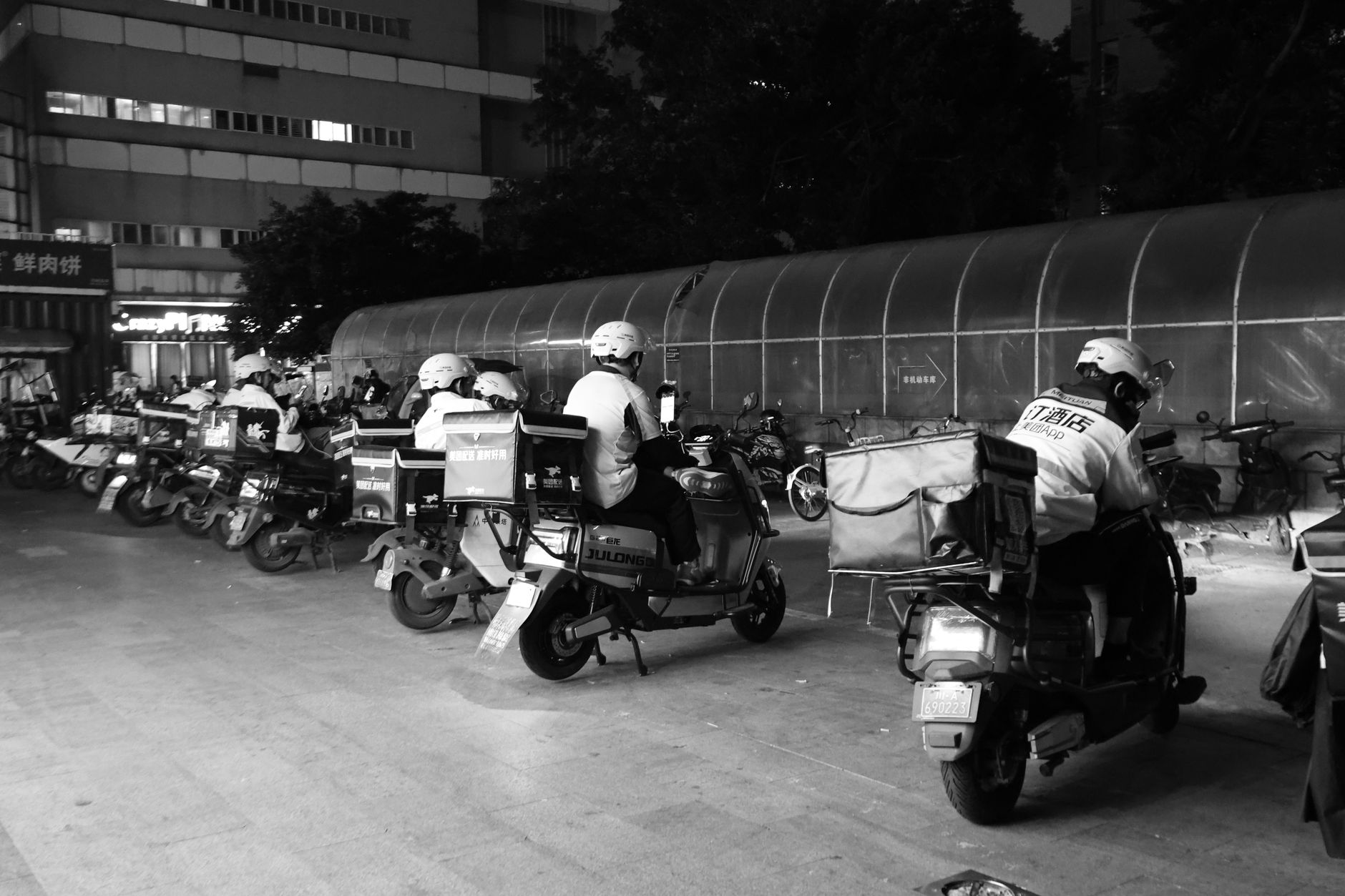
This Group of People in China Runs the Fastest
Riders and couriers keep China moving — and paying a heavy price
China’s delivery riders and couriers have built what is widely seen as the world’s most efficient urban logistics machine, ferrying food and parcels around the clock. But behind the speed are long hours, fragile pay and daily indignities. It has been reported that platform rules often place riders at the bottom of a four‑way "platform–merchant–rider–consumer" bargaining system: consumers supply the revenue and wages are squeezed; when things go wrong the penalty usually lands on the rider.
Rules, reputations and "street wisdom"
Reportedly, some logistics platforms’ systems will auto‑generate complaint tickets — even when a customer only asks “where is my package?” — and those tickets can trigger fines for couriers. The practical result: riders learn to stay silent, or to invent evasive workarounds. Experienced riders cultivate a “street wisdom” of shortcuts and heuristics — reading building names to guess elevator access, staging dramatic pre‑arrival injuries to avoid bad ratings, or publishing tactical guides on how to turn delivery into a near‑industrial operation. Who profits from this efficiency, and who pays the human cost?
Families, survival and public sympathy
The workforce is overwhelmingly male and often the primary breadwinner: reportedly roughly three‑quarters of riders and couriers come from rural backgrounds, many supporting elderly parents or children left in the countryside. Stories are stark — a father who fitted a child seat to his e‑bike and delivered with a toddler in his arms; another who climbed 17 flights of stairs with his child strapped on. Incidents of public abuse have occasionally provoked corporate outrage: it has been reported that Wang Wei, founder and CEO of SF Express (顺丰), vowed to pursue a case after one of his couriers was assaulted. As China’s logistics backbone becomes more central to global supply chains and export flows, these labour pressures are increasingly a domestic policy and reputational issue — and a reminder that speed has social as well as economic limits.