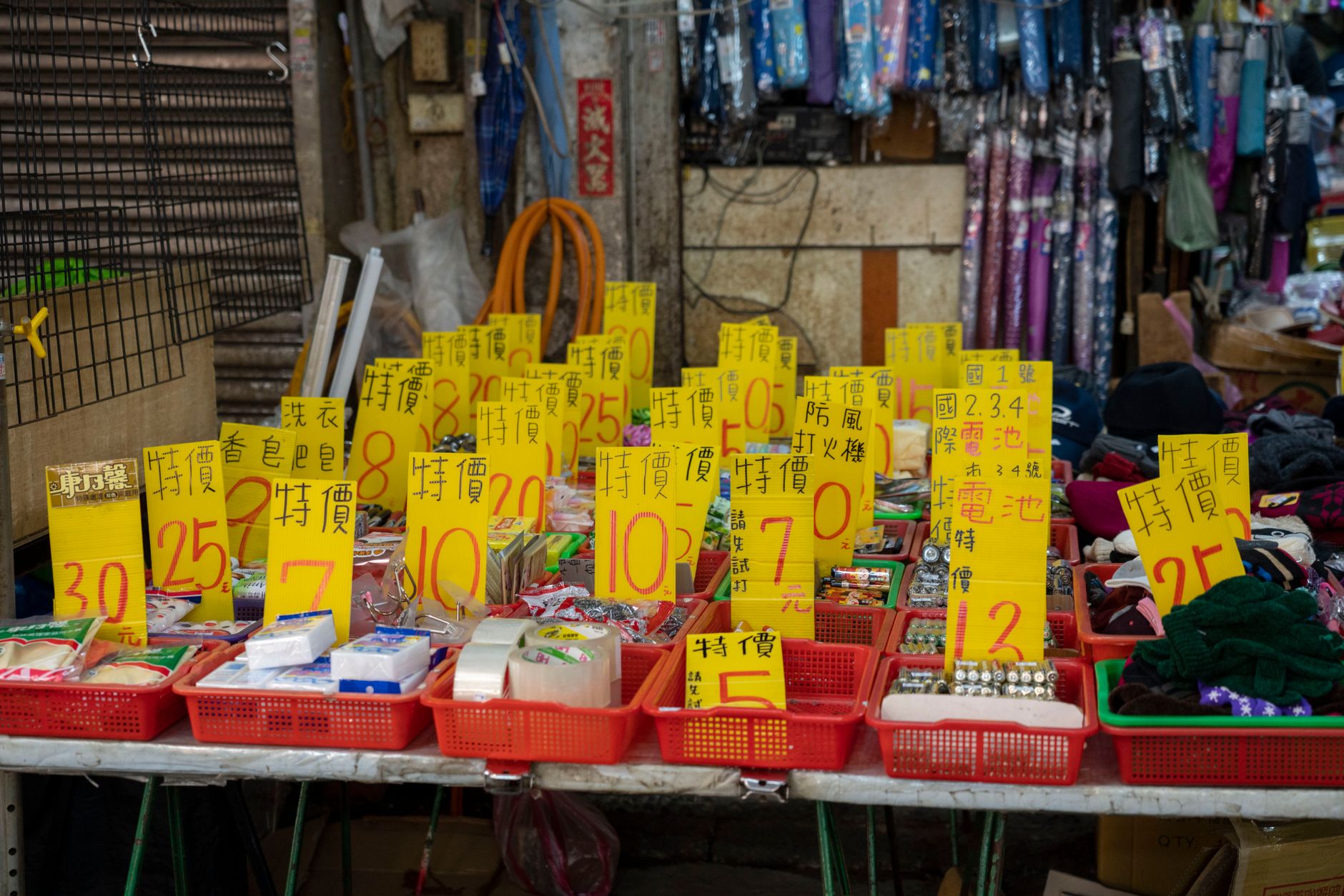
Who is hurt by the high prices in county hometowns?
The paradox on the ground
It has been reported that returning migrants are confronting sticker shock in their childhood county towns, where everyday goods and festival staples sometimes cost more than in Shanghai. Huxiu’s profile of a Shanghai product manager, Chen Mo (陈默), captures the shock: cherries, bottled water and imported chocolate priced at or above big‑city levels; luxury gift packs and baijiu that can swallow months of a local civil servant’s pay. Why does a place commonly imagined as “low‑cost” feel more expensive than a metropolis? The short answer: visible wealth concentrated among a few and powerful social expectations that push prices up.
The mechanics: who sets and who pays
County towns are not a monolith. There is a small but influential cohort — colloquially called “county Brahmins” (县城婆罗门) — made up of local cadres, teachers and public‑sector employees with stable benefits, low housing costs and outsized social capital. Reportedly, their consumption habits and the year‑end spending of returning urbanites reframe local demand curves; merchants respond by raising prices because low prices signal low status in a tight, familiar social network (熟人社会). Add to that seasonal demand spikes at Lunar New Year and deliberate price discrimination by shopkeepers, and you get a market where a handful of high spenders set the tone for everyone else.
Who loses and what it means
The losers are those with little buffer: county families paying for social obligations, younger workers without inheritances who must buy expensive gifts to keep face, and local low‑income households exposed to higher everyday costs. It has been reported that social media platforms like Weibo (微博) and Xiaohongshu (小红书) are full of comparisons and complaints — but online outrage doesn’t change structural incentives. The phenomenon is a mirror of China’s larger urban‑rural divides and housing policy distortions: when housing and risk are socialized for some but not others, consumption becomes a language of status rather than a simple reflection of income. The result is not just higher prices, but a cultural trap that channels limited incomes into signaling rather than savings or investment.