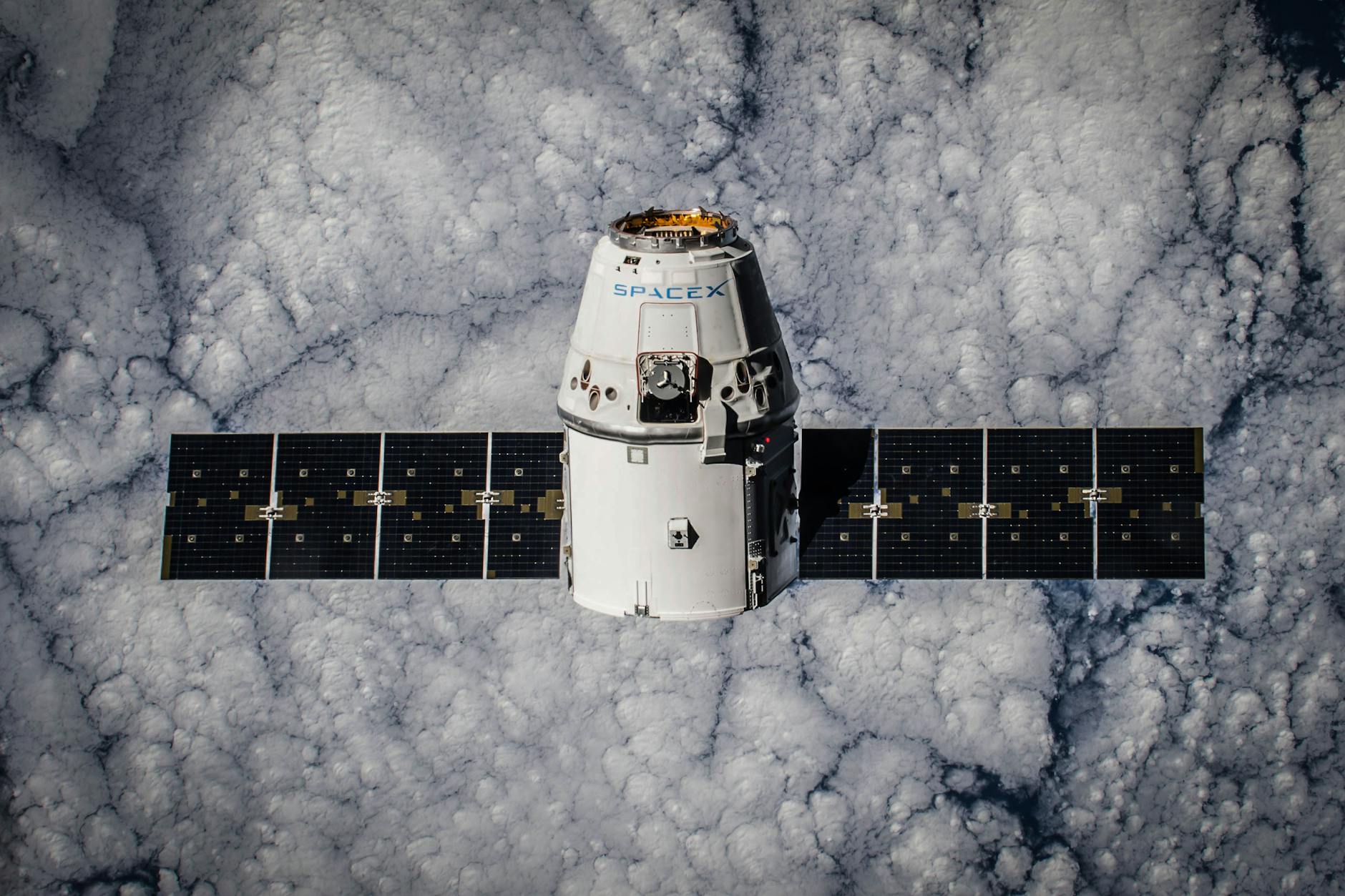
Musk Proposes Orbital Data Centres and Moon Factories to Power xAI
Bold vision, uneasy context
Elon Musk used a newly released all‑hands video to lay out an audacious plan to merge his AI unit xAI with SpaceX and move the firm’s compute infrastructure off Earth. The 45‑minute internal meeting — held Feb. 10 and posted publicly on X two days later — was the first since SpaceX reportedly completed a full acquisition of xAI; it has been reported that the combined entity was given a $1.25 trillion enterprise valuation with xAI worth about $250 billion. Musk also announced a strategic reorganization and up to 15% job cuts, targeted at non‑core roles such as data labeling and back‑office teams.
From Grok to Grok in orbit
Musk sketched a product and team roadmap that keeps Grok (xAI’s flagship assistant) and multimodal efforts like Imagine at the centre while expanding enterprise offerings (Coding, MacroHard). But the head‑turner was infrastructure: Musk described an ambitious program to launch a million purpose‑built AI satellites into Earth orbit using Starship to create a distributed “compute halo,” and to establish automated lunar factories that would manufacture satellite components from moon regolith. He acknowledged literary influences, saying part of the moon‑factory idea was inspired by Robert Heinlein’s The Moon Is a Harsh Mistress. It is reportedly Musk’s bet that space‑based solar power and vacuum cooling could dramatically lower per‑compute costs.
Market stress and internal churn
The pitch comes as xAI faces steep competitive and financial strains. According to Similarweb’s Global AI Tracker, Grok’s web share in the U.S. was about 3.4% in January 2026, while mobile metrics from Apptopia put Grok’s U.S. daily‑active share closer to 15–18%. It has been reported that xAI has burned very large sums — earlier media reports suggested monthly outlays approaching $1 billion — even as revenue forecasts remain far smaller. The company has also seen high‑profile departures: Tony Wu (吴宇怀), who led inference, and Jimmy Ba (吉米・巴), responsible for operations, both left after the merger, and half of the original twelve founders have stepped away or shifted roles, including Greg Yang (杨格).
Big questions remain
Musk argues integration with profitable SpaceX will solve cash‑flow problems and give xAI a compelling “cosmic” narrative for investors. But technological ambition collides with geopolitics and supply chains: building satellites with specialized AI chips and shipping mass hardware to orbit and the Moon would face export controls, component sourcing challenges and regulatory scrutiny across jurisdictions. Can a manufacturing, Starship‑driven mindset coexist with the exploratory, research‑intensive culture many AI engineers prize? Musk clearly believes so — but whether lunar factories and orbital data centres will rescue xAI’s market position, or simply magnify its burn, remains to be seen.