Why Huaqiangbei (华强北) Keeps Churning Out Hardware Innovation
The secret: density, speed and openness
Huaqiangbei (华强北) in Shenzhen (深圳) is less a market and more a living supply chain — a mash-up of stalls, small factories, repair shops and engineers that turns ideas into working hardware in days. Why does one neighborhood keep outpacing larger, better-funded R&D labs? The short answer: proximity. When designers, component sellers and contract assemblers share the same streets and tea shops, tacit knowledge passes faster than any specification sheet. Short feedback loops and low upfront cost mean experimentation is cheap. Fail fast, iterate faster.
How the ecosystem actually functions
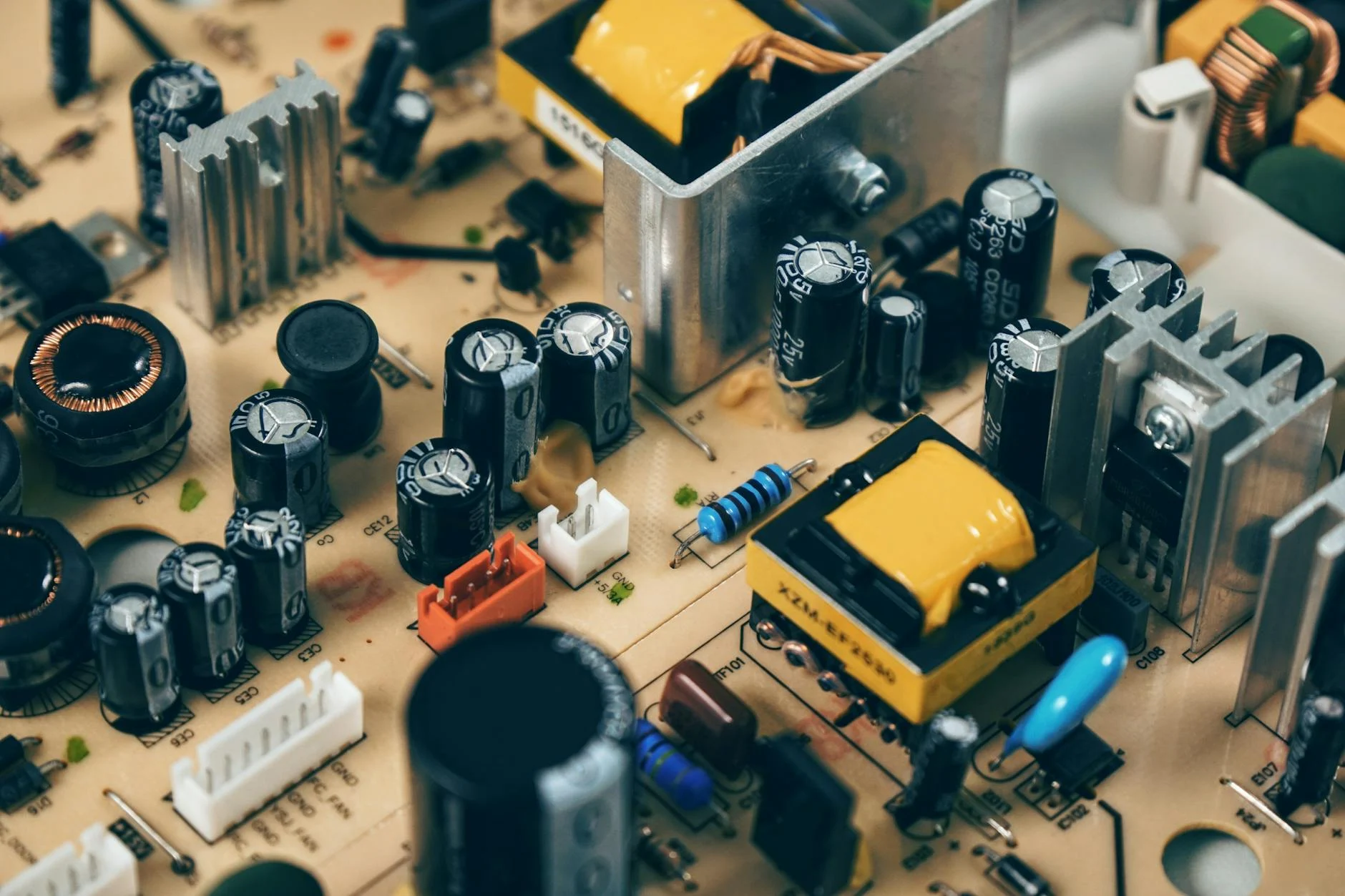
Stalls sell everything from connectors to custom PCBs. Repair shops cannibalize and recombine parts. Small assembly lines can scale a prototype to hundreds within a week. Face-to-face bargaining reduces transaction costs and allows real-time design changes that online supply chains struggle to match. There is also a strong culture of reuse and reverse engineering: older devices feed component pools and design templates, while local engineers — some formally trained, many self-taught — close the loop between concept and manufacturable product. The result is an extremely agile micro-manufacturing engine that thrives on information density, not on textbook R&D processes.
Geopolitics, e‑commerce and the outlook
Huaqiangbei’s model isn’t immune to change. E-commerce and platformization have pushed many buyers online, and it has been reported that U.S. export controls and wider tech decoupling are forcing Chinese suppliers to source or develop domestic alternatives for critical chips. How will Huaqiangbei respond? Historically, it adapts by reconfiguring supply chains and leaning harder on human networks — exactly the advantage that automated, geographically dispersed supply chains lack. For Western engineers and policymakers trying to understand China’s hardware edge, the lesson is simple: resilience can come from density and improvisation as much as from scale and capital.