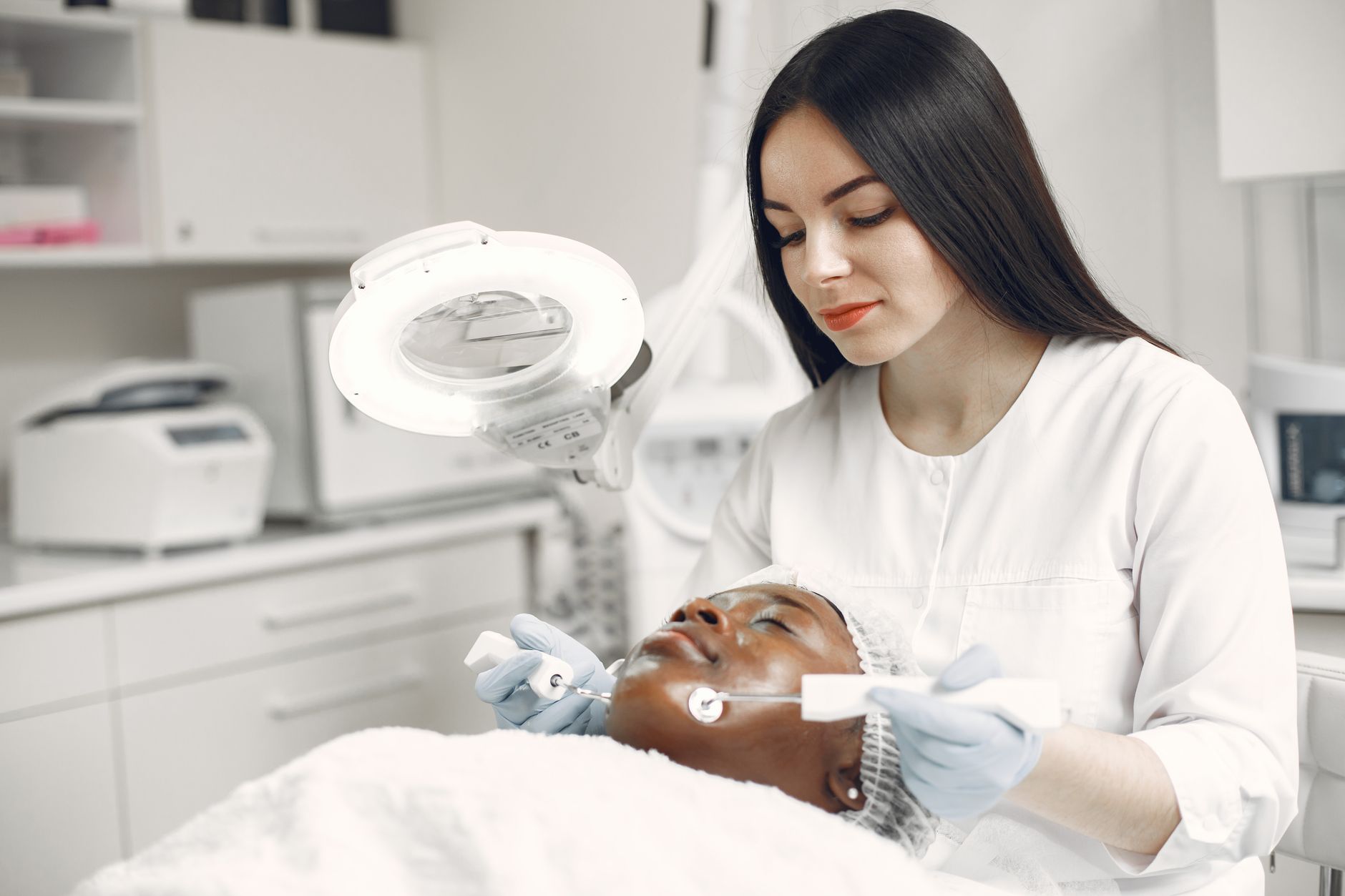
DERM-3R: a resource-efficient multimodal agents framework for dermatologic care, debuted on arXiv
DERM-3R, a new framework announced on arXiv (arXiv:2604.09596), proposes a resource‑efficient multimodal agents approach to dermatologic diagnosis and treatment in real‑world clinical settings. The paper frames dermatologic disease as a growing global burden and argues that current single‑target therapies and episodic care often miss systemic comorbidities and long‑term outcomes. The authors position DERM-3R as an attempt to bridge that gap by combining multimodal inputs with a focus on computational and deployment efficiency.
What the paper claims
According to the abstract, DERM-3R is built for real‑world clinical constraints: lower compute budgets, heterogeneous data sources, and the need to deliver both diagnostic suggestions and longitudinal treatment guidance. The manuscript reportedly emphasizes multimodal fusion — combining visual inputs (skin photographs) with clinical metadata — and agent‑style components that can propose sequences of diagnostic and therapeutic actions rather than single labels. The document is currently available as a new arXiv submission and, as with all preprints, awaits peer review and clinical validation.
Why this matters — and the wider context
Resource efficiency is not just a technical preference. It matters for deployment in community clinics, under‑resourced hospitals, and regions with limited access to high‑end GPUs. It also intersects with geopolitics: it has been reported that export controls and tighter access to advanced chips have encouraged research into efficient AI methods in China and elsewhere. Meanwhile, any AI system that proposes treatments faces regulatory, safety and liability hurdles — from data provenance and bias to clinical trials and oversight by regulators at home and abroad.
DERM-3R joins a fast‑moving field at the intersection of AI and medicine. The paper’s availability on arXiv and the broader openness promoted by initiatives like arXivLabs make rapid technical scrutiny possible, but real‑world impact will depend on rigorous validation, regulatory approval, and careful integration into clinical workflows. Can an efficient multimodal agent improve outcomes without compromising safety? That question remains to be answered.