New arXiv preprint proposes aggregation operators to boost dental-record identification
What the paper claims
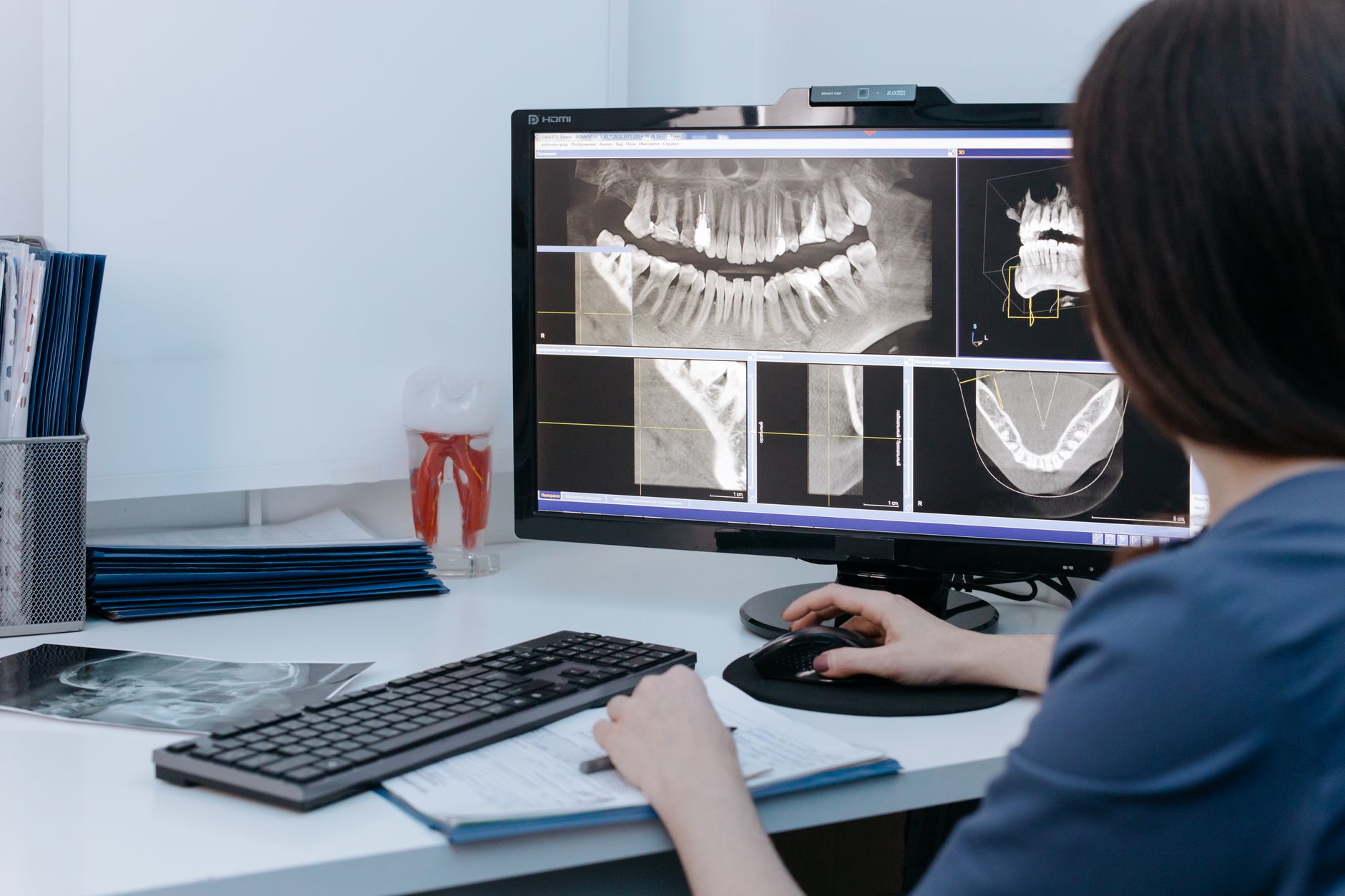
A new preprint on arXiv (arXiv:2603.23003, https://arxiv.org/abs/2603.23003) argues that applying aggregation operators to odontogram comparisons can improve automated human identification from dental records. The paper frames odontogram matching as a multiple-comparison ranking problem — a common task in forensic dentistry where dental charts are compared en masse to narrow down candidate identities. The authors propose a formal way to combine multiple criteria through aggregation operators and reportedly show improved ranking performance over simpler, state-of-the-art methods.
Why this matters
Forensic odontology is a routine but crucial tool in mass-casualty events, unidentified-decedent investigations and missing-persons work. Automated, more accurate ranking can accelerate identifications when time and human expertise are limited. For readers unfamiliar with the field: odontograms are standardized dental charts that encode fillings, extractions and other dental features; matching them across databases is a structured, rule-driven problem—ripe for algorithmic enhancement. How much better does the method perform in real-world settings? That remains to be validated beyond the preprint.
Caveats, ethics and geopolitical context
This is a preprint and not yet peer reviewed; it has been reported that the authors observe performance gains, but independent validation is required before forensic labs adopt the technique. There are also non-technical considerations. Dental-identification tools intersect with privacy, data protection and chain-of-custody rules; cross-border use raises additional legal and ethical questions. Biometric and forensic technologies in general have been subject to export controls, sanctions and regulatory scrutiny in multiple jurisdictions — factors that can shape deployment and international collaboration.
Next steps
The paper lays out a mathematical and experimental roadmap; the key test will be replication on diverse, real-world dental datasets and compliance with forensic standards. Will coroners and forensic labs take up aggregation-operator–based matching? That depends on demonstrated reliability, legal defensibility and careful handling of sensitive health data. For now, the preprint adds a promising idea to the toolkit; the work to translate it into practice remains to be done.