GE Healthcare (GE医疗) signs framework with Alibaba Damo Academy (阿里巴巴达摩院) to pilot “one‑scan multi‑diagnosis” medical AI
Deal outline
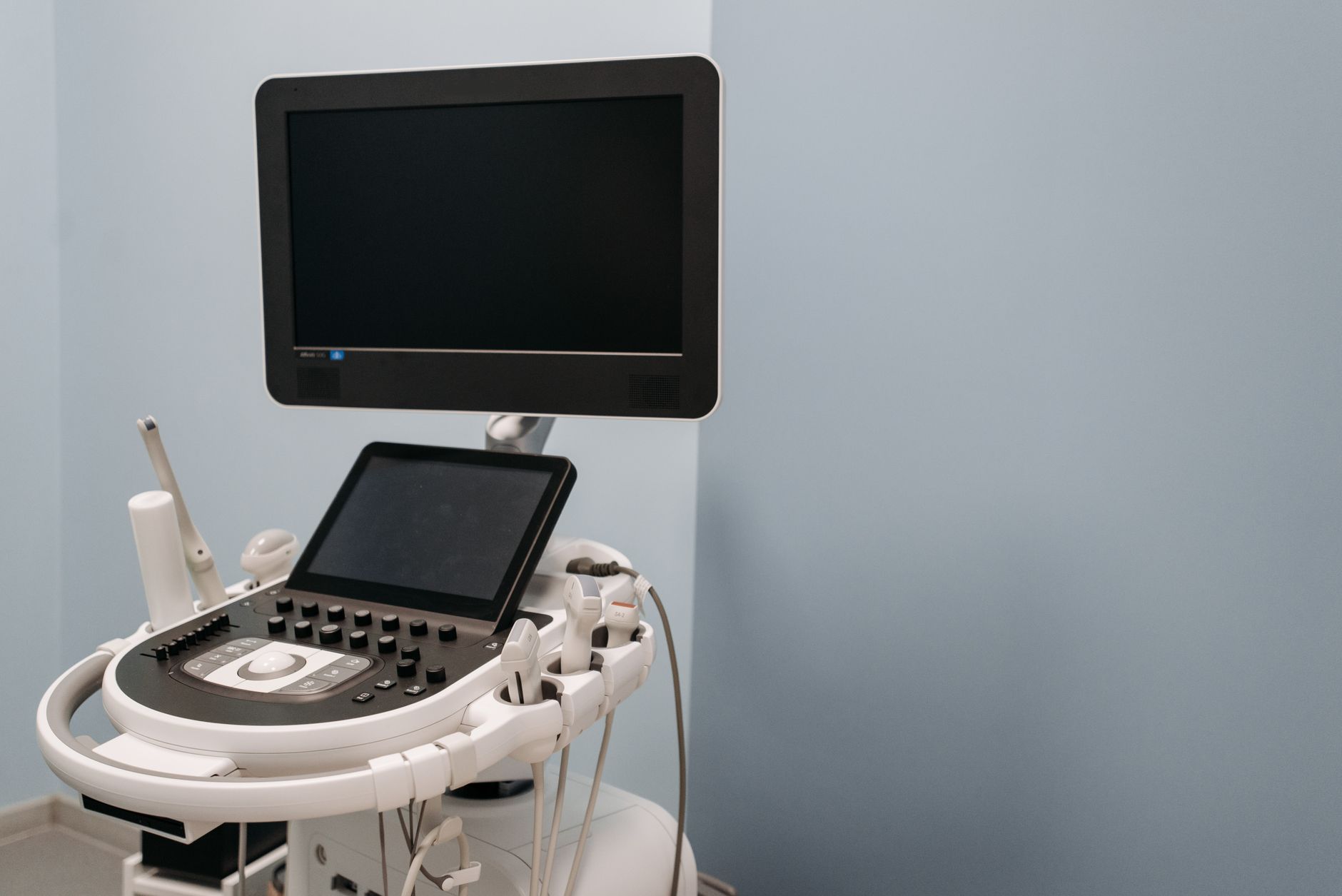
GE Healthcare (GE医疗) and Alibaba Damo Academy (阿里巴巴达摩院) signed a framework cooperation letter at the 8th China International Import Expo in Shanghai on November 6, it has been reported that. The two parties intend to adapt Damo’s proprietary “一扫多查” (one‑scan multi‑diagnosis) medical AI into GE’s next‑generation imaging hardware, aiming to deliver integrated software‑and‑hardware intelligent precision diagnostic packages and speed up commercial deployment.
What “one‑scan multi‑diagnosis” means
“One‑scan multi‑diagnosis” refers to AI models that extract multiple diagnostic findings from a single imaging acquisition—reducing repeat scans and consolidating workflows. For clinicians this promises faster reads and broader screening from the same data set. It has been reported that the partners will work on embedding the algorithms directly into GE’s imaging platforms so that inference can run closer to the point of care rather than in distant clouds.
Commercial and regulatory pathway
The agreement is framed as a collaboration and not a purchase order; details on pilots, timelines and revenue sharing were not disclosed. Clinical validation and device registration will be required before wide use in hospitals: in China, for example, the National Medical Products Administration (NMPA) oversees approvals for AI‑enabled diagnostic devices. Will hospitals adopt AI‑driven single‑scan workflows? Adoption will hinge on demonstrated accuracy, workflow benefits and regulatory clearance.
Geopolitical backdrop
This deal arrives amid intensified US‑China technology tensions and tighter export controls on advanced chips and equipment. Cross‑border health‑tech partnerships are under greater scrutiny, and it has been reported that both sides will need to navigate supply‑chain constraints and compliance requirements as they deploy integrated solutions. For Western readers: collaborations like this show how Chinese AI labs and global device makers are exploring practical pathways to bring AI into routine clinical care despite geopolitical headwinds.